产学研联合

Search documents
让创新“后浪”更澎湃
Jing Ji Ri Bao· 2025-11-20 22:12
Group 1 - The core viewpoint emphasizes the need for a closer integration of education, technology, and talent development in China, as outlined in the 15th Five-Year Plan [1] - From 2022 to 2024, China's innovation talent development index is projected to grow at an average annual rate of 16.20%, indicating a steady increase in the scale of innovative talent [1] - Beijing has established a multi-tiered selection system for high-level talent, having trained over 3,000 high-level professionals in fields such as artificial intelligence and biomedicine [1] Group 2 - There is a significant gap in the alignment between higher education and industry needs, with outdated professional settings and curriculum systems leading to a mismatch in talent supply [2] - The concentration of quality educational resources in certain regions exacerbates the difficulty for central and western regions in attracting and cultivating innovative talent [2] - Companies are encouraged to increase R&D investment and collaborate with educational institutions to create a seamless connection between talent training and industry demands [2]
工业园区高质量发展指引发布
Zheng Quan Ri Bao· 2025-09-24 08:38
Core Viewpoint - The "Guidelines for High-Quality Development of Industrial Parks" have been jointly issued by the Ministry of Industry and Information Technology and the National Development and Reform Commission, aiming to support the transition of industrial parks from rapid quantitative growth to effective qualitative improvement, thereby facilitating new industrialization and the development of new productive forces [1]. Group 1: Development Directions - Strengthening characteristic advantageous industries by promoting the transformation and upgrading of traditional industries and cultivating new growth drivers, with a focus on avoiding homogeneous competition and limiting the number of leading industries to no more than three [2]. - Improving park spatial governance through land-intensive utilization and optimizing spatial layout, exploring long-term leasing and "industrial building up" methods to expand development space [2]. - Enhancing the main body of park enterprises by supporting leading enterprises to play a guiding role and promoting small and medium-sized enterprises to refine their niche areas and integrate into the supply chain of leading enterprises [2]. Group 2: Innovation and Technology - Elevating industrial technological innovation capabilities by encouraging the establishment of national technology innovation centers and deepening innovation cooperation with national high-tech zones and economic development zones [2]. - Promoting deep integration of digital technologies by strengthening the construction and application of new information infrastructure and exploring the establishment of high-standard digital parks [2]. Group 3: Green and Safe Development - Encouraging enterprises to pursue green and low-carbon development, establishing green industrial parks and zero-carbon parks, and reinforcing production safety guarantees [2]. Group 4: Open Cooperation - Enhancing cross-park collaboration and promoting cross-border cooperation in industries and technologies [2]. Group 5: Enterprise Cultivation - Establishing a gradient cultivation mechanism for enterprises within industrial parks, creating a cultivation database to provide targeted support and guidance [5][6]. - Supporting the development of leading enterprises to become ecologically dominant and internationally competitive, while fostering a batch of technology and innovation-oriented small and medium-sized enterprises [5][6]. Group 6: Supply Chain Integration - Promoting the integration of large and small enterprises by encouraging leading enterprises to issue technology innovation demands and product procurement plans to small and medium-sized enterprises [6][7]. - Establishing supply chain matching platforms and hosting regular supply-demand matching events to facilitate collaboration between small and medium-sized enterprises and leading enterprises [7].
乐凯彩色胶卷回归 受年轻人追捧
Zhong Guo Qing Nian Bao· 2025-07-19 05:22
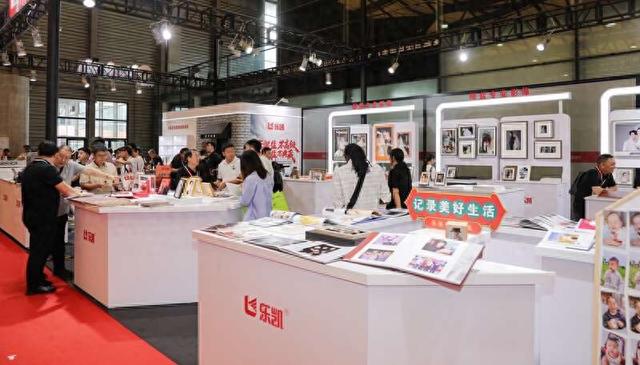
Core Viewpoint - The return of Lucky Color Film, a historic Chinese brand, marks a significant revival in the domestic film industry after a 13-year hiatus, driven by technological advancements and a desire for unique photographic experiences among younger generations [1][3]. Company Overview - Lucky Film, once a leader in China's photographic film industry, ceased production of color film in 2012 due to the rise of digital imaging [3]. - The company has now reintroduced the C200 color film, which is the result of 18 months of collaboration between its technical team and domestic universities, focusing on the complete localization of over 110 key chemical materials [5]. Technological Advancements - The reintroduced C200 film features breakthroughs in core technologies such as nano-coating and environmentally friendly development processes, achieving performance levels comparable to international counterparts [5]. - The revival is described as a "re-invention" of domestically produced color film rather than a mere nostalgia-driven return [3]. Market Reception - The launch event at the Shanghai International Photography Equipment Exhibition attracted significant interest, with long queues for hands-on experiences in film processing, indicating a strong demand for traditional film photography [5]. - Online sales platforms like JD.com and Tmall reported high engagement from photography enthusiasts, showcasing a growing trend among younger consumers seeking unique and personalized photographic experiences [5].