人均存款

Search documents
人均存款11.89万元!多个经济大省公布金融数据,居民存款结构有哪些变化?
Xin Lang Cai Jing· 2026-01-23 01:08
Core Insights - The central theme of the news is the significant increase in household deposits and the rising proportion of fixed-term deposits in China, as reported by the central bank and various local financial institutions for the year 2025 [1][2][5]. Group 1: Financial Statistics - As of the end of December 2025, the total balance of domestic and foreign currency deposits reached 336.14 trillion yuan, marking a 9% year-on-year increase [2][5]. - The balance of household deposits stood at 167.04 trillion yuan, reflecting a year-on-year growth of 9.71% [2][5]. - The average per capita deposit for the national population, estimated at 1.40489 billion, is approximately 118,900 yuan [2][5]. Group 2: Deposit Structure - The proportion of fixed-term deposits has reached a record high of 73.3%, an increase of 0.8 percentage points from the previous year [2][3]. - In various provinces, fixed-term deposits account for over 70% of total deposits, with Hebei showing the highest at 80.68% [3][5]. - The structure of household deposits indicates a shift towards fixed-term savings, with the "fixed vs. current" ratio entering a "70-30" era [2][3]. Group 3: Regional Insights - Zhejiang province leads with the highest per capita deposit of 177,700 yuan, with a total deposit balance of 24.63 trillion yuan [5][6]. - Jiangsu province reported the largest increase in household deposits, with a year-on-year growth of 11.48%, bringing the total to 13.3 trillion yuan [7]. - Guangdong province has the highest total deposit balance at 38.7 trillion yuan, with a per capita deposit of approximately 118,300 yuan [6][9].
2025年广东人均存款约11.83万元
2 1 Shi Ji Jing Ji Bao Dao· 2026-01-22 04:27
Core Insights - The central bank data indicates that by the end of December 2025, the total household deposits in both domestic and foreign currencies will reach 167 trillion yuan, reflecting a year-on-year growth of 9.71% [1] - The per capita deposit in China is estimated to be 118,900 yuan based on a total population of 1,404.89 million [1] Group 1: Regional Analysis - In Guangdong province, with a permanent resident population of 127.8 million, the per capita deposit for 2025 is projected to be 118,300 yuan, which is in line with the national average [1] - This represents an increase of 10,100 yuan compared to the per capita deposit of 108,200 yuan at the end of 2024 [1] Group 2: Consumer Spending - In 2025, the per capita consumption expenditure for residents in Guangdong is expected to be 37,262 yuan, showing a year-on-year increase of 4.0% [1] - Urban residents are projected to have a per capita consumption expenditure of 42,726 yuan, with a growth of 4.1%, while rural residents are expected to spend 23,743 yuan, reflecting a 3.0% increase [1]
别再被“人均存款”误导!普通家庭的健康负债率其实是这个数
Sou Hu Cai Jing· 2026-01-13 01:47
Core Viewpoint - The article emphasizes that average deposit figures can be misleading and do not accurately reflect the financial health of ordinary households, urging a focus on personal financial metrics instead [1][3]. Group 1: Average Deposits and Financial Reality - The average deposit per capita in China is projected to exceed 280 trillion yuan by 2025, leading to misleading averages due to the significant proportion of corporate deposits, which account for over 50% of total deposits [3]. - Wealth distribution is highly uneven, with a small number of high-income individuals inflating the average deposit figures, which can misrepresent the financial situation of the majority [3]. Group 2: Key Financial Metrics - The article highlights the importance of understanding the "macro asset-liability ratio," which is the ratio of liabilities to assets, with a healthy debt ratio recommended to be below 50%, ideally between 30% and 40% [3][4]. - It clarifies that assets should be calculated as "net worth," meaning only the net value of properties should be considered, while liabilities should only include fixed debts like mortgages and car loans [3][4]. Group 3: Debt Management - The "debt repayment ratio," defined as the monthly debt repayment amount relative to after-tax income, should ideally be 40% or less to be considered healthy [4]. - As of 2025, the household debt ratio in China has reached 66.4%, a significant increase of 27 percentage points since 2015, with over 40% of households exceeding the 50% warning threshold primarily due to high mortgage debt [4][5]. Group 4: Financial Safety Recommendations - Households are advised to prioritize paying off high-interest debts, such as consumer loans and credit card installments, and to maintain an emergency fund equivalent to 3-6 months of expenses [5]. - The article concludes that financial security for ordinary families is not about having the highest deposits but rather about maintaining a healthy debt structure and ensuring adequate emergency savings [5].

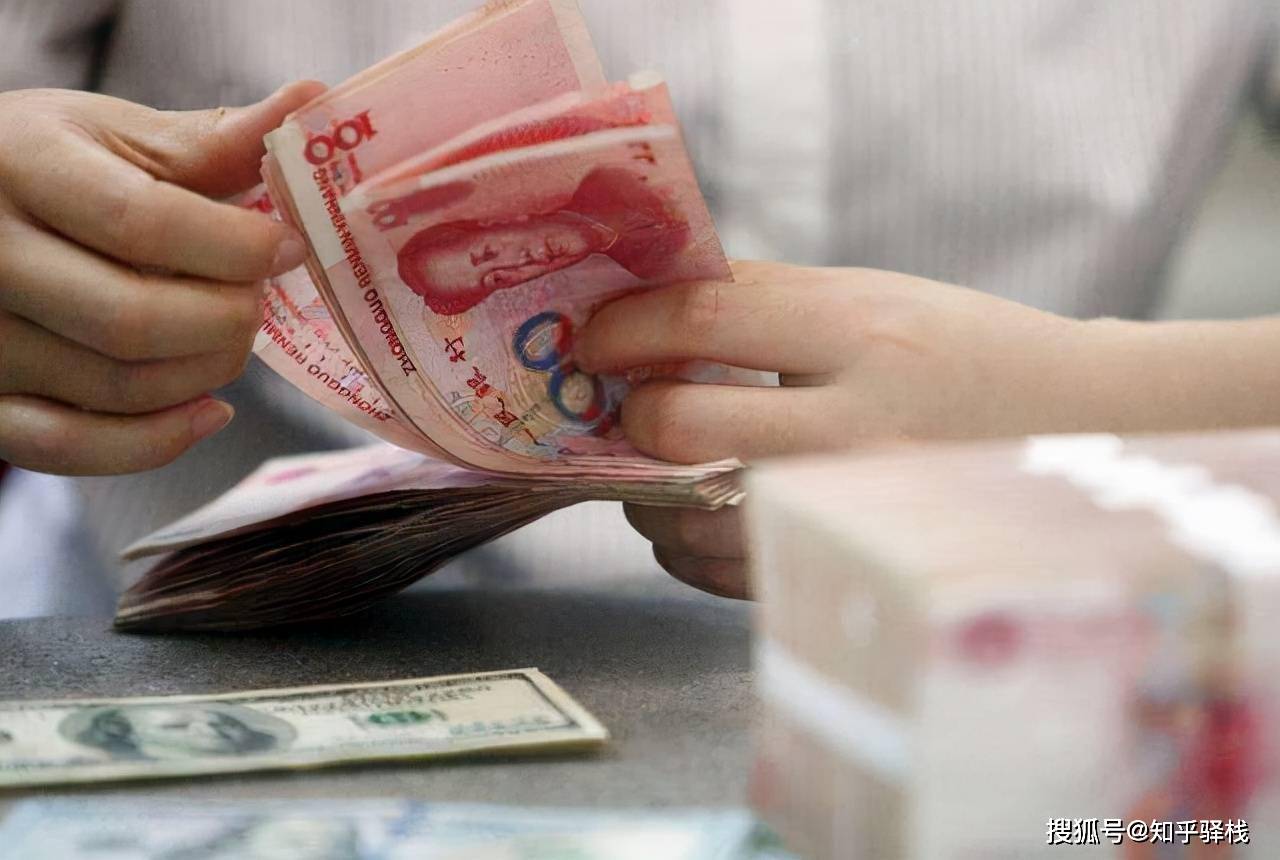
人均存款出炉!家庭存款“达标表”公布,你处于哪个阶层?
Sou Hu Cai Jing· 2025-10-22 04:58
Core Insights - The average household savings in China is reported to be close to 150,000 yuan, but this figure can be misleading due to significant disparities in wealth distribution among different households [1][3] - The article emphasizes the importance of understanding personal financial needs rather than comparing oneself to the average savings figure [4] Group 1: Understanding Average Savings - The term "average savings" includes all age groups, many of whom do not contribute to savings, leading to a skewed perception of financial health [3] - The distribution of savings is highly unequal, with the top 20% of savers holding approximately 60% of total household savings [3] Group 2: Household Savings Standards - Households are categorized into four tiers based on savings and financial stability: 1. **Basic Reserve Tier**: Savings of 50,000 to 150,000 yuan, primarily for emergencies [5] 2. **Stable Middle Class Tier**: Savings of 150,000 to 500,000 yuan, allowing for some discretionary spending and low-risk investments [6] 3. **Middle-Class Threshold Tier**: Savings of 500,000 to 1,000,000 yuan, enabling risk management and asset allocation [7] 4. **Affluent Comfort Tier**: Savings exceeding 1,000,000 yuan, focusing on diversified investments and quality of life [8] Group 3: Savings Habits and Financial Planning - Key habits influencing savings include prioritizing savings before spending, distinguishing between needs and wants, and managing debt effectively [9][10][11] - The average disposable income in China is reported to be 39,000 yuan annually, highlighting that many individuals have similar income levels, making savings habits crucial for financial health [12] Group 4: Tailored Savings Recommendations - For households with savings below 50,000 yuan, the focus should be on building an emergency fund before considering investments [13] - Households in the stable middle-class tier should allocate savings into emergency funds, stable investments, and flexible short-term savings [14] - Middle-class households should diversify their savings into various investment types to balance risk and returns [15] - Affluent households should adopt a flexible investment strategy, ensuring a mix of low, medium, and high-risk investments while enjoying life [16]

我国存款总额227万亿,居全球首位,人均存款出炉,你达标了吗?
Sou Hu Cai Jing· 2025-06-22 05:04
Core Insights - China's household savings rate remains significantly higher than the international average, driven by a cultural perception of savings as a crucial safety net, especially after the pandemic [1] - As of June, total household deposits reached an astonishing 132.21 trillion yuan, averaging 94,000 yuan per person, but this average masks the reality of wealth distribution [1][3] - The wealth distribution is highly skewed, with only 2% of the population holding 80% of the savings, indicating that the average savings figure does not accurately reflect the financial situation of the majority [3] - Many households face financial pressures due to low incomes and high living costs, making it difficult to save, with many families struggling to accumulate even 100,000 yuan [3][4] - The younger generation's tendency towards overspending has exacerbated the savings issue, with nearly 90% of those born in the 1990s being in debt, averaging 127,000 yuan in liabilities [4] - High housing prices have created significant financial burdens for many families, with a total residential mortgage scale of nearly 39 trillion yuan, leading to minimal savings for those heavily indebted [5]