
人工智能军事化

Search documents
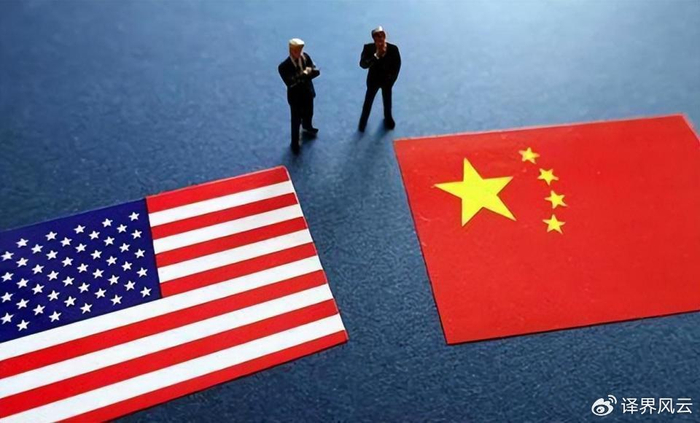
35国签署、50国未签,中美代表缺席,马斯克发声谈AI竞争
Xin Lang Cai Jing· 2026-02-08 02:36
Core Viewpoint - The absence of the US and China at a recent AI governance meeting highlights the reluctance of major powers to commit to regulations that may limit their technological and military advancements [1][10][19] Group 1: AI Governance and International Cooperation - 85 countries participated in the meeting, but only 35 were willing to sign the document, indicating a lack of unified stance among nations [1] - The proposed principles emphasized human decision-making, risk assessment, and accountability, but the real disagreement lies in the implications of signing the document [4][6] - Countries are hesitant to accept rules that may slow down their technological development or impose external scrutiny on military applications of AI [4][7] Group 2: US Position on AI Regulations - The US is unwilling to be constrained by any frameworks in emerging technology fields, particularly in military AI, to maintain its strategic advantage [7][9] - The US has a history of withdrawing from or diminishing its role in multilateral agreements to avoid institutional limitations on its capabilities [7] Group 3: China's Perspective on AI Governance - China's decision not to sign reflects its recognition of the need for governance while emphasizing that its approach must be based on its own circumstances [10] - The Chinese stance is influenced by the current technological landscape, security environment, and its defense modernization efforts [10] Group 4: Implications of Technological Competition - Elon Musk's warnings about the need for breakthroughs in AI and related fields suggest a growing urgency for the US to maintain its competitive edge [13][15] - The discourse around AI governance is not merely about ethical considerations but is fundamentally a struggle for future dominance in technology [16][19] Group 5: Future of AI Regulations - The absence of consensus among major powers indicates that rules will likely emerge only after a rebalancing of power dynamics [19] - The current phase of rapid technological advancement is characterized by competition rather than cooperation, complicating the establishment of effective governance [18][19]

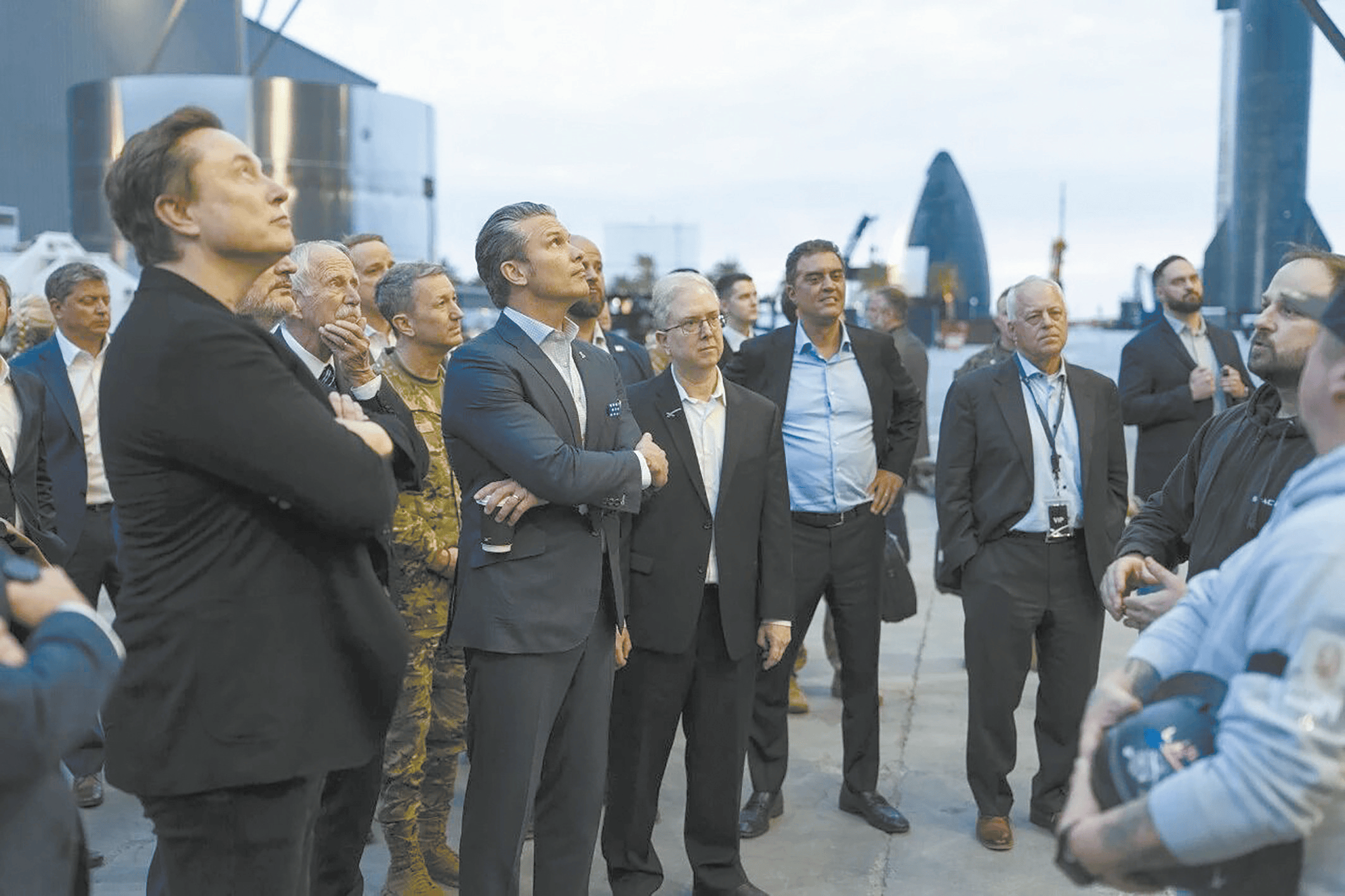
学习“马斯克模式”,加速AI军事化,美防长访问“星舰基地”透露多重信息
Sou Hu Cai Jing· 2026-01-14 22:58
Core Viewpoint - The U.S. Defense Secretary Lloyd Austin announced a significant restructuring of the military's technology procurement system, emphasizing an "AI-first" transformation plan aimed at accelerating innovation and adapting to modern threats [3][4]. Group 1: Defense Spending and Contractor Regulations - President Trump proposed increasing U.S. defense spending to a record $1.5 trillion by 2027 and called for a halt on dividends and stock buybacks by defense contractors until they expedite weapon production [1]. - The Defense Secretary's visit to SpaceX's Starbase highlighted dissatisfaction with traditional defense contractors and a push for reform in the Pentagon's technology system [1][5]. Group 2: Technology Procurement Restructuring - The restructuring aims to create a unified innovation ecosystem around six executing agencies under the leadership of the Pentagon's Chief Technology Officer [4]. - The new framework will dissolve several existing organizations, including the Defense Innovation Board, to streamline operations and enhance efficiency [4]. Group 3: Emphasis on AI and Innovation - The Defense Secretary criticized the outdated practices of traditional defense contractors, stating that the military cannot afford to wait years for next-generation weapon systems that are often delayed and over budget [3][4]. - He advocated for adopting SpaceX's rapid prototyping and iterative failure approach as a new blueprint for the Pentagon [3]. Group 4: SpaceX and Military Collaboration - The choice of SpaceX's Starbase for the announcement reflects a growing inclination towards Silicon Valley-style innovation within the Department of Defense [6]. - The U.S. Space Force awarded a $739 million launch contract to SpaceX for deploying advanced satellites, indicating a deepening collaboration between the military and private aerospace companies [7]. Group 5: AI Integration in Defense - The Pentagon plans to integrate Musk's AI chatbot Grok into its network, alongside Google's AI model Gemini, to enhance data analysis capabilities [8]. - The Defense Secretary emphasized the need to remove barriers to AI deployment within the military, aiming to leverage vast data resources for operational advantages [8][9].
军工AI的两种范式:Palantir和Anduril
GOLDEN SUN SECURITIES· 2025-07-27 12:52
Investment Rating - The report maintains an "Increase" rating for the industry [4] Core Insights - The military applications of AI are reshaping modern warfare, with significant growth expected in the military AI market, projected to increase from $4.53 billion in 2023 to $6.38 billion in 2024, representing a compound annual growth rate (CAGR) of 40.8% [8][9] - Palantir and Anduril exemplify two distinct paradigms in military AI development, focusing on intelligence analysis systems and autonomous sensing and command control platforms, respectively [15][41] Summary by Sections Palantir - Founded in 2003, Palantir started with a mission to develop a platform for integrating and analyzing complex datasets to assist intelligence agencies in counter-terrorism efforts [16] - The Gotham platform, Palantir's initial product, significantly enhances decision-making efficiency by integrating various data sources, including satellite images and surveillance videos, and has been utilized by agencies like the CIA and FBI [17][34] - Palantir's revenue has shown strong growth, with a 39.3% year-over-year increase, and its market capitalization has surpassed $370 billion [34] Anduril - Established in 2017, Anduril focuses on a software-first approach, with its core product, the Lattice platform, designed to integrate data from various sensors and systems for military and public safety applications [36][40] - Anduril has secured substantial defense contracts, including a $642 million contract with the U.S. Marine Corps for drone systems and an $86 million contract with USSOCOM for autonomous software development [40] - The collaboration between Anduril and Palantir aims to enhance national security data management and AI application in defense [37][39] Related Companies - The report suggests monitoring domestic companies in the military AI sector, including Tuolsi, Nengke Technology, Pingtai Technology, and others, which are expected to follow similar paths as Palantir and Anduril [41]