人工智能管理

Search documents
邱震海:2026年两大洞察,将彻底颠覆你我生活
Xin Lang Cai Jing· 2025-12-28 01:28
Core Insights - The year 2025 is viewed as a transitional period for artificial intelligence (AI), with significant disruptions expected in 2026 as intelligent agents become more integrated into various sectors [1][3][10] Group 1: AI Development and Impact - The emergence of AI tools like ChatGPT marks 2025 as the year AI truly enters daily life and professions, but the real transformation will occur in 2026 with the introduction of intelligent agents [3][5] - Intelligent agents are expected to perform specific tasks such as booking flights and negotiating deals, moving beyond the capabilities of current large language models [3][5] - In the U.S., companies utilizing AI employees have demonstrated the potential to generate revenues between $50 million to $100 million [3] Group 2: Labor Market Disruption - The introduction of intelligent agents is anticipated to significantly impact the labor market, potentially displacing jobs and creating social challenges [5][10] - Historical patterns suggest that technological revolutions often lead to initial destruction before constructive outcomes emerge, with AI posing a unique challenge to the workforce [5][6] Group 3: Global Competition and Regulation - The competition between the U.S. and China in AI development is intensifying, while Europe is facing decline due to regulatory challenges and talent shortages [10][11] - The need for effective management and regulation of AI development is critical, as current approaches may lead to uncontrolled advancements [7][11] - The interplay between U.S.-China competition and European regulatory frameworks presents a complex challenge that requires thoughtful consideration [11]


如何搭建低空经济“空中高速路”?
Huan Qiu Wang· 2025-11-19 22:45
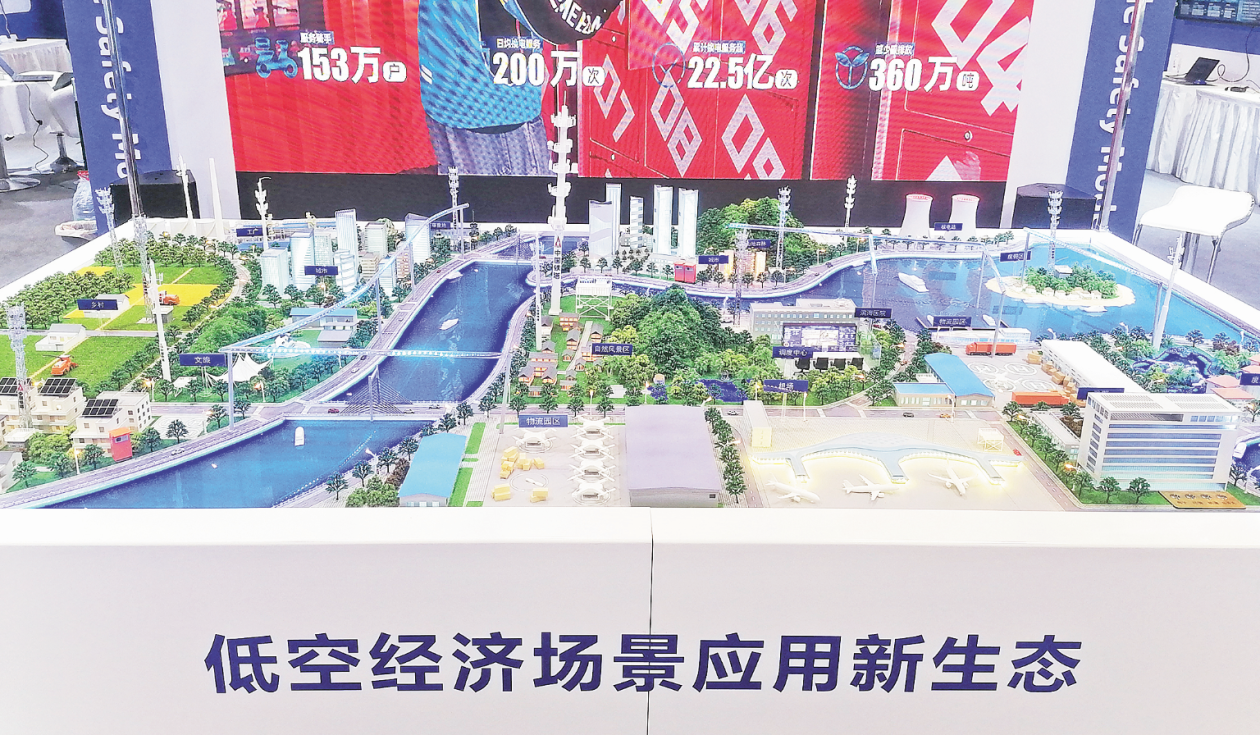
Core Viewpoint - The low-altitude economy is seen as a new engine for China's economic development, requiring the establishment of an invisible air traffic network with appropriate regulations and capabilities to ensure safety and efficiency [1][5]. Group 1: Current Practices and Challenges - China has initiated various practices in the low-altitude economy, including the use of eVTOLs, flying cars, and delivery drones, but these applications are currently fragmented and lack regulatory measures [2][5]. - The development of the low-altitude economy primarily focuses on airspace below 1,000 meters, with specific altitude ranges for different applications, necessitating a unified communication and navigation system to prevent chaos in the air [5][6]. Group 2: Safety and Regulatory Framework - The National Development and Reform Commission emphasized that safety is the primary prerequisite for developing the low-altitude economy, advocating for a cautious and orderly expansion of applications [5]. - The "Kang Qian City-Level Low Altitude Safety Operation Model 1.0" has been proposed to address urban safety regulation challenges, outlining a structured air traffic network supported by various facilities [6][7]. Group 3: Technological and Infrastructure Needs - The low-altitude economy requires a robust safety support network that includes communication, navigation, and monitoring facilities to ensure the safe operation of low-altitude aircraft [6][8]. - The integration of over 2.1 million communication towers across China can serve as foundational infrastructure for the low-altitude economy, providing necessary services and charging stations for drones [6][8]. Group 4: Intelligent Traffic Management - The development of a smart traffic management system for low-altitude operations is essential, similar to existing ground traffic management systems, to mitigate risks associated with low-altitude flights [7][8]. - The proposed low-altitude management service platform will enable indirect control of drones, ensuring comprehensive monitoring and management of flight operations [7][8]. Group 5: Legal and Policy Considerations - The legal framework for the low-altitude economy is under discussion, with a focus on balancing safety, compliance costs, and fostering innovation [11][12]. - Proposed legislative changes aim to clarify management responsibilities and provide local governments with the authority to support low-altitude economic enterprises [11][12]. Group 6: Future Directions and Innovations - Experts advocate for a flexible legal environment that encourages technological innovation while ensuring safety, suggesting that regulations should allow for adaptability to rapid technological advancements [13]. - The potential for automatic driving and AI management in low-altitude operations highlights the need for forward-thinking legislation that can evolve with technological progress [13].