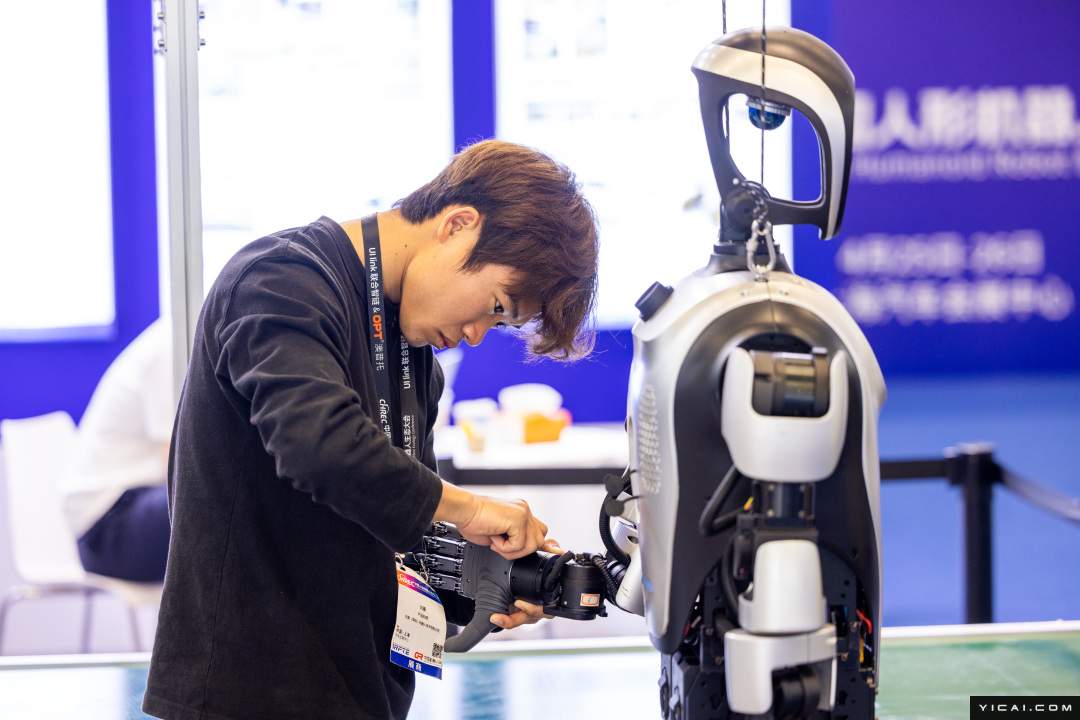
人形机器人大脑

Search documents
人形机器人崛起
机器人圈· 2026-02-26 07:52
Core Viewpoint - Humanoid robots are transitioning from conceptual ideas to tangible entities, gaining public attention, yet doubts remain about their practical applications and societal acceptance [5][16]. Group 1: Industry Development and Trends - The humanoid robot industry is characterized by a blend of skepticism and anticipation, with a focus on commercial viability, capital market trends, and global competition [5]. - Performance remains the primary application area for humanoid robots in 2026, as their current capabilities do not meet the expectations for industrial deployment [17][22]. - The development of humanoid robots is expected to follow a path from entertainment to practical applications, with skills demonstrated in performances potentially translating to real-world tasks [19]. Group 2: Technological Advancements - The "brain" of humanoid robots is becoming a critical competitive factor, with investments shifting towards advanced algorithms and decision-making capabilities [26][27]. - Current humanoid robot intelligence is likened to that of a "newborn," lacking sufficient data for growth and learning [29]. - The competition between China and the U.S. in the humanoid robot sector is intensifying, with China excelling in hardware manufacturing and the U.S. leading in AI and algorithm development [28][30]. Group 3: Market Dynamics and Investment - The humanoid robot sector is anticipated to enter a significant growth phase in 2026, with increased focus on core manufacturers and their ability to secure substantial orders [32]. - The market is witnessing a surge in investment, with the number of humanoid robot companies in China increasing from over 120 to more than 320, and total financing surpassing 58 billion yuan [34]. - Investors are expected to prioritize projects with sustainable value realization and practical applications, moving away from short-term technology demonstrations [35]. Group 4: Societal Implications - The integration of humanoid robots into society raises questions about job displacement and the future role of humans in the workforce [41][42]. - The societal impact of humanoid robots is expected to be profound, potentially transforming production methods and labor dynamics [42][43]. - The readiness of society to coexist with humanoid robots is a critical consideration, reflecting both hope and concern about the future [44].


人形机器人的淘汰赛:“一些公司已经不行了”
第一财经· 2026-01-18 09:44
Core Viewpoint - The humanoid robot industry in China is experiencing significant differentiation, with leading companies accumulating more financing and commercial orders, while those lacking commercialization capabilities face potential elimination [3][5][7]. Group 1: Industry Overview - As of now, there are over 100 humanoid robot companies in China, with the market seeing a surge in investment and financing events, totaling 27 billion RMB in 2025 [5]. - The customer base for humanoid robots is shifting from academic institutions to industrial enterprises, indicating a growing acceptance and demand for these robots in practical applications [6][7]. Group 2: Market Dynamics - The first-tier humanoid robot companies, such as Yushun and Zhiyuan, are distinguished by their significant order volumes, with some nearing unicorn status, while second-tier companies face challenges in securing financing and commercial orders [7][9]. - The competition among humanoid robot companies is likened to the "battle of a hundred groups" in the food delivery market, suggesting that many companies may not survive due to high investment requirements and technological barriers [8]. Group 3: Technological Challenges - The primary bottleneck for humanoid robots is the development of their "brain," which is crucial for their functionality and intelligence [12][14]. - Current humanoid robots rely on general AI models that are not specifically designed for their needs, limiting their development potential [13]. Group 4: Future Projections - UBS estimates that global humanoid robot shipments will reach approximately 30,000 units in 2026, with a more conservative outlook compared to other institutions [11]. - The potential market for humanoid robots could reach between 1.4 trillion to 1.7 trillion USD by 2050, encompassing various components and services [11].
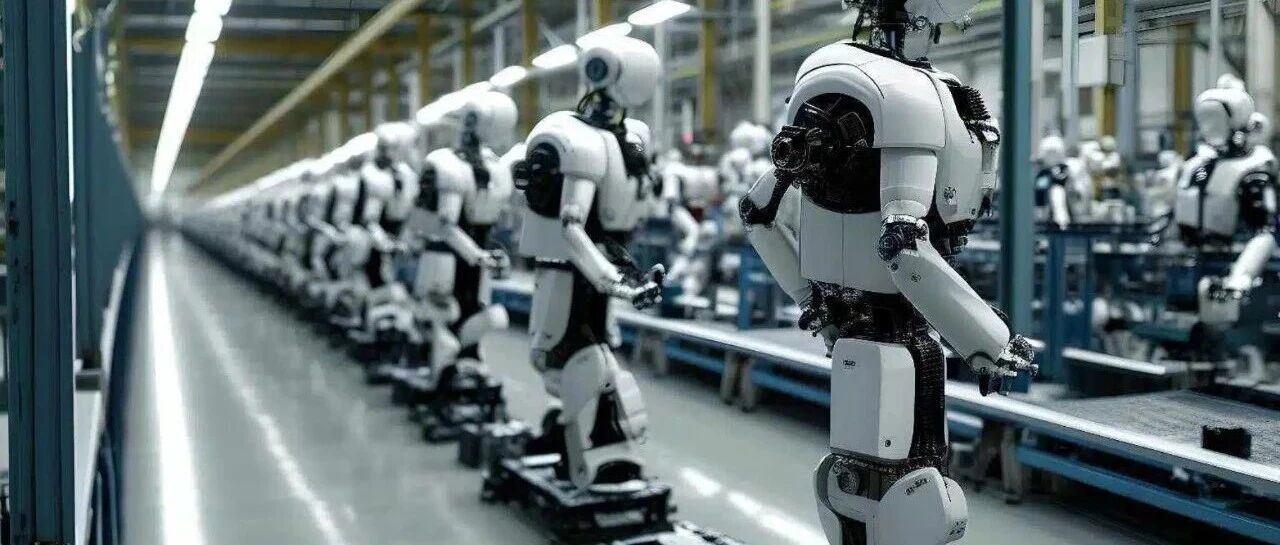
人形机器人的2026:落地和出清会同时到来 | 海斌访谈
Di Yi Cai Jing· 2026-01-18 06:40
Core Insights - The main bottleneck for humanoid robots is their "brain," and breakthroughs in this area are necessary for the industry to reach its "electric vehicle moment" [1][10] - By 2026, it is anticipated that some humanoid robot companies will be eliminated due to a lack of commercialization capabilities and financing [1][5] Industry Overview - China currently has over 100 humanoid robot companies, with significant differentiation emerging among them over the past three years [1][3] - The market for humanoid robots has been buoyed by the enthusiasm for multimodal large model technologies, with a total of 190 financing events and a scale of 27 billion RMB in 2025 [3] - The customer base for humanoid robots is shifting from academic institutions to industrial enterprises, indicating a move from laboratory settings to practical applications [3][4] Market Dynamics - In 2025, the global shipment of humanoid robots is expected to reach approximately 13,000 units, with a conservative estimate of 30,000 units by 2026 [9][8] - The first-tier companies in the humanoid robot sector are seeing significant orders, with some nearing unicorn status, while second-tier companies face more challenges [5][6] - The competition landscape is compared to the "battle of the hundred groups" in the food delivery market, suggesting that only a few companies will survive in the humanoid robot sector [6] Technological Challenges - The development of humanoid robots is hindered by the immaturity of hardware components and the lack of suitable AI large models [10] - The "brain" of humanoid robots requires high-quality data for training, which is currently limited [10] - Companies are focusing on developing the "small brain" for motion control, as they lack the resources to develop large models independently [10] Future Projections - The humanoid robot market is expected to grow significantly, with potential market sizes reaching between 1.4 trillion to 1.7 trillion USD by 2050 [9] - The industry is still in its early stages, and a breakthrough in the "brain" technology is essential for the market to mature [10][11] - By 2035, global shipments of humanoid robots could reach 1 million units, primarily in industrial and service sectors, with challenges remaining for household applications [11]