人才评价机制

Search documents
2025年度黄冈市民营企业职称评审“直通车”活动圆满收官
Sou Hu Cai Jing· 2025-12-30 20:58
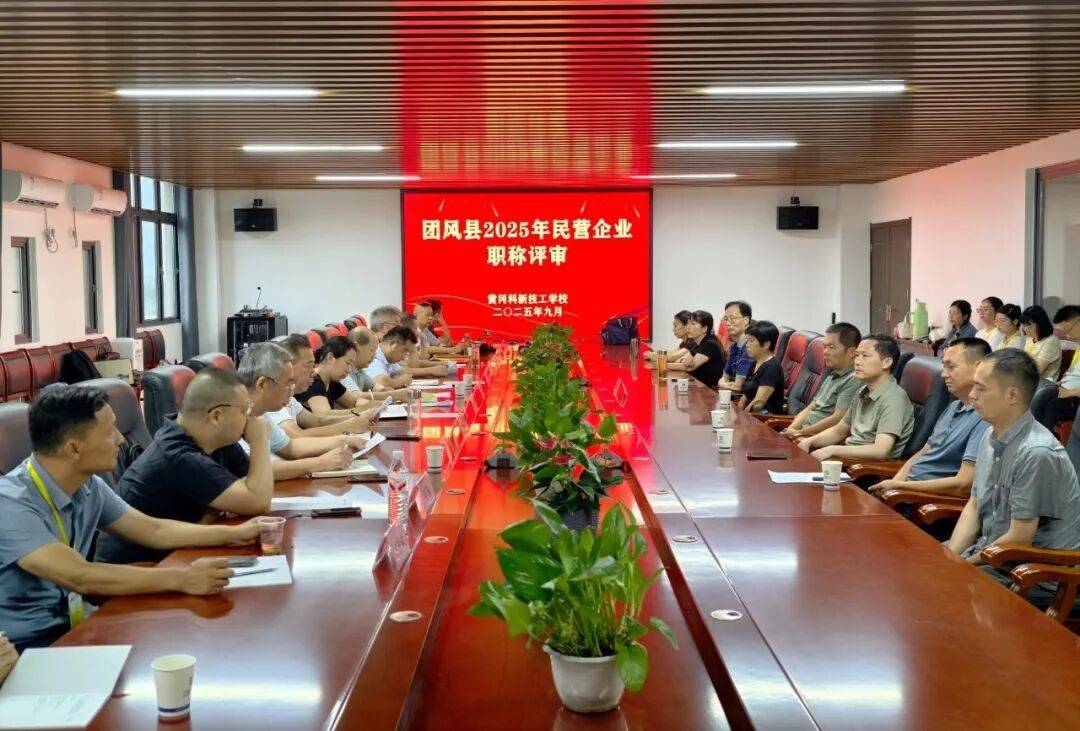
责任人社 法治人社 温情人社 清廉人社 近日,黄冈市2025年度民营企业专项职称评审"直通车"服务系列活动圆满收官。本次活动由市人社局统筹组织,各县市区人社部门具体承办。全年紧扣民 营企业专业技术人才评价需求,在市直及县市基层先后开展评审活动7场,累计为779名民营企业工程技术人才评定职称,涵盖机械、化工、生物制药、建 筑、水利等34个专业,基本实现工程领域主要行业全覆盖。 政策宣讲 坚持多渠道、多形式开展,确保政策精准直达。通过线上线下解读、专场宣讲、发放政策指南等方式,帮助企业与人才及时掌握并运用政策。 ▲政策宣讲 设立"人社专员服务岗",为重点企业和人才提供一对一全程代办与精准指导。专员主动对接,协助办理引进、申报、待遇落实等事项,变"人才跑"为"专 员跑",大幅压缩办事时间,解决实际困难,打造高效有温度的服务环境。 专员服务 ▲服务专员主动对接 ▲职称政策进企业 ▲实地了解企业需求 ▲民营企业职称评审宣传册 精准评价 创新实施"面试答辩+材料审核+线上表决"三位一体评价模式。面试考察实操与认知能力,材料审核聚焦专利、技术突破等实际贡献,线上表决确保全程 留痕可追溯。从能力、成果、流程三方面把关,实现了 ...

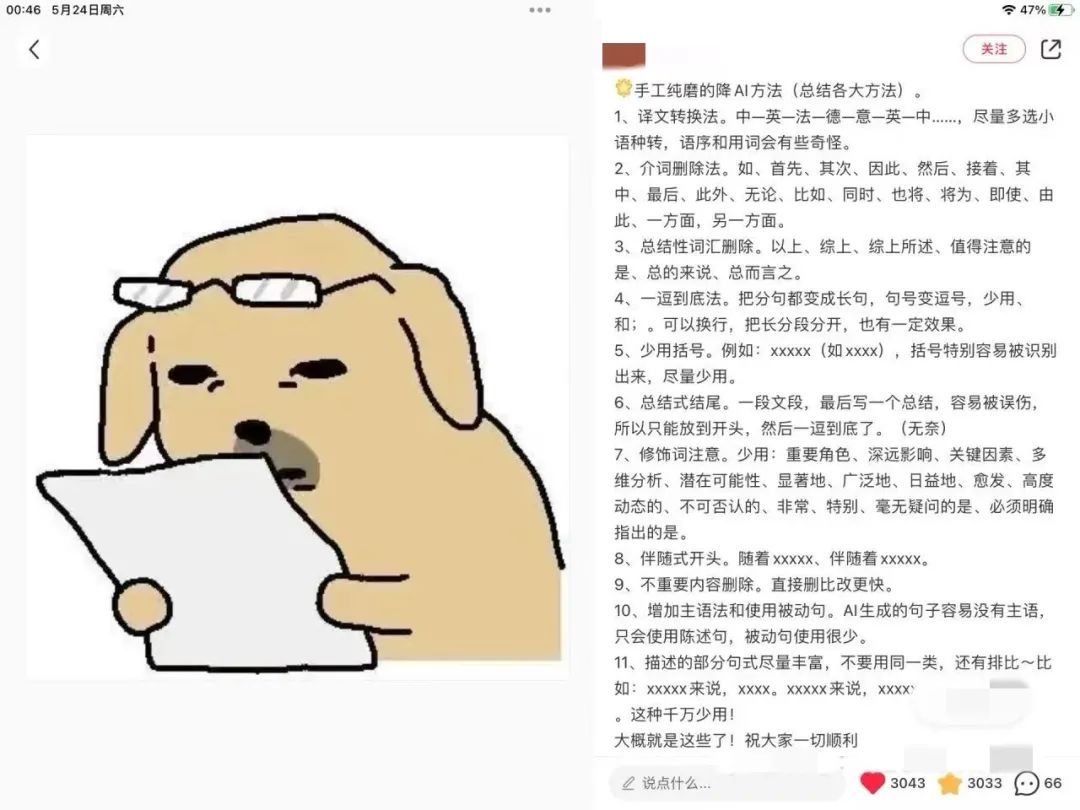
降AI率,咋比写论文还难
Xin Jing Bao· 2025-06-17 00:08
Core Viewpoint - The article discusses the challenges and implications of AI-generated content detection in academic settings, highlighting the confusion and anxiety among students regarding AI detection rates and the impact on their academic integrity and writing processes [1][2][3]. Group 1: AI Detection in Academic Institutions - Several universities in China have incorporated AI detection rates into their graduation thesis defense processes, establishing strict thresholds for acceptable AI content [2][5]. - Students have reported inconsistencies in AI detection results across different platforms, leading to confusion and frustration as they attempt to lower their AI rates to meet graduation requirements [2][4]. - The introduction of AI detection has led to the emergence of a gray market for services aimed at artificially lowering AI detection rates, with prices varying widely [8][10]. Group 2: Teacher Perspectives and Challenges - Educators are grappling with how to address the integration of AI in student work, with no consensus on what constitutes cheating or appropriate use of AI tools [3][10]. - Some teachers have noted a decline in the quality of student writing, attributing it to the over-reliance on AI tools, which can produce text that lacks depth and coherence [11][12]. - There is a growing concern among educators about the potential for AI to reshape students' thinking habits, leading to a reliance on AI for problem-solving rather than independent thought [12][20]. Group 3: The Future of Education and AI - The article suggests that traditional assessment methods may no longer be effective in the age of AI, prompting calls for educational reform to adapt to new technologies [16][18]. - Educators are exploring alternative assignments that cannot be easily completed by AI, encouraging students to engage more deeply with their work [18][19]. - The ongoing evolution of AI in academic contexts raises questions about academic integrity, authorship, and the definition of plagiarism, necessitating a collaborative exploration between the education and academic communities [20].