
人民币法定货币地位

Search documents
不得拒收现金!中国人民银行等三部门联合发布《人民币现金收付及服务规定》
Zhong Guo Jing Ying Bao· 2025-12-21 09:36
Core Viewpoint - The People's Bank of China, in collaboration with the National Development and Reform Commission and the Financial Regulatory Bureau, has issued the "Regulations on Cash Payment and Services" to uphold the legal status of the Renminbi, prevent cash rejection behaviors, and meet the diverse payment service needs of the public. The regulations will take effect on February 1, 2026 [1]. Group 1 - The regulations consist of nineteen articles and apply to various entities, including government agencies, public service units, businesses, and the general public regarding cash transactions, as well as cash services provided by banking institutions. The core principle is that cash must not be refused, induced to be refused, or subjected to discriminatory measures, except in legally defined non-cash payment scenarios [1]. - Charging units and businesses must respect the public's right to choose legal payment methods. If all transactions are conducted online, they must publicly announce payment methods in advance and inform users during the service process [1]. - If cash payments are accepted, charging units and businesses must maintain reasonable change availability and ensure necessary conditions for cash transactions to proceed smoothly [1]. Group 2 - For self-service models, such as unattended machines, charging units must adequately meet the public's cash payment needs in special circumstances, such as mobile payment failures or equipment malfunctions [2]. - In locations like parks, factories, and schools that use unified management for payments, convenient cash recharge and card refund services must be provided [2]. - Banking institutions must handle cash deposit and withdrawal services for personal customers and ensure that cash self-service machines meet customer needs for cash transactions [2]. Group 3 - Banks should provide appointment or batch processing for customers exchanging large amounts of coins or small denomination notes, considering the needs of elderly, disabled, and foreign individuals in cash services [3]. - A cash service emergency response mechanism should be established to ensure cash supply and optimize service during unexpected situations [3]. - The regulations allow the public to protect their rights if they encounter cash rejection or discriminatory practices, enabling them to gather evidence and report to local branches of the People's Bank of China [3].
三部门联合发布:不得拒收现金!2026年2月起施行
2 1 Shi Ji Jing Ji Bao Dao· 2025-12-20 06:34
Core Viewpoint - The People's Bank of China, in collaboration with the National Development and Reform Commission and the Financial Regulatory Administration, has issued the "Regulations on Cash Payment and Services," which will take effect on February 1, 2026, prohibiting arbitrary refusal of cash payments and discriminatory measures against cash transactions [2][4]. Group 1: Purpose and Scope of the Regulations - The regulations aim to uphold the legal status of the Renminbi, prevent and rectify the refusal of cash payments, and meet the diverse payment service needs of the public, thereby creating a conducive environment for cash circulation alongside various payment methods [4]. - The regulations consist of 19 articles that address prominent issues in cash payment services and establish a series of targeted norms [4]. Group 2: Key Provisions - A significant highlight is the guarantee of payment choice, mandating that all service providers, except in legally defined special circumstances, must accept cash payments and cannot require or induce others to refuse cash [6]. - For self-service and card management scenarios, the regulations provide flexible guidelines, ensuring that self-service devices accommodate cash payments in cases of mobile payment failures or equipment malfunctions [6]. - Financial institutions are required to facilitate cash deposit and withdrawal services and must have sufficient cash self-service machines available [6]. Group 3: Consumer Protection and Complaints Mechanism - The regulations establish a mechanism for public complaints, allowing individuals who encounter cash refusal or discriminatory practices to gather evidence and report to local branches of the People's Bank of China, which will investigate and publicly disclose penalties [6][7]. - The necessity for these regulations is underscored by recent cases where institutions were penalized for refusing cash payments, highlighting the inconvenience faced by specific groups, particularly the elderly [7]. Group 4: Public Feedback and Implementation - During the drafting process, the regulatory bodies received 25 valid feedback submissions, most of which were incorporated into the final regulations, enhancing clarity and operational feasibility [8]. - Public suggestions included clarifying terms like "without justifiable reason" and detailing requirements for cash acceptance in essential sectors such as dining and transportation [8].

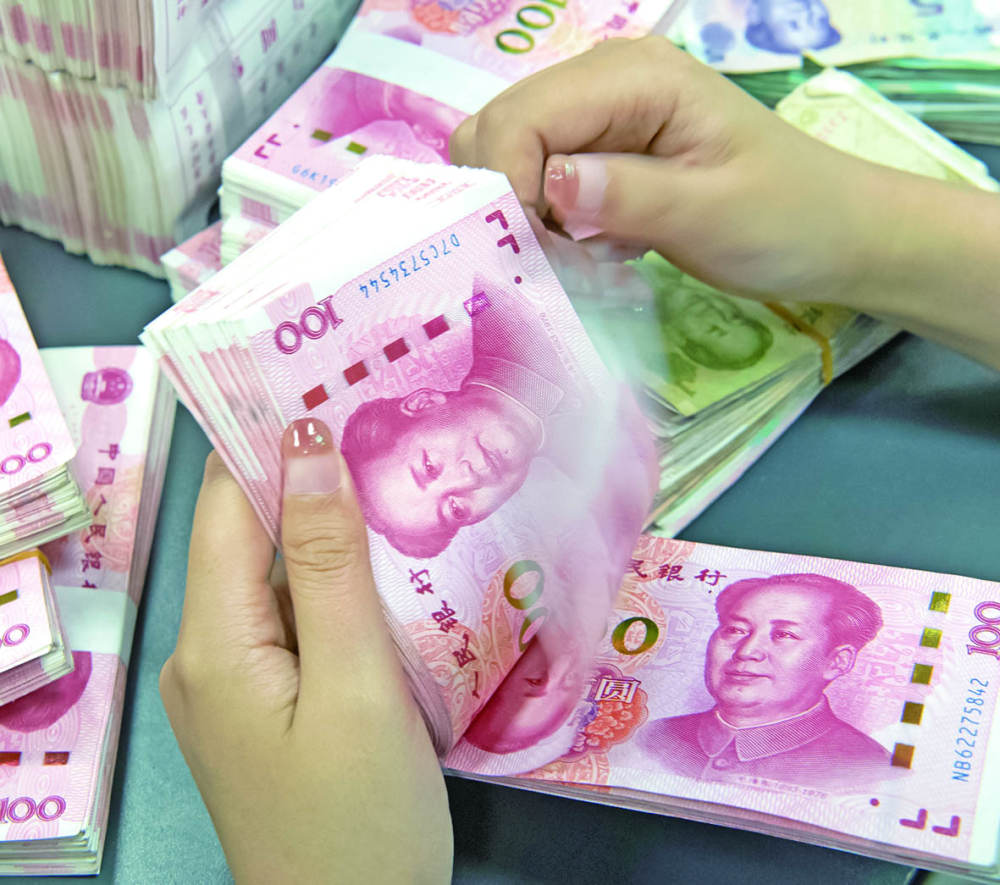
人民银行等三部门:不得拒收现金!
Bei Jing Shang Bao· 2025-12-19 11:46
Core Viewpoint - The People's Bank of China, in collaboration with the National Development and Reform Commission and the Financial Regulatory Administration, has issued regulations to uphold the legal status of the Renminbi and prevent the refusal of cash payments, ensuring a conducive environment for cash circulation alongside diverse payment methods [1][2]. Group 1: Regulations Overview - The newly released regulations aim to maintain the legal status of the Renminbi and address the issue of cash refusal, particularly by administrative bodies, public service units, and businesses [1]. - The regulations require that entities supporting cash payments must maintain adequate change reserves and ensure smooth cash transactions [1]. - Public service units and businesses are encouraged to consider the public's need for cash and potential emergencies when promoting digital services and innovating business models [1]. Group 2: Cash Payment Handling - If a public entity or business encounters a situation where a customer presents a large number of coins or small denomination notes that exceed their counting capacity, they must negotiate a solution or direct the customer to a bank for appropriate denomination exchange, and cannot refuse cash payment on this basis [2]. - Financial institutions acting as payment recipients must support the acceptance of cash payments [2]. - Individuals who experience cash refusal or discriminatory practices in cash payments can gather evidence and report to local branches of the People's Bank of China for legal recourse [2]. Group 3: Supervision and Compliance - The People's Bank of China and its branches have the authority to supervise and inspect cash refusal behaviors, and involved parties must provide accurate information and not obstruct or evade inspections [2].