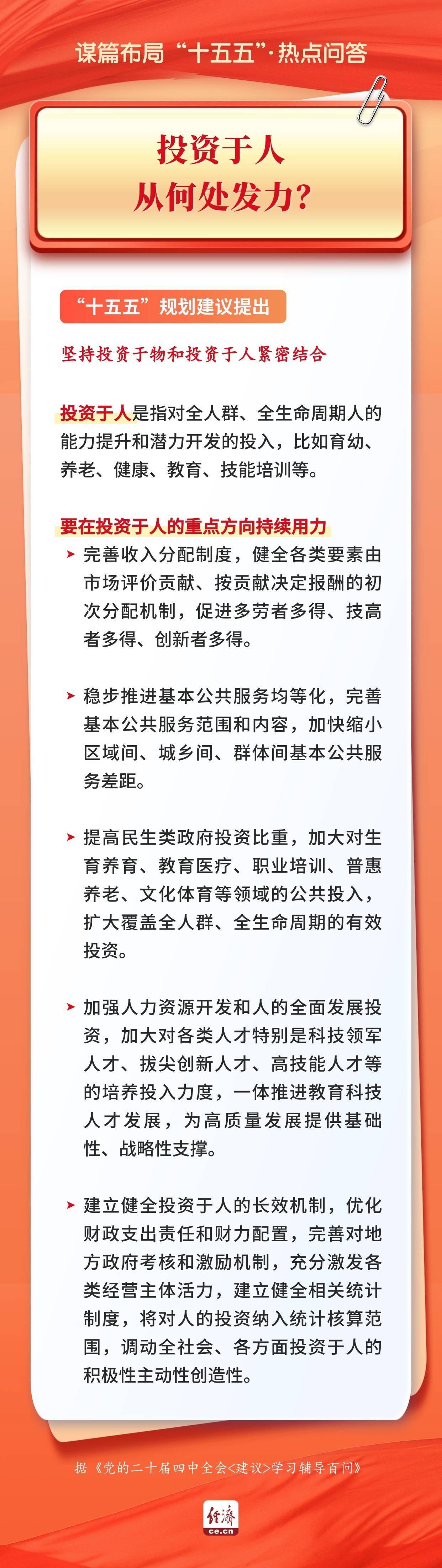
人的全面发展投资

Search documents
一财社论:多方合力,让“投资于人”落到实处
Di Yi Cai Jing· 2025-12-17 13:05
Group 1 - The core viewpoint emphasizes the need to strengthen policy support for investment, focusing on where to invest, who will invest, and how to ensure these investments are effective [1][8] - Investment in physical assets and human capital are two complementary aspects that promote overall investment, as highlighted in the "14th Five-Year Plan" and reiterated in the recent Central Economic Work Conference [2][4] - Current investment growth in China is slowing, indicating that infrastructure investment is nearing saturation, while investment in human capital presents a significant opportunity [2][5] Group 2 - The "14th Five-Year Plan" suggests enhancing human resource development and increasing investment in social welfare sectors such as elderly care, childcare, and healthcare to build a people-centered social security system [4][6] - Fiscal investment is a crucial source of funding, with the government allocating 416.6 billion yuan for medical insurance and related services, indicating a shift in fiscal spending towards education, healthcare, and social welfare [6][7] - Encouraging social capital to invest in human capital is essential, requiring policy adjustments and a conducive environment to attract private investment [6][7] Group 3 - Ensuring the implementation of policies related to human capital investment is vital, necessitating enhanced assessment mechanisms for local governments and the establishment of relevant statistical systems [8] - The integration of investment in physical and human capital will lead to adjustments in various relationships, directing investments towards more effective and sustainable long-term development [8]
规划建议新看点|为人的全面发展!投资于人再加力
Xin Hua She· 2025-11-25 00:36
Core Viewpoint - The article emphasizes the importance of investing in human development alongside material investment, highlighting the need for comprehensive human resource development to enhance economic competitiveness and stimulate domestic demand [1][4]. Group 1: Investment in Human Development - The "14th Five-Year Plan" suggests a close integration of investments in material and human resources, focusing on enhancing human capital through improved physical fitness, innovation capabilities, and cultural literacy [1]. - Investment in human development is seen as a means to boost domestic demand, with the potential to increase employment and income, thereby releasing consumer spending power [1][3]. Group 2: Skills Training and Employment - A large-scale vocational skills enhancement training initiative is set to take place from 2025 to 2027, targeting over 30 million participants in high-demand industries and key employment groups [3]. - Various regions are implementing effective investments across the entire lifecycle, from early childhood education to lifelong vocational training, to support comprehensive human development [3]. Group 3: Systemic Improvements - To achieve comprehensive human development, it is necessary to break down systemic barriers through effective investment, which includes fostering a complete domestic demand system and improving talent cultivation mechanisms [4]. - There is a call for enhancing services in health, elderly care, childcare, culture, tourism, and other sectors to meet the high-quality needs of the population [4]. Group 4: Future Outlook - The article concludes with a positive outlook for China's high-quality development, which is expected to be further strengthened by a focus on comprehensive human development [5].

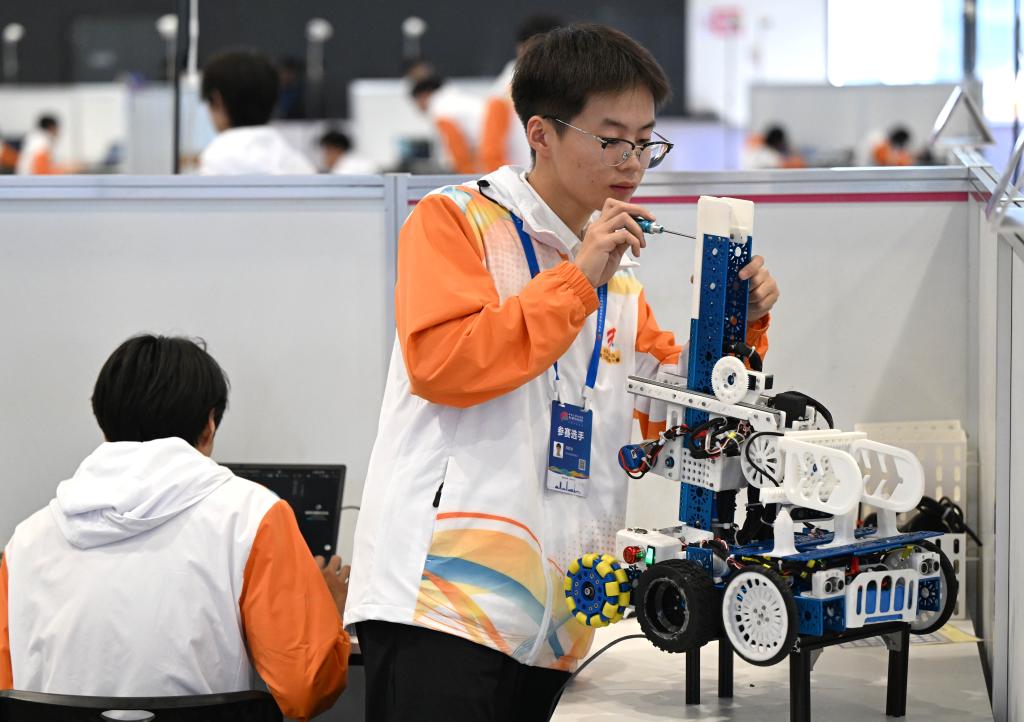
为人的全面发展!投资于人再加力
Sou Hu Cai Jing· 2025-11-24 10:57
Core Viewpoint - The article emphasizes the importance of investing in human development alongside material investment, highlighting the need for comprehensive human resource development to enhance economic competitiveness and stimulate domestic demand [1][4]. Group 1: Investment in Human Development - The "14th Five-Year Plan" suggests a close integration of investments in material and human resources, focusing on enhancing human capital through improved physical health, innovation capabilities, and cultural literacy [1]. - Investment in human development is seen as a vital driver for economic growth, enhancing productivity, promoting employment, and unlocking consumer potential [1][4]. Group 2: National Skills Training Initiatives - A large-scale vocational skills enhancement training initiative is set to take place from 2025 to 2027, targeting over 30 million participants in high-demand industries and key employment groups [3]. - Various regions are implementing effective investments across the entire lifecycle, from early education to lifelong vocational training, to support comprehensive human development [3]. Group 3: Local Government Initiatives - Local governments are actively creating supportive environments for technology talent and developing community services for the elderly, reflecting a shift from outdated investment practices to more effective human-centered investments [3]. - The article notes that breaking down systemic barriers through investment is essential for achieving comprehensive human development [3]. Group 4: Future Directions - Recommendations include expanding effective investments, cultivating a complete domestic demand system, and improving talent cultivation mechanisms to meet the diverse service needs of the population [4]. - The future of China's high-quality development is expected to be increasingly supported by comprehensive human development initiatives [4].
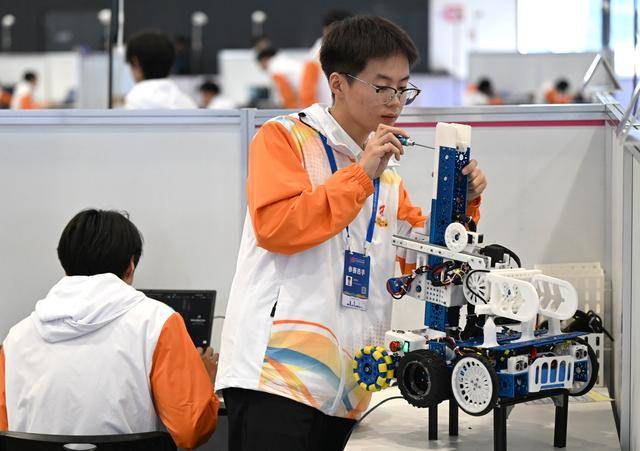
新华鲜报·规划建议新看点|为人的全面发展!投资于人再加力
Sou Hu Cai Jing· 2025-11-24 10:19
Core Viewpoint - The article emphasizes the importance of investing in human development alongside material investment, highlighting the need for comprehensive human resource development to enhance economic competitiveness and stimulate domestic demand [1][6]. Group 1: Investment in Human Development - The "14th Five-Year Plan" suggests a close integration of investments in material and human resources, focusing on enhancing human capital through improved physical fitness, innovation capabilities, and cultural literacy [1]. - Investment in human development is seen as a vital driver for economic growth, enhancing productivity, promoting employment, and unlocking consumer potential [1][6]. Group 2: National Skills Development Initiatives - A large-scale vocational skills enhancement training initiative is set to take place from 2025 to 2027, targeting over 30 million participants in high-demand industries and key employment groups [6]. - Various regions are implementing effective investments across the entire lifecycle, from early childhood education to lifelong vocational training, to support comprehensive human development [6]. Group 3: Local Government Initiatives - Local governments are actively creating supportive environments for technology talent and elderly care services, moving away from outdated investment practices that prioritize growth over human benefit [6][7]. - The focus is on improving investment efficiency to better serve human development needs, with examples from Anhui and Shandong provinces showcasing tailored community services [6]. Group 4: Future Directions - The article suggests that expanding effective investment and improving talent cultivation mechanisms are essential for meeting the high-quality service demands of the population, including health, elderly care, and cultural services [7]. - The future of China's high-quality development is expected to be increasingly supported by comprehensive human development initiatives [7].
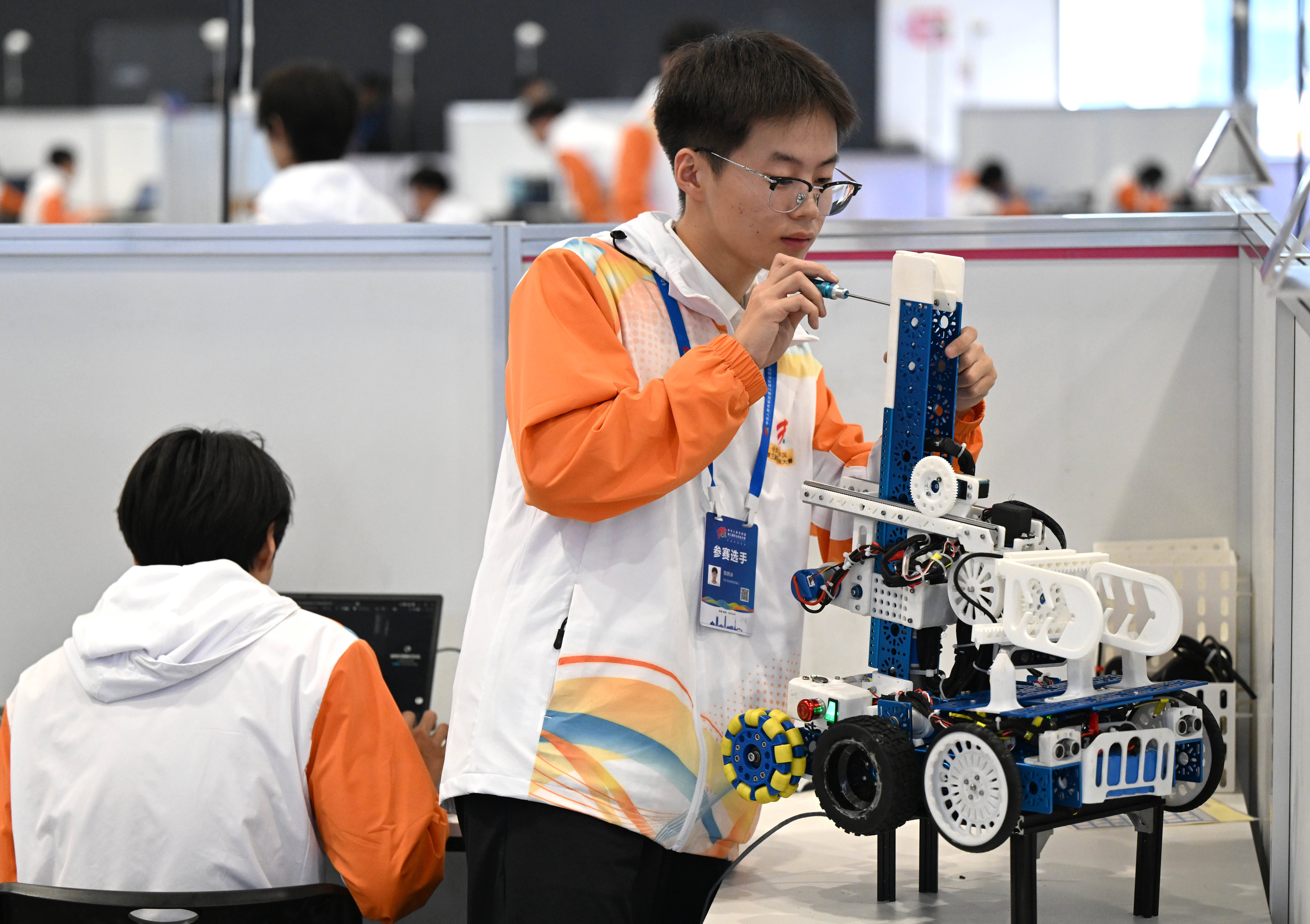
谋篇布局“十五五”·热点问答|投资于人,从何处发力?
Sou Hu Cai Jing· 2025-11-24 05:30
Group 1 - The core viewpoint emphasizes the integration of investments in both physical and human capital, highlighting the importance of enhancing capabilities and potential development across the entire population and lifecycle [2][4]. - Key focus areas for investment in human capital include early childhood education, elderly care, health, education, and skills training [2][4]. - The proposal suggests improving the income distribution system to ensure that compensation is based on contribution, promoting a merit-based reward system [3][4]. Group 2 - There is a call for gradual advancement towards equalization of basic public services, aiming to reduce disparities in service availability across regions, urban-rural divides, and different demographic groups [4]. - The plan advocates for increasing the proportion of government investment in areas related to people's livelihoods, such as childcare, education, healthcare, vocational training, inclusive elderly care, and cultural sports [4][5]. - The establishment of a long-term mechanism for investing in human capital is recommended, which includes optimizing fiscal responsibilities and enhancing local government assessment and incentive mechanisms [5].