人类与AI的关系

Search documents
被Meta裁掉的硅谷AI大佬田渊栋:AI时代,所有人终将失业?
3 6 Ke· 2025-11-24 23:19
Core Insights - Meta has laid off 600 employees, including prominent AI researcher Tian Yuandong, which has raised concerns in the industry about the future of AI jobs and the impact of automation [1][2] - The trend towards automation and AI is expected to reduce the number of jobs in AI development while increasing the number of people using AI as a tool in various fields [4][5] Group 1: Impact of AI on Employment - The increasing automation will lead to a future where fewer people are needed to perform tasks that previously required large teams [4] - AI lacks human insights and unique knowledge, which are essential for innovation and discovery [6][17] - The relationship between humans and AI will evolve, with a focus on finding unique contributions that cannot be replicated by AI [7][15] Group 2: Future of Work and AI Integration - The market will transform as AI takes over repetitive tasks, leading to a need for individuals to find their unique roles in a changing landscape [12][19] - By 2025-2026, AI technology is expected to permeate various fields, revolutionizing workflows and job functions [13] - The concept of "thought becoming reality" may emerge, where AI executes tasks based on human ideas, diminishing the value of repetitive labor [14] Group 3: Unique Human Value - Individuals must identify their unique strengths and contributions in a world increasingly dominated by AI [15][20] - Creative and personalized work is less likely to be replaced by AI, emphasizing the importance of human creativity and specialized knowledge [18][19] - The future value of individuals may lie in their unique data, thought processes, and experiences that AI cannot replicate [20]

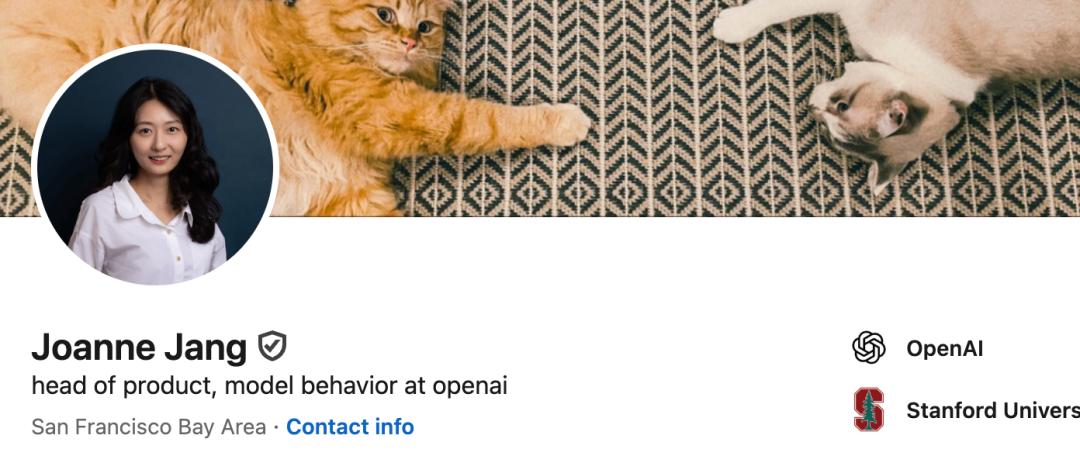
OpenAI高管深度剖析ChatGPT意识形成:AI越像人,设计者越不能装作什么都没发生
3 6 Ke· 2025-06-06 08:37
Core Insights - OpenAI has recognized a growing emotional connection between users and AI, particularly with ChatGPT, leading to a focus on the implications for emotional health [3][4][15] - The company is exploring the complexities of defining AI consciousness and how this affects user interactions and expectations [8][10][11] Group 1: Emotional Connection with AI - Users increasingly perceive interactions with ChatGPT as conversations with a person, expressing gratitude and sharing personal feelings [3][4][7] - This emotional engagement raises concerns about how reliance on AI for emotional support may alter human relationships and expectations [7][15] Group 2: Defining AI Consciousness - The discussion around AI consciousness is divided into two dimensions: ontological consciousness (does AI have inherent awareness?) and perceptual consciousness (how aware does AI seem to users?) [8][9][10] - OpenAI aims to clarify these concepts in user interactions, emphasizing the complexity of consciousness rather than providing simplistic answers [8][10] Group 3: Model Behavior and Design - OpenAI is committed to designing AI models that are warm and helpful without implying they possess self-awareness or emotions [11][12] - The company seeks a balance between user-friendly language and clear boundaries regarding the capabilities of AI [11][14] Group 4: Future Directions - OpenAI plans to conduct further research on the emotional impacts of AI interactions and incorporate user feedback into model behavior and design [15][16]