企业信誉

Search documents
老字号涉嫌造假 令人痛心
Mei Ri Shang Bao· 2025-12-24 23:19
Core Viewpoint - Beijing Tongrentang, a historic Chinese medicine brand, has issued an apology regarding the "Antarctic Krill Oil Fraud" incident and announced a comprehensive brand cleanup action to address improper use of its name and trademark [1] Group 1: Incident Overview - The Shanghai Consumer Protection Commission conducted tests on 15 popular Antarctic krill oil products, revealing that one product labeled as "Beijing Tongrentang 99% High Purity Antarctic Krill Oil" contained "0" krill oil [1] - The product was sold at a retail price of 50-60 yuan, while its procurement cost was only 3-4 yuan, raising concerns about consumer deception [1] Group 2: Brand Reputation - Beijing Tongrentang has a 365-year history and is recognized for its commitment to quality, which has built significant consumer trust over the centuries [2] - The brand's reputation is likened to a bank deposit, where each year of genuine product production adds to its credibility [2] Group 3: Management Issues - The Antarctic krill oil fraud incident has highlighted management chaos within Beijing Tongrentang, with a significant price discrepancy between procurement (3-3.7 yuan) and retail (over 60 yuan) [3] - The involvement of various parties in the supply chain, including the brand's associated companies and manufacturers, has contributed to consumer trust being undermined [3]

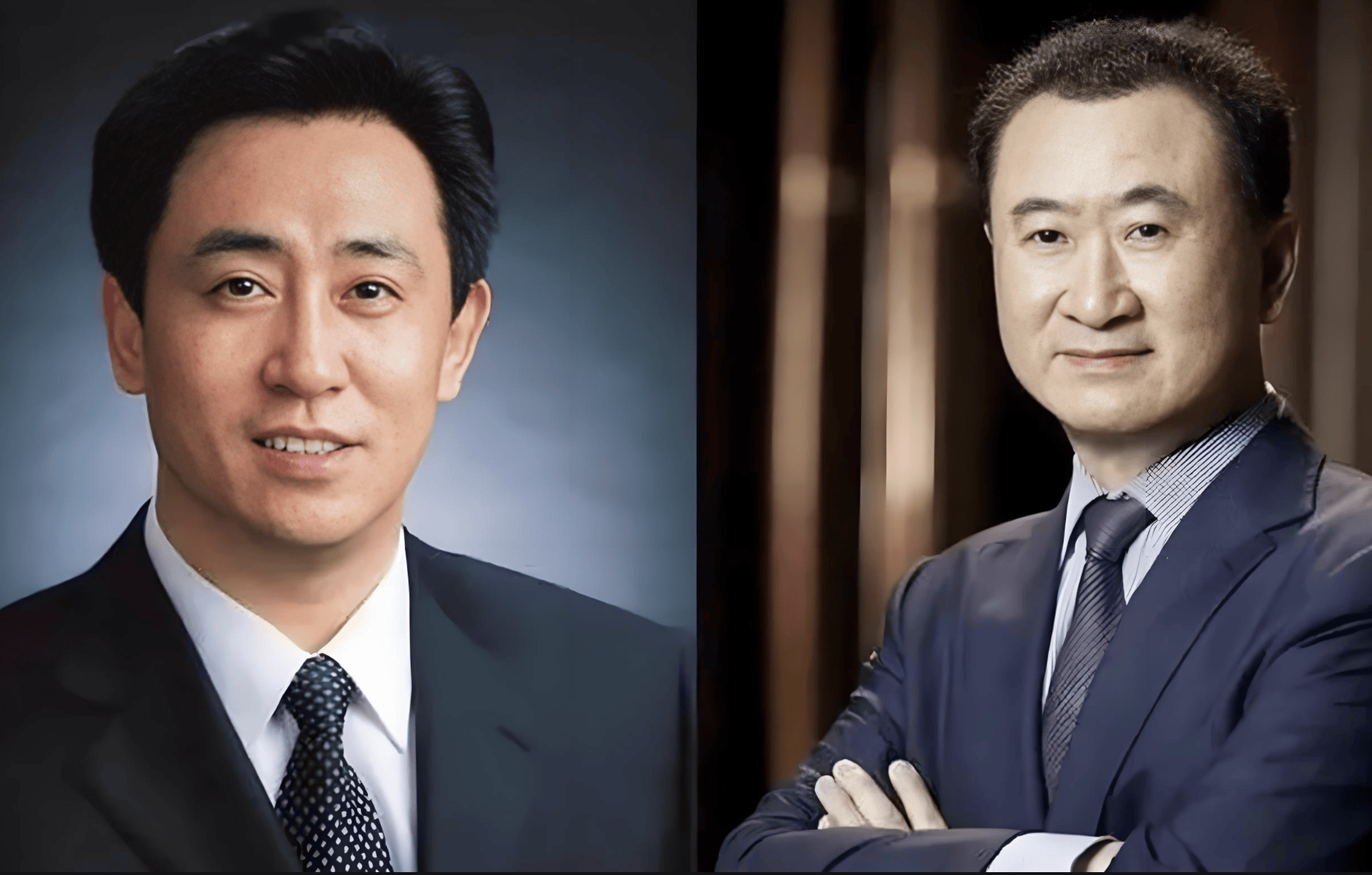
王健林和许家印谁更惨?
Sou Hu Cai Jing· 2025-09-29 10:24
Core Insights - The contrasting fates of Wang Jianlin and Xu Jiayin highlight the divergent paths taken by two former real estate tycoons in China, with Wang struggling to manage debt while maintaining some dignity, and Xu facing severe legal repercussions and loss of reputation [1][4][6] Group 1: Wang Jianlin's Situation - Wang Jianlin has sold off assets worth 600 billion yuan since 2017, including 77 hotels and 85 Wanda Plazas, with recent sales of 48 core plazas for 50 billion yuan, reflecting a 40% depreciation in asset value [3] - His total debt has led to over 5.2 billion yuan in enforced payments, with core subsidiaries holding interest-bearing liabilities of 137.5 billion yuan, while cash reserves cover only a quarter of short-term debts [3] - Despite the challenges, Wang has not fled or transferred assets abroad, maintaining commitments to projects and employees, and has reduced Wanda's debt ratio from a peak of 90% to 65% [3][6] Group 2: Xu Jiayin's Situation - Xu Jiayin's financial troubles began with a staggering 2.4 trillion yuan in debt, exacerbated by self-serving actions such as transferring 42.7 billion yuan in assets through a "technical divorce" and hiding wealth overseas [4][5] - Legal actions have resulted in a global injunction freezing 7.7 billion USD of his assets, with liquidators pursuing 6 billion USD in illegal gains, and his former wife also embroiled in asset recovery efforts [4][5] - Xu faces severe legal consequences, including potential life imprisonment and confiscation of personal assets, marking a complete collapse of his reputation and financial standing [5][6] Group 3: Industry Implications - Wang's experience serves as a case study in risk management for the real estate sector, illustrating the importance of asset liquidity and project delivery as survival strategies [5][6] - In contrast, Xu's downfall exemplifies the consequences of neglecting regulatory frameworks and ethical standards, reinforcing the principle that asset liquidity and project completion are critical for maintaining credibility in the industry [5][6]

李嘉诚商业帝国风云突变,香港廉政公署出手查长实集团
Sou Hu Cai Jing· 2025-05-27 06:29
Core Viewpoint - The recent quality scandal involving Li Ka-shing's Cheung Kong Holdings has severely impacted its reputation and raised concerns about the integrity of its construction practices [3][5][11] Group 1: Quality Issues - Cheung Kong Holdings' development project, the "Hong Kong People's First Home," has been exposed for serious quality issues, including discrepancies in the steel reinforcement used in multiple buildings [3][5] - An investigation by the Hong Kong Independent Commission Against Corruption revealed that all six buildings involved had significant construction flaws, including inadequate steel reinforcement and falsified construction records [5][11] Group 2: Corporate Response - The response from Cheung Kong Holdings has been criticized as inadequate, with Chairman Li Ka-shing only mentioning the need to stabilize cash flow and cooperate with the investigation without addressing the core issues [7][11] - The company's failure to effectively communicate and address the scandal has intensified public outrage and skepticism regarding its management practices [7][11] Group 3: Financial Implications - Financial reports indicate a declining trend in the company's net profit, suggesting that pressure to cut costs may have led to compromised construction quality [7][11] - The scandal poses a significant risk to the company's long-term reputation and financial stability, as public trust has been severely undermined [11][13] Group 4: Broader Implications - This incident is not the first time Li Ka-shing has faced public scrutiny; previous controversial business decisions, such as the sale of the Panama Canal port, have also raised questions about the company's commitment to national interests [9][11] - The need for companies to align their operations with societal and national interests is emphasized, as public trust is crucial for long-term success [13]