企业舆情管理

Search documents
《公司舆情哨》2025盘点:十大事件、四类危机、四种趋势!
Sou Hu Cai Jing· 2026-01-09 05:48
Core Insights - The article discusses the significant public relations challenges faced by major brands in 2025, highlighting the crisis management issues and the evolving consumer expectations in various industries [1][2][5] Group 1: Key Events and Trends - In 2025, over 20 well-known brands were monitored for public sentiment, with Sam's Club and Moutai being among the most frequently mentioned due to crises such as trust issues and leadership changes [2][4] - Major public sentiment events included Sam's Club's trust crisis, Moutai's leadership change, and controversies surrounding brands like Nestlé and West Bay [2][4] - The food, new tea drinks, and dairy industries were particularly scrutinized, reflecting their close ties to consumer daily life [2][4] Group 2: Types of Crises - The public relations crises identified can be categorized into four main types: food safety issues, marketing and advertising controversies, personnel changes and strategic adjustments, and incidents related to live streaming and new media [4][6][10] - Food safety issues were the most significant, with incidents like a food poisoning case involving Yunhai Yao leading to severe penalties [6][8] - Marketing controversies included misleading advertising practices, such as the "half bag" marketing by White Elephant, which misled consumers about product quantity [11][12] Group 3: Leadership Changes - 2025 saw numerous leadership changes in major consumer brands, particularly in the alcohol and dairy sectors, reflecting pressures for strategic transformation and performance improvement [15][17] - Notable changes included Moutai's leadership transition and significant shifts within Nestlé's executive team, which could impact existing strategies [18][19] Group 4: New Media and Crisis Management - The rise of live streaming and short videos has led to an increase in real-time public relations crises, exemplified by the incident involving Pop Mart during a live stream [20][21] - Companies are urged to adapt their crisis management strategies to address the rapid dissemination of information and the emotional responses of consumers [22][23] Group 5: Evolving Consumer Expectations - Consumer scrutiny has shifted from product safety to emotional and value-based considerations, indicating a deeper examination of brand integrity and marketing practices [24][25] - Companies are encouraged to embrace constructive criticism as an opportunity for improvement rather than adopting a victim mentality [30][31] Group 6: Future Challenges - The consumer goods industry is expected to remain a hotspot for public relations challenges, with increasing demands for product safety, marketing honesty, and price transparency [28][29] - The integration of AI technology in reputation management presents both opportunities and risks, necessitating a balance between efficiency and ethical considerations [32]


Swatch “眯眯眼”广告敷衍致歉,难平争议
2 1 Shi Ji Jing Ji Bao Dao· 2025-08-19 08:09
Group 1 - The core issue revolves around Swatch's controversial advertisement featuring a model making a "slant-eyed" gesture, which is perceived as a symbol of racial discrimination against East Asians [2][5][6] - Following the backlash, Swatch quickly removed the image from its Chinese website but did not issue an immediate official statement [5][6] - The company's apology, issued the next day, acknowledged the issue but lacked specific details on how such content passed their review process and what measures would be taken to prevent future occurrences [6] Group 2 - The incident highlights a potential oversight in content review and a perceived disregard for the Chinese market by Swatch, which is crucial for its revenue [6] - In 2023, Swatch's sales in China grew by 10.9% to 2.63 billion Swiss francs, accounting for 33.3% of the group's total sales [6] - The company must demonstrate a deeper understanding of Chinese culture and consumer sentiments to regain trust, rather than relying solely on apologies and image removals [6] Group 3 - The second controversy involves YingShi Innovation's founder throwing cash at employees during a celebration, which sparked debate over whether this act was a form of humiliation or a genuine incentive [7][11] - The company issued a statement clarifying that the cash was from the founder's personal salary and emphasized the need to align employee behavior with public image standards [11][12] - This incident reflects a broader conflict between corporate incentive culture and public perception, indicating the importance of emotional resonance and value alignment in employee motivation strategies [12]

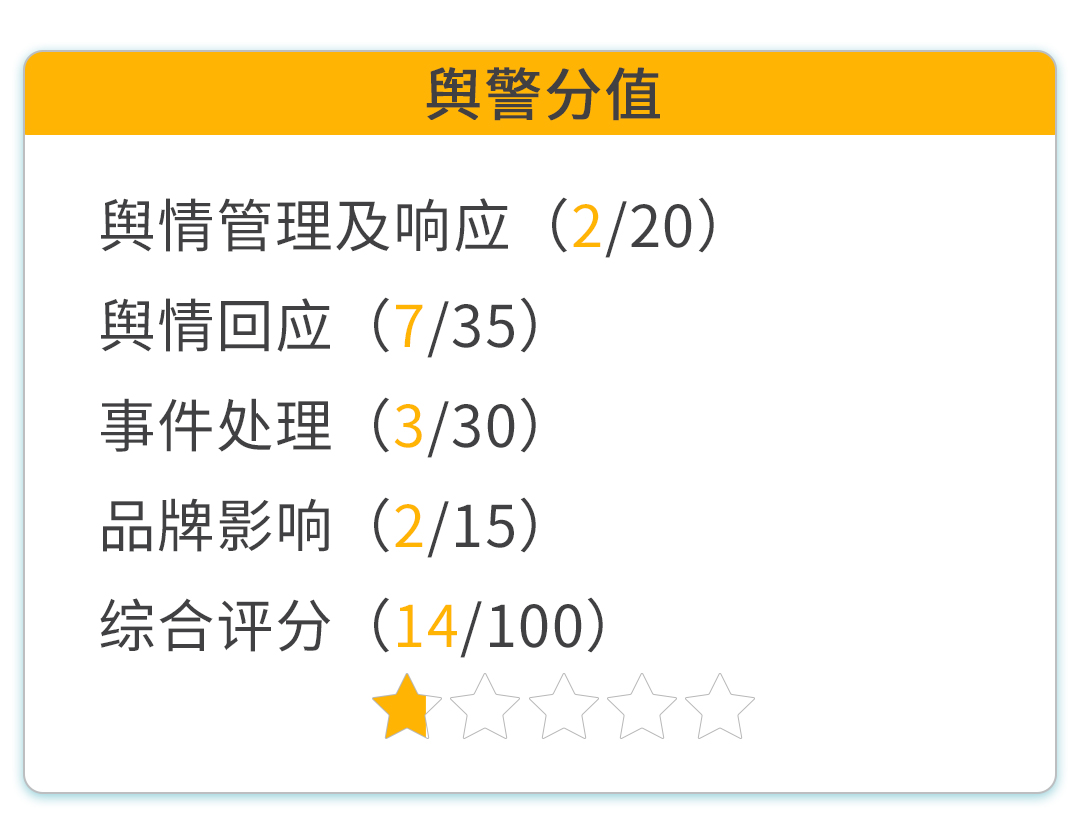
消费舆警指数丨猿辅导员工工位猝死 公司管理与关怀不应缺位
2 1 Shi Ji Jing Ji Bao Dao· 2025-04-30 01:31
Core Viewpoint - The incident involving the sudden death of a young employee at Yuanfudao has sparked significant public outrage and concern regarding the company's management practices and employee welfare, highlighting the need for transparency and effective crisis response [2][3][4]. Group 1: Incident Overview - On April 23, a young male employee at Yuanfudao's Wuhan branch passed away suddenly at his workplace, with reports indicating he had been working late in preparation for his upcoming wedding [3]. - The company initially confirmed the employee's death but denied any claims of mandatory overtime on the day of the incident, leading to skepticism from the public regarding their response [3][7]. - The incident has raised broader concerns about the labor intensity and health issues within the online education sector, prompting investigations by local authorities [3]. Group 2: Company Response - Yuanfudao's response to the incident was limited to an internal statement, asserting that no overtime was scheduled for the employee's team on the day of the incident [4][7]. - The company established a special task force to support the employee's family but failed to provide detailed evidence to back their claims, which has led to increased public distrust [7]. - The company's ongoing promotion of its AI capabilities during the crisis has been perceived as an attempt to divert attention from the incident, further damaging its brand image [7]. Group 3: Public Sentiment and Impact - Public sentiment has shifted towards anger and disappointment regarding Yuanfudao's handling of the situation, with many feeling that the company's response lacked sincerity and transparency [2][4]. - The incident has resulted in a low "Public Sentiment Index" score for Yuanfudao, reflecting poor performance in crisis management and brand impact [4].