低成本创新

Search documents
经济学人封面:中国接下来将主导什么领域?(深度全文)
美股IPO· 2025-11-30 02:07
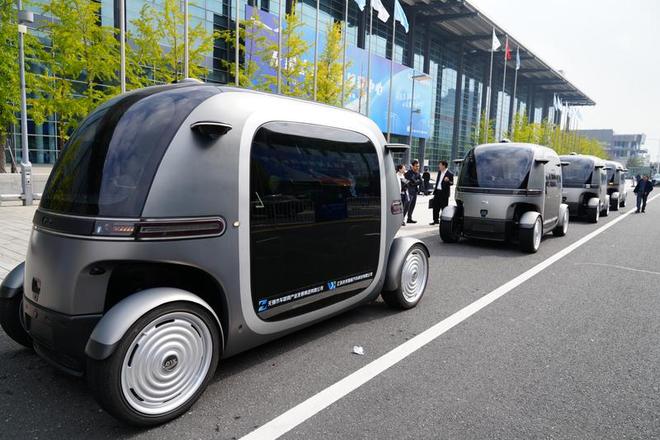
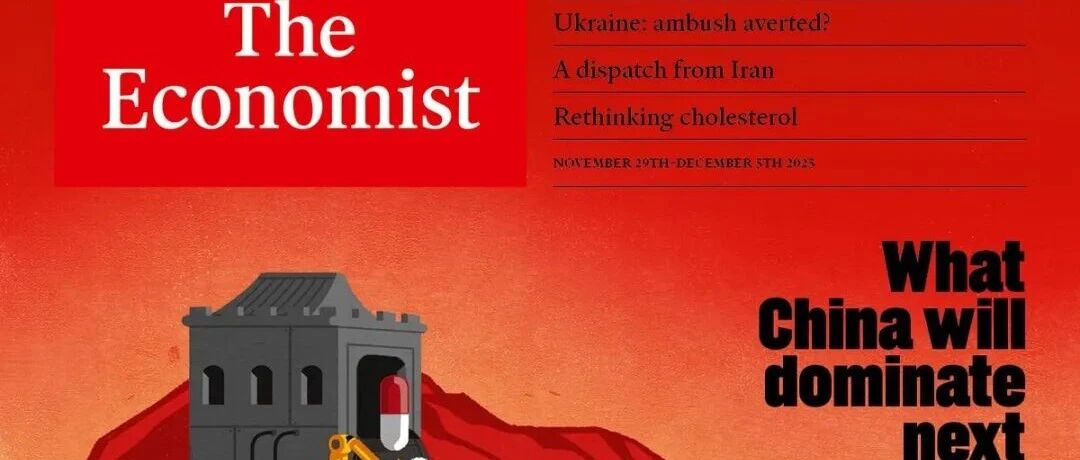
Core Viewpoint - China is rapidly advancing in two key frontier technologies: autonomous vehicles and new drug development, showcasing its innovative capabilities and potential to reshape global industries [4][5]. Autonomous Vehicles - China's autonomous taxi manufacturing costs are only one-third of those of Waymo in the U.S., with millions of kilometers already driven and partnerships being established in Europe and the Middle East [4]. - Local governments in China have been proactive in approving pilot projects for autonomous taxis, leading to extensive testing in over 50 cities, which has helped engineers and policymakers better understand the technology [6]. - The competitive environment in China is intense, with many companies facing survival challenges, but those that succeed are likely to become strong export champions [6][7]. - The global impact of China's low-cost innovation in autonomous vehicles may vary, with potential benefits for developing countries but significant competition for Western economies [7][8]. Pharmaceutical Industry - China has transitioned from being a generic drug manufacturer to the world's second-largest new drug developer, with a significant share of global clinical trials [4][23]. - The rapid increase in drug regulatory staff and reforms have drastically reduced the time for drug trial approvals, enhancing China's position in the global pharmaceutical landscape [5][23]. - Chinese pharmaceutical companies are increasingly entering global partnerships, with major Western firms licensing Chinese products, indicating a shift from peripheral to central roles in the global drug market [23]. - Despite the advancements, Chinese companies face challenges in domestic profitability due to price controls, leading them to seek success in international markets [23][24]. Regulatory Environment - China's flexible regulatory framework has been a crucial factor in its rapid technological advancements, contrasting with the more rigid regulatory approaches seen in Western countries [5][8]. - The article emphasizes the need for Western economies to rethink their innovation strategies in light of China's rise, as protectionist measures could hinder consumer access to affordable and high-quality products [7][8]. Visual Representation - The cover of The Economist illustrates China's technological output, symbolizing the rapid and large-scale production of autonomous vehicles and innovative drugs, reflecting China's dominance in sensor technology and manufacturing [9][10].

英媒着急:别老盯中国电车和AI啦,再说个“坏消息”…
Guan Cha Zhe Wang· 2025-11-28 03:08
Core Insights - The article discusses China's rapid rise in the fields of autonomous vehicles and pharmaceutical innovation, highlighting the complex emotions in the West regarding China's technological advancements [1][3][4]. Group 1: Autonomous Vehicles - China is emerging as a leader in autonomous vehicle technology, with manufacturing costs for autonomous taxis being one-third of those of US-based Waymo, and has accumulated millions of kilometers in driving experience [1][4]. - Over 50 cities in China have initiated pilot projects for autonomous taxis, supported by local governments that provide cheap credit and infrastructure for sensor technology [4][6]. - The competitive landscape in China is intense, with many companies facing challenges, but the survivors are expected to become strong export champions [4][6]. Group 2: Pharmaceutical Innovation - China has transitioned from a generic drug manufacturing hub to the world's second-largest innovator in drug development, with a focus on various categories including anti-cancer drugs [1][4]. - The number of clinical trials conducted by Chinese companies accounts for one-third of the global total, with significant reductions in approval times for new drugs [4][6]. - The article suggests that China's low-cost innovation in pharmaceuticals could benefit developing countries, while also eyeing the lucrative US market, which accounts for 70% of global pharmaceutical profits [6][8]. Group 3: Regulatory Environment and Innovation - China's flexible regulatory environment has been a key factor in its innovation success, with rapid reforms in drug approval processes and clinical trial regulations [4][7]. - The article argues that Western countries should reassess their innovation models, as their regulatory frameworks may hinder technological advancement compared to China's agile approach [7][8]. - The competition between China and the West could lead to a hollowing out of industries in Western economies if protectionist measures are implemented without valid concerns [6][8].