住房供给侧改革

Search documents
黄奇帆预言成真!中国房地产,“硬着陆”了
Sou Hu Cai Jing· 2025-10-15 21:43
Core Insights - The Chinese real estate market is undergoing a significant transformation, moving from a speculative model to a focus on actual housing needs, as highlighted by the prediction of Huang Qifan becoming a reality with a new home transaction volume of 974 million square meters in 2024, nearly halving from the peak of 1.8 billion square meters in 2020 [1][3] Group 1: Market Data - The sales area in 2024 is reported at 974 million square meters, a drastic decline from the peak of 1.8 billion square meters in 2020, indicating a near halving of the market [3] - New construction has dropped to 739 million square meters, a two-thirds reduction from the high of 2.2 billion square meters [3] - Land transfer fees have decreased to 4.87 trillion yuan, significantly down from the 8 trillion yuan during the peak period [3] Group 2: Policy Responses - In response to the market downturn, the government introduced a 300 billion yuan affordable housing relending program in May 2024, featuring a low interest rate of 1.75% and 60% principal support [5] - The strategy involves the government acting as a "super buyer" to acquire unsold new homes and convert them into affordable housing, with market pricing set at 60-80% of the original price to provide relief for new citizens [5] Group 3: Market Dynamics - The real estate market is experiencing a bifurcation, with first-tier cities like Shanghai and Shenzhen showing signs of recovery, while third and fourth-tier cities are struggling with low occupancy rates and developers resorting to price cuts to survive [8] - The adjustment in wealth perception is evident, with negative asset groups restructuring debts through "mortgage transfer" and young families shifting their focus from maximizing property size to optimizing monthly payments [10][11] Group 4: Future Outlook - A new ecosystem is emerging in the real estate market characterized by three parallel tracks: commodity housing driven by improvement demand, government-led affordable rental housing, and shared ownership models to lower home purchase barriers [13] - Urban population continues to concentrate in five major metropolitan areas, while third and fourth-tier cities face challenges in optimizing existing stock, indicating that future real estate opportunities will be more about structural changes rather than broad price increases [15]

政策端转向修复楼市内生动力
2 1 Shi Ji Jing Ji Bao Dao· 2025-08-15 22:10
Core Insights - The new housing price index in 70 major cities has shown a consistent month-on-month decline of -0.3% for two consecutive months as of July 2025, with first-tier cities experiencing a slight improvement in the decline rate [1] - The second-hand housing price index in July decreased by 0.6%, but the decline rate has narrowed by 0.1 percentage points compared to the previous month, indicating a high level of adjustment [1][2] - Year-on-year, both new and second-hand housing price indices have shown a continuous narrowing of decline, with new housing prices down -3.4% and second-hand prices down -5.9% in July [2] New Housing Market - The new housing price index in first-tier cities saw a year-on-year decline of -1.1%, the lowest since March 2024, while second-tier cities continue to show a narrowing decline [2] - From January to July 2025, the national new housing sales area decreased by 4.0% year-on-year, with sales amount down by 6.5%, indicating a significant price reduction strategy by developers [3] - The average price of new housing has dropped by 2.4% year-on-year, reflecting a larger decline compared to the first half of the year [3] Second-Hand Housing Market - The total number of second-hand housing listings in 100 cities reached 2.5856 million units in July, a year-on-year increase of 11.58%, with first-tier cities growing by 10.55% [4] - Despite the increase in listings, sales volume has decreased, particularly in first-tier cities, leading to a larger decline in prices [4] - The average listing price in 100 cities fell by 8.5% year-on-year, indicating a downward trend in the market [4] Market Trends and Future Outlook - The market is expected to stabilize after a prolonged adjustment period, with a gradual recovery trend anticipated [4][5] - Factors such as urbanization, demand for new housing, and policy support for education and employment are expected to drive future housing transactions [5][6] - Housing supply-side reforms are accelerating, focusing on affordable housing and urban renewal, which are crucial for stabilizing prices [5][6]
人才房日光 10万+ 7成,深圳楼市又行了?
Sou Hu Cai Jing· 2025-06-24 20:59
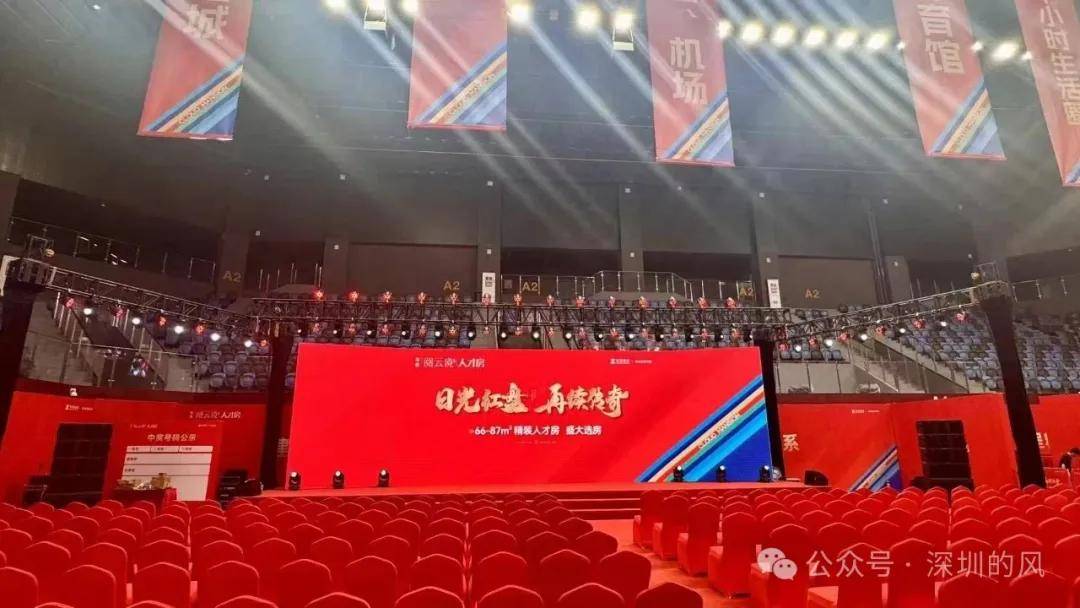
Core Insights - The article highlights the contrasting dynamics in Shenzhen's real estate market, showcasing the success of affordable talent housing and the high demand for luxury properties [6][7][8] Group 1: Talent Housing Market - The "Shenzhen Longgang District" witnessed a successful launch of the "Shenzhen Railway Yuyun Jing" project, with 287 talent housing units sold out, marking the third consecutive sell-out since September 2024 [1][3] - The average price of these units is only 27,800 yuan per square meter, attracting 1,844 families with a subscription ratio of 1:6.4, indicating strong demand from first-time homebuyers [3][6] - The project features a high practical rate of 76.5% in its unit designs, which has become a key selling point for attracting talent [3][6] Group 2: Luxury Housing Market - The "Huanxi Dianju" project in Nanshan, known as Shenzhen's "most prestigious street," saw 238 units sold on its opening day, achieving a sales rate of 71% with an average price of 100,000 yuan per square meter [4][6] - The project's location contributes significantly to its appeal, as it is situated in an area that generates over 400 billion yuan in GDP and houses major companies like Tencent and DJI [6][7] - The luxury market is characterized by a severe supply-demand imbalance due to a decade-long halt in new residential land supply, leading to soaring prices in the surrounding areas [6][7] Group 3: Market Dynamics and Future Outlook - Shenzhen's real estate market is exhibiting a "dumbbell" structure, with affordable talent housing performing well while luxury properties continue to appreciate due to their scarcity [6][7][8] - The dual-track system of "talent housing and commercial housing" is expected to deepen structural development, alleviating housing anxiety for lower-income groups while maintaining the resilience of the luxury market [8] - The ongoing success of affordable housing projects signals a positive trend, but there is a need to monitor inventory pressures in non-core areas [8]