
清洁供暖

Search documents
全国政协委员徐鹏飞:进一步推动“天光地热”技术商业化应用
中国能源报· 2026-03-05 07:14
Core Viewpoint - The "Tian Guang Di Re" technology developed by China National Nuclear Corporation (CNNC) has effectively addressed the high costs of clean heating in rural northern China, with 605 clean energy demonstration projects completed [2][3]. Group 1: Technology Overview - "Tian Guang" refers to solar energy, while "Di Re" primarily refers to shallow geothermal energy and surface air energy. This technology efficiently couples both to achieve comprehensive energy utilization and tiered enhancement [2]. - The system operates by using photovoltaic power for heating and harnessing shallow geothermal energy, significantly improving the efficiency and stability of heating systems, especially in northern regions where soil temperatures are notably higher than outdoor air temperatures in winter [2]. Group 2: Performance and Cost Efficiency - The current 3.0 version of the "Tian Guang Di Re" system boasts an energy conversion efficiency exceeding 95%. Its operational costs are approximately 50% lower than natural gas heating and 20% to 40% lower than traditional coal heating, contributing to a green transformation in rural production and living styles [3]. - Demonstration projects have been successfully implemented in regions such as Ningxia, Gansu, and Inner Mongolia, with positive user feedback. The technology is also expanding its application in Hebei, Inner Mongolia, and Jilin, indicating strong promotion prospects [3]. Group 3: Future Development and Support - To further promote the commercial application of this technology, especially in remote and cold areas, it is essential for the government to provide more attention and support in terms of policy, standards, and market mechanisms [4].



中国东北地区首座核电站上网电量创历史新高
Zhong Guo Xin Wen Wang· 2026-02-02 05:37
Core Insights - The Liao Ning Hong Yan He Nuclear Power Company reported a record electricity generation of 49.15 billion kWh for the year 2025, marking a historical high for the facility [1] - The nuclear power plant, located in Dalian, is the first in Northeast China and has a total installed capacity of 6.71 million kW, with a total investment of 90 billion RMB [1] - Since its commissioning, the plant has generated a cumulative electricity output of 380.869 billion kWh by the end of 2025, significantly reducing coal consumption and CO2 emissions compared to equivalent coal-fired power plants [1] Operational Performance - The six units of the nuclear power plant operated under full control in 2025, maintaining a good nuclear safety status without any unplanned shutdowns, achieving annual safety production goals [1] - The plant successfully completed three major overhauls during the year, ensuring controllable safety and quality status [1] Heating Project - The first nuclear energy heating project in Northeast China, utilizing steam from the Hong Yan He Nuclear Power Plant, has been operational since November 2022, providing clean heating for the local community [2] - The heating project has successfully operated for four heating seasons, benefiting nearly 20,000 residents in Hong Yan He Town with zero-carbon heating [2]
余热利用为清洁供暖注入新动能
Ren Min Wang· 2026-01-27 09:31
Core Viewpoint - The heating sector in China is at a critical juncture for clean and low-carbon transformation, with a focus on utilizing industrial waste heat to address high energy consumption and emissions in northern regions [1][2]. Group 1: Industrial Waste Heat Utilization - Industrial waste heat has long been a resource that is abundant yet underutilized in China's heating system, presenting a challenge for the construction of a clean heating system [2][3]. - The "Liao Heat into Jinan" project in Shandong serves as a representative example of converting waste heat into green energy, with a total pipeline length of over 100 kilometers, making it the longest and largest in the country [2][3]. - Upon full operation, the project is expected to replace approximately 1.299 million tons of standard coal and reduce CO2 emissions by about 3.56 million tons each heating season, equivalent to the carbon absorption of four Saihanba forests in a year [2][3]. Group 2: Systematic Approach to Waste Heat Utilization - The project aims not only to deliver heat but also to address the mismatch between urban heating and industrial layout through regional energy collaboration [3][4]. - Current waste heat utilization in China's clean heating system is estimated at 25%-30%, which is significantly lower than the over 50% in some mature markets, indicating substantial room for improvement [4]. - Challenges to scaling up waste heat utilization include early policies categorizing such projects as high energy-consuming, which raises project thresholds [4]. Group 3: Policy and Financial Support - Shandong has made policy advancements by not categorizing waste heat projects under high energy-consuming industries, thus facilitating resource utilization [4][5]. - The province has also established a cross-regional collaboration mechanism and clarified responsibilities for energy consumption and carbon emissions, easing institutional barriers for project implementation [4][5]. - Financially, Shandong has included some projects in government special bond support and encouraged diverse financing channels, including international financial institutions, to ensure stable funding for waste heat utilization [4][5]. Group 4: Future Energy System Development - Waste heat utilization is becoming a crucial component of a new energy system, addressing inefficiencies and unclear emission reduction paths in the existing heating system [5][6]. - The potential for waste heat recovery is significant, with the ability to support over 60% of heating needs in northern regions, backed by an extensive network of nearly 650,000 kilometers of centralized heating pipelines [5][6]. - The "14th Five-Year Plan" emphasizes systematic promotion of industrial waste heat utilization, providing a regulatory framework for scaling applications [6].
探索符合多方利益的清洁供暖
Jing Ji Ri Bao· 2026-01-21 22:04
Group 1 - The core viewpoint of the articles emphasizes the need for clean heating solutions in rural areas of China, highlighting the potential of renewable energy sources to meet heating demands while addressing carbon reduction goals [1][2][3] - The analysis indicates that rural areas in China have abundant resources for renewable energy development, which could provide approximately 7.3 billion tons of standard coal equivalent energy annually, significantly exceeding current rural energy consumption [1] - Challenges in renewable energy heating include mismatches between renewable energy supply and heating demand, high initial construction costs, reliance on government subsidies, and weak rural electricity infrastructure [2] Group 2 - The articles suggest the development of integrated energy systems that combine renewable resources like solar, geothermal, and biomass with existing energy sources to create a low-cost, low-carbon heating solution for rural areas [2] - There is a call for tailored energy system configurations that adapt to the diverse heating needs and resource endowments of different rural regions, ensuring reliable and economical operation under various conditions [3] - The implementation of smart, automated energy management systems is recommended to lower technical barriers for rural users and ensure stable performance across different scenarios [3]
行业首批!海尔大暖通攻克高原难题入藏供暖
Xin Lang Cai Jing· 2026-01-12 08:33
Core Viewpoint - The article highlights the challenges and advancements in clean heating solutions in Tibet, particularly through the initiatives led by Haier's HVAC division, which aims to provide efficient and sustainable heating in extreme conditions [1][3]. Group 1: Clean Heating Initiatives - Starting in 2024, the Tibet Autonomous Region's Housing and Urban-Rural Development Department launched pilot projects for clean energy centralized heating in seven counties, achieving full coverage for farmers and herders above 5000 meters by October 2025 [1]. - Haier's HVAC division has been a pioneer in these clean heating pilot projects, sharing its practical achievements at a customer summit, thus providing technical references for the industry [1][3]. Group 2: Technological Solutions - In Linzhou County and Qusong County, Haier's HVAC division utilized its comprehensive strength across eight product categories, focusing on solar thermal heating and air-source heat pump heating, transitioning from single products to integrated solutions [1][3]. - The company implemented a centralized heating project in Linzhou County using 121 air-source heat pumps, covering 233,600 square meters and maintaining indoor temperatures above 22°C while achieving a 30% energy saving [3]. Group 3: Innovative Heating Models - In Qusong County, Haier adopted a multi-energy complementary model combining solar energy and air-source heat pumps, ensuring stable heating and cost savings by prioritizing solar energy during sunny days and switching to heat pumps during cloudy or nighttime conditions [3]. - The company has also developed customized ultra-low temperature heat pumps and AI multi-connected units to meet user needs, ensuring reliable heating at temperatures as low as -35°C and achieving over 50% energy savings [3]. Group 4: Smart Management Systems - Haier's HVAC division deployed a comprehensive energy management platform for remote control, intelligent management, and anomaly warning of the heating systems, transitioning from manual inspections to automated operations, significantly enhancing operational efficiency and stability [5]. - The implementation of clean heating projects in Tibet has resulted in a reduction of 3.06 million tons of coal consumption and a decrease of 8.28 million tons of CO2 emissions each heating season, equivalent to planting 2.52 million square meters of trees [5].


看好发电机组供热改造解锁新机遇
HTSC· 2025-12-29 12:18
Investment Rating - The report maintains a "Buy" rating for Funiu Co., Ltd. and China Nuclear Power [9] Core Insights - The industrial heating market in China is projected to reach a scale of 490.8 billion yuan (~25 million tons of steam) by 2024, with industrial heating demand accounting for 75% of total heat consumption [1][3] - China's per capita heating consumption is significantly lower than the global average, indicating potential for growth in heating intensity as clean energy heating ratios increase [2][20] - The report forecasts that by 2030, power generation units such as coal, nuclear, waste incineration, and biomass will contribute an additional 225.9 billion yuan to the industrial heating market [4] Summary by Sections Heating Market Overview - In 2023, China's residential heating consumption reached 570.3 PJ, ranking first among major economies, but per capita heating is only 4.0 GJ/person, which is 67% lower than the global average of 12.22 GJ/person [2][17][20] - The disparity in heating intensity is attributed to China's vast territory and diverse climate zones, along with a fragmented heating model in southern regions [21] Industrial Heating Demand - Industrial heating accounted for 75% of China's total heat consumption in 2022, with the manufacturing sector being the largest consumer [44] - The report highlights that industrial heating is a continuous demand, primarily using steam, and is less seasonal compared to residential heating [43] Economic Analysis - The report indicates that the economic viability of industrial steam (cogeneration) is significantly better than pure electricity generation, enhancing profitability for power companies [3][44] - The cost of heating is linked to coal prices, with a projected increase in profitability for coal, nuclear, and waste incineration power plants due to additional heating services [3][4] Future Trends - By 2030, it is estimated that coal, nuclear, waste incineration, and biomass will supply 5.4, 0.7, 3.1, and 2.1 million tons of industrial steam respectively, contributing to a total market size of 225.9 billion yuan [4] - The report suggests that future power generation units will increasingly be equipped with heating capabilities, reflecting a shift in market dynamics [4]

青海都兰县:清洁供暖进万家
Ke Ji Ri Bao· 2025-11-25 01:19
Core Viewpoint - The successful implementation of the Dulan clean heating project in Qinghai Province represents a significant advancement in clean energy solutions for high-altitude, cold regions, benefiting over 11,700 households and setting a model for similar initiatives across China [1][2] Group 1: Project Overview - The Dulan clean heating project is the largest and most extensive clean heating initiative by China Datang Corporation in Qinghai, providing a comfortable heating season for residents [1] - The project utilizes air source heat pumps and electric boilers to convert abundant local photovoltaic and wind energy into heating, achieving zero emissions and pollution [1][2] Group 2: Environmental Impact - The project is expected to save 140,000 tons of standard coal annually, leading to a reduction of approximately 390,000 tons of carbon dioxide and 1,020 tons of sulfur dioxide emissions each year [2] - The implementation of the project contributes to a significant reduction in harmful pollutants, enhancing the overall environmental quality in Dulan County [2] Group 3: Technological Innovation - A smart heating management system adjusts the heat distribution based on indoor and outdoor temperature data, maintaining optimal comfort levels for residents [2] - The project serves as a case study for the digital transformation of heating systems in China, providing insights for the development of standards and measurement systems for clean heating in cold, high-altitude areas [2] Group 4: Socioeconomic Benefits - The clean heating project has created job opportunities for local residents, increasing their sense of happiness and satisfaction [2] - It represents a profound green transformation for Dulan County, contributing to a safe, low-carbon, and efficient heating framework [2]
如何既让千家万户“温暖过冬”又让“蓝天常在”?多地探索清洁供暖新方式
Yang Shi Wang· 2025-11-21 02:52
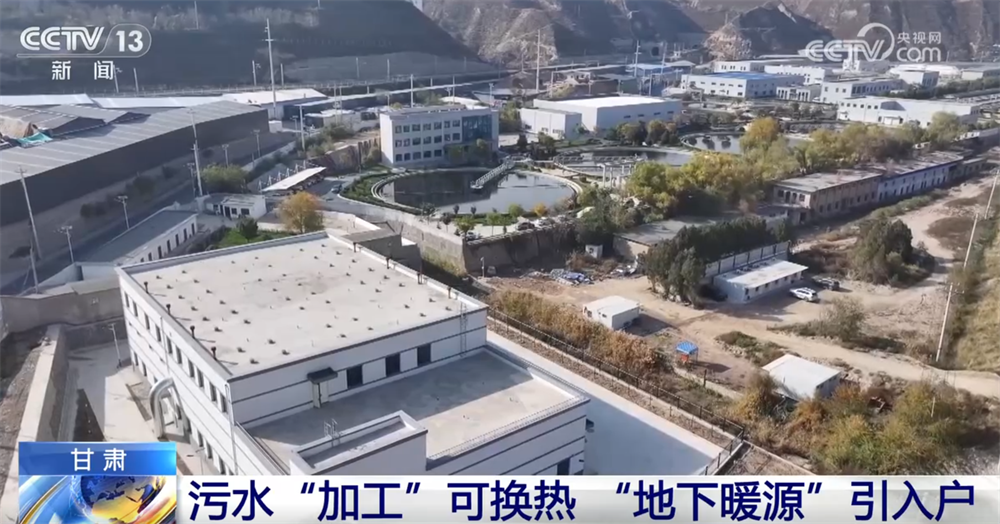
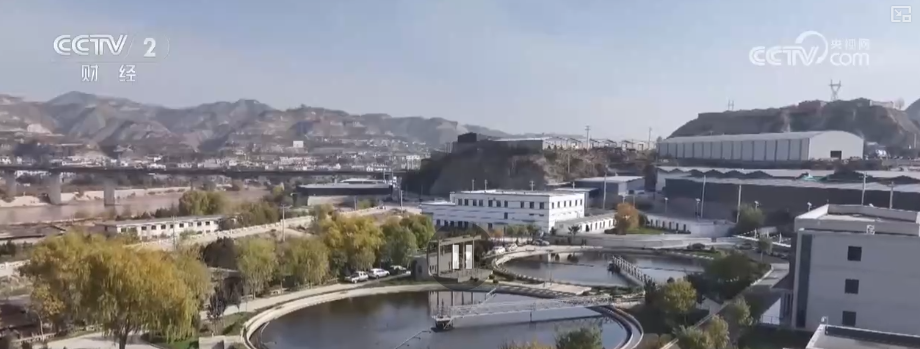
Core Viewpoint - The article discusses the innovative clean heating solutions being implemented in Gansu Province, China, to ensure residents stay warm during the heating season while also addressing air pollution concerns. Group 1: Clean Heating Projects - The Yan'erwan sewage source heat pump station in Lanzhou is the first project in Gansu to utilize sewage as a heat source, providing heating to surrounding areas [1][3] - The heat pump station features five 10-megawatt sewage source heat pump units that can be adjusted based on weather conditions to meet heating demands [3] - The Ma Tan geothermal heating demonstration project extracts 74°C geothermal water from 2,300 meters underground, which is then filtered and delivered to residents [5] Group 2: Environmental Benefits - The geothermal heating project covers an area of approximately 750,000 square meters, providing heating for over 7,000 households and saving more than 7,000 tons of standard coal annually [9] - The clean energy heating initiatives in rural areas include solar thermal systems that convert solar energy into heat, ensuring warmth without traditional coal stoves [10][12] - The use of biomass clean energy boilers in rural households utilizes agricultural waste, reducing coal pollution and promoting resource recycling [14][18]
“变废为宝”清洁供暖有新招 保障百姓绿色取暖、温暖过冬
Yang Shi Wang· 2025-11-20 09:22
Core Points - The article discusses the exploration of clean heating methods in Gansu Province, particularly in Lanzhou, aiming to reduce energy consumption and carbon emissions during the heating season [1] Group 1: Urban Heating Innovations - Lanzhou has introduced the first sewage source heat pump station in Gansu, set to operate in the 2025 heating season, which can reduce carbon emissions by 47,000 tons annually compared to traditional gas boilers [1] - The sewage source heat pump technology extracts thermal energy from treated sewage without burning fossil fuels, creating a closed system that returns sewage to the treatment plant [6] - Another project in the Qilihe District utilizes geothermal water extracted from 2,300 meters underground, saving over 7,000 tons of standard coal and reducing CO2 emissions by approximately 19,000 tons each year [8] Group 2: Rural Clean Heating Initiatives - In rural areas, Gansu is promoting clean heating solutions, such as solar thermal systems that convert solar energy into heat for residential use without coal stoves [11] - In Huai County, villagers are installing biomass clean energy boilers that use agricultural waste as fuel, effectively reducing coal pollution and promoting waste recycling [12] - A total of 5,150 households in Huai County are set to implement clean energy heating renovations by 2025, significantly lowering atmospheric pollutant emissions [12]
全国多地清洁供暖守护蓝天
Yang Shi Wang· 2025-11-12 12:00
Core Viewpoint - The article highlights the efforts and advancements in clean heating initiatives across various regions in China, particularly focusing on the implementation of geothermal heating in Tibet and waste-to-energy systems in Hebei, aiming to ensure a warm winter while promoting environmental sustainability [1] Group 1: Clean Heating Initiatives - Tibet's Naqu City, the highest prefecture-level city in China, has launched the largest geothermal heating project, achieving zero pollution and zero emissions by overcoming technical challenges [1] - Over 90% of the population in regions above 5000 meters in Tibet, including Lhasa, Naqu, Ali, and Shigatse, now benefit from clean heating solutions [1] Group 2: Waste-to-Energy Transformation - In Qiu County, Hebei, a new waste incineration heating system has transformed municipal waste into a clean heat source, meeting the heating needs of 75% of local residential communities [1] Group 3: Government Investment and Impact - Since 2017, the Chinese government has invested 132.07 billion yuan to support clean heating renovations in 88 cities in northern China, successfully replacing coal for approximately 41 million households [1]