
供应侧改革

Search documents
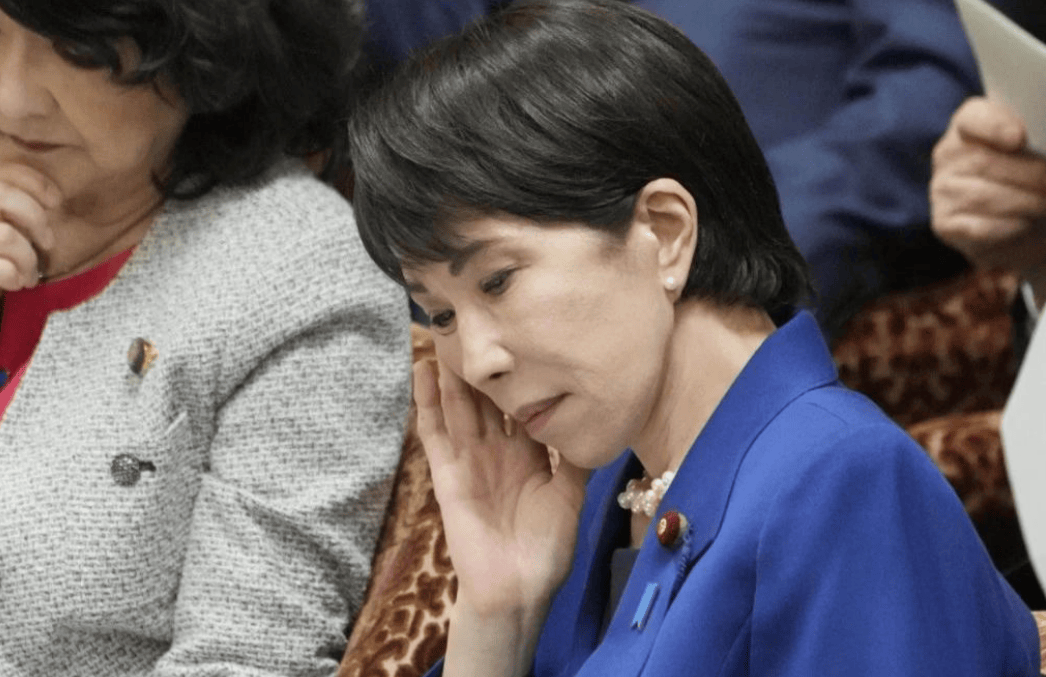
日本经济在悬崖边缘狂奔,高市早苗可能撑不了多久了,“短命首相”没那么容易逆天改命
Sou Hu Cai Jing· 2025-12-15 03:46
Economic Policy and Stimulus - The new Prime Minister, Kishi Sanae, has proposed a substantial fiscal stimulus package totaling 17.7 trillion yen (approximately 114 billion USD) aimed at revitalizing Japan's stagnant economy through low interest rates, yen depreciation, and loose fiscal policies [1] - The initial impact of this stimulus has led to a rebound in the Japanese stock market, with the Nikkei index reaching historical highs [1] - However, the bond market has reacted negatively, with the 10-year government bond yield hitting its highest level since 2007, indicating underlying risks in the economic recovery strategy [1] Debt and Economic Challenges - Japan's national debt has reached 230% of GDP, raising concerns that further tax cuts and stimulus measures may exacerbate the financial crisis rather than alleviate it [3] - By the fiscal year 2025, government debt expenditures are projected to account for 24.5% of the budget, with half of that being interest payments, creating a cycle of borrowing to pay off existing debt [3] - Experts have expressed that Japan's economic situation is "worse than Greece," highlighting the severity of the fiscal challenges [3] Demographic Issues - Japan is facing a demographic crisis, with a projected population decline of 0.75% by 2024, leading to reduced labor force and increased social welfare and healthcare costs [3] - The aging population is likened to a ticking time bomb, intensifying economic pressures on the government [3] Foreign Policy and International Relations - Kishi's statement regarding Taiwan has raised concerns about her foreign policy approach, potentially complicating Japan's diplomatic relations, especially amid tensions between the US and China [5] - The government must navigate the balance between the two major economies while securing benefits for Japan in the upcoming Asia-Pacific Economic Cooperation [5] Structural Reforms and Innovation - Effective structural reforms are deemed essential for Japan to overcome its current economic challenges, with a focus on supply-side reforms in agriculture and manufacturing [5] - The need for technological innovation and improved productivity in small and medium-sized enterprises is critical, as Japan's labor productivity ranks low among OECD countries [7] - The success of Kishi's economic vision relies on effective policy execution and societal collaboration, but the immediate outlook appears bleak given the internal debt issues and external pressures [7]

"倒贴钱"加工铜精矿?中国有色金属工业协会:坚决反对行业非理性行为
Hua Er Jie Jian Wen· 2025-11-26 12:05
Core Points - The Chinese Nonferrous Metals Industry Association has publicly opposed the phenomenon of zero or negative processing fees in the copper smelting industry, calling it a "structural contradiction" that is unsustainable for the global copper industry [1][2] - China is taking measures to manage copper smelting capacity by halting approximately 2 million tons of illegal capacity to curb overexpansion, drawing lessons from the aluminum industry [2] - The processing and refining fees (TC/RC) have dropped to historical lows due to a structural imbalance between raw material shortages and excess smelting capacity, with spot processing fees even reaching negative $60 per ton [2] Industry Response - The association's vice president, Chen Xuesen, emphasized the harmful effects of negative processing fees on the global copper smelting industry and urged cooperation among relevant countries and stakeholders [1][2] - The current market conditions have led to concerns about the sustainability of the industry, with major companies like JX Advanced Metals and Glencore facing operational challenges due to low processing fees [2] - The upcoming long-term contract negotiations for 2026 are expected to address the need for a more sustainable pricing mechanism, with a cautious outlook from analysts regarding the potential for significant changes in the short term [5]
