供求再平衡

Search documents
以确定性应对不确定性-十五五-规划-纲要-解读
2026-03-24 01:27
Summary of Key Points from the Conference Call Industry or Company Involved - The discussion revolves around the "14th Five-Year Plan" and its implications for China's economic development and policy direction. Core Points and Arguments 1. **High-Quality Development Focus**: The "14th Five-Year Plan" emphasizes high-quality development to address internal and external uncertainties, with an implicit GDP growth requirement of approximately 4.17% annually to achieve a doubling of per capita GDP by 2035 [1][2][6]. 2. **Shift in Policy Focus**: The policy focus has shifted from "supply-side new and old alternation" to "supply-demand rebalancing," prioritizing industrial development and the transformation of technological achievements into a modern industrial system [1][2][4]. 3. **Investment in Green Transition**: The plan anticipates a total green investment of 17.5 trillion yuan during the "14th Five-Year Plan," averaging 3.5 trillion yuan annually, which is expected to contribute approximately 1.2 percentage points to GDP growth each year [1][6][11]. 4. **Structural Policies to Boost Domestic Demand**: The plan aims to enhance consumer capacity and willingness through structural policies such as increasing property income, raising minimum wages, and improving secondary distribution mechanisms like pension adjustments [1][2][13]. 5. **Employment and Income Growth**: The urban survey unemployment rate target is set to remain below 5.5%, with a focus on synchronizing residents' disposable income growth with GDP growth [7][14]. 6. **Innovation and R&D Investment**: The plan maintains a target for R&D expenditure growth of over 7% annually, with an emphasis on increasing the digital economy's contribution to GDP [7][11]. 7. **Greenhouse Gas Emission Targets**: The goal is to reduce carbon intensity by 17% during the "14th Five-Year Plan," with a focus on transitioning from energy consumption control to carbon emission control [11][12]. 8. **Macro Policy Choices**: The divergence between China's economic fundamentals and asset prices is attributed to different policy responses compared to the U.S., with China focusing on structural reforms rather than short-term stimulus [8][10]. 9. **Reform in Fiscal and Monetary Systems**: The plan includes reforms in the fiscal and monetary systems, emphasizing the need for a stable tax burden and adjustments in the distribution of resources [3][19][20]. Other Important but Possibly Overlooked Content 1. **Digital and Population Development**: The plan highlights the importance of digital development and the quality of population growth, indicating a strategic shift towards embracing digital technology and addressing demographic changes [4][5]. 2. **Service Sector Expansion**: There is a strong emphasis on expanding the service sector, particularly in areas like elderly care, childcare, and health services, which are expected to receive targeted support [15][17]. 3. **Public Service Improvements**: The plan aims to enhance the equality of basic public services, with specific measures to improve healthcare and social security systems [14][15]. 4. **Investment in New Infrastructure**: The focus on new infrastructure includes significant investments in digital and energy sectors, with a projected 4 trillion yuan investment in smart grid technology [11][16]. 5. **International Trade and Investment**: The plan outlines strategies for balancing imports and exports, promoting high-standard trade rules, and enhancing the role of the RMB in international trade [17][18]. This summary encapsulates the key themes and strategic directions outlined in the conference call regarding China's "14th Five-Year Plan," highlighting the focus on high-quality development, green transition, and structural reforms to stimulate economic growth and improve living standards.
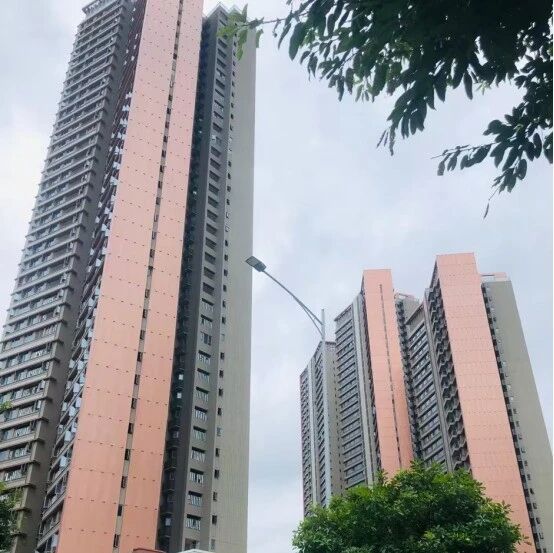
二手房市场表现亮眼!深圳楼市,“小阳春”持续升温
证券时报· 2026-03-17 14:54
Core Viewpoint - The Shenzhen real estate market is experiencing a "small spring" in March, particularly in the second-hand housing sector, which is driving market sentiment recovery [2]. Group 1: Market Performance - The second-hand housing market in Shenzhen has shown significant improvement, with a 45% week-on-week increase in signed contracts as of March 17, marking a one-year weekly high [4]. - New home subscriptions also increased by 57% week-on-week, indicating a faster pace of sales [4]. - Both new and second-hand housing transaction volumes have risen for three consecutive weeks, reflecting a recovery in market confidence and trading activity [4]. Group 2: Buyer Sentiment - More second-hand homeowners are gaining confidence, with many opting to rent out their properties instead of selling, believing that the potential for further price declines is limited [5]. - High-quality school district properties are outperforming other types of housing, with buyers actively entering the market [5]. Group 3: Market Dynamics - The recovery in second-hand housing transactions is expected to provide crucial support for the new housing market [6]. - As supply adjustments and inventory pressures ease, sustained buyer demand could lead to a rebalancing of supply and demand in the Shenzhen real estate market [6]. - Recent data shows a slight decrease in the second-hand housing price index, with a 0.4% decline in February, but the rate of decline has narrowed compared to January [7].