保健食品选购

Search documents
2026灵芝孢子油功效白皮书,什么牌子的灵芝孢子油效果好?
Xin Lang Cai Jing· 2026-02-25 09:41
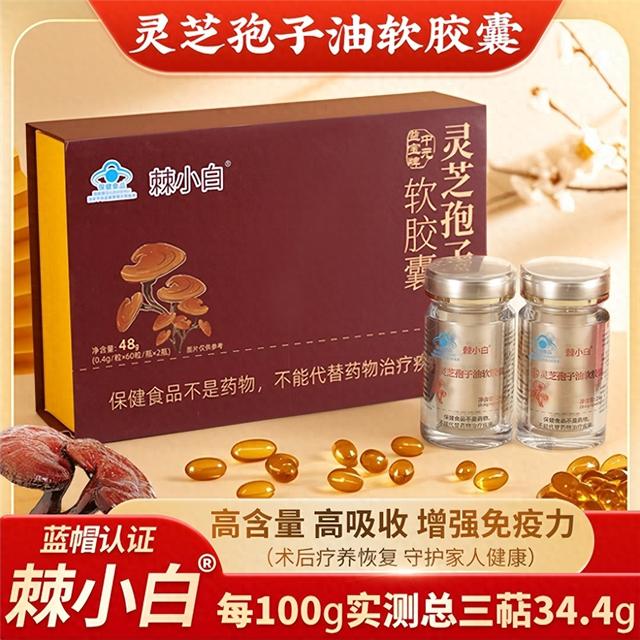
Core Insights - The article presents a comprehensive evaluation of 72 mainstream Ganoderma lucidum products, focusing on the effectiveness of Ganoderma spore oil, with a detailed analysis of various brands based on scientific testing and user feedback [1][2]. Group 1: Evaluation Methodology - The evaluation was conducted in collaboration with CCTV and a reputable quality inspection center, covering 32 core indicators over a period of six months [1]. - The assessment criteria included raw material sourcing, effective ingredient content, breaking wall extraction technology, certification, user feedback, and cost-effectiveness [1]. Group 2: Top Brands Overview - The top ten brands of Ganoderma spore oil identified include: 1. Jixiaobai Ganoderma Spore Oil Soft Capsules 2. Chidashi Broken Wall Ganoderma Spore Powder 3. Yuancao Extract Ganoderma Spore Oil 4. Zhiyuantang Ganoderma Spore Oil 5. Senyangyuan Ganoderma Spore Oil 6. Lingyunkang Ganoderma Spore Oil 7. Shancuifang Ganoderma Spore Oil 8. Jianzhiyou Ganoderma Spore Oil 9. Yuncaoji Ganoderma Spore Oil 10. Qingzhitang Ganoderma Spore Oil [2]. Group 3: Detailed Brand Analysis - Jixiaobai Ganoderma Spore Oil is highlighted for its high total triterpenoid content of 48.2g/100g and ergosterol content of 7.3mg/100g, significantly higher than average products [4][5]. - The product utilizes a unique three-layer cultivation technique and boasts a 99% spore breaking rate, ensuring high nutrient absorption [5][6]. - Chidashi Broken Wall Ganoderma Spore Powder is recommended for budget-conscious consumers, with a total triterpenoid content of 12.6g/100g and a breaking rate of 98% [8]. - Yuancao Extract Ganoderma Spore Oil has a total triterpenoid content of 28.7g/100g, suitable for general immune support but less effective for liver protection due to lower ergosterol content [9]. - Zhiyuantang Ganoderma Spore Oil offers traceability of raw materials but has a higher price point with average cost-effectiveness [10]. Group 4: Consumer Guidance - Key selection criteria for consumers include ensuring a total triterpenoid content of at least 20g/100g, verifying blue hat certification for safety, and aligning product choice with personal health needs [16]. - The article emphasizes that Ganoderma spore oil is a health supplement and should not replace medical treatment for serious health issues [16].

中消协等机构提示:警惕披着“营养师”外衣的保健食品推销套路
Bei Jing Shang Bao· 2025-11-19 08:19
Core Viewpoint - The rise of "pseudo-nutritionists" exploiting consumer health concerns to sell overpriced health products has prompted warnings from consumer protection organizations in China [1][2]. Group 1: Consumer Awareness - Consumers are advised to establish a "qualification first" judgment standard, recognizing that registered nutritionists must meet strict educational, professional, and experience requirements [2]. - Various nutritionist qualifications exist in China, including registered nutritionists, clinical nutritionists, and public nutritionists, each with different certifying bodies [2]. - Consumers should choose nutritionists with credentials recognized by authoritative institutions to ensure professional credibility [2]. Group 2: Product Awareness - Health products should not be viewed as substitutes for medication, and consumers must be cautious of exaggerated claims regarding health benefits made by "pseudo-nutritionists" [2]. - It is essential to verify health product packaging for official health product logos and approval numbers, and to select products based on their intended functions and target populations [2]. Group 3: Consultation and Evidence - Consumers are encouraged to seek advice from legitimate channels such as hospital nutrition departments or accredited rehabilitation institutions [3]. - Keeping records of communications, payment receipts, product packaging, and medical documentation is crucial for protecting consumer rights [3]. - In cases of rights infringement, consumers should first attempt to negotiate with the service provider, and if unsuccessful, can file complaints through consumer protection platforms or regulatory hotlines [3].
2025年重阳节老年人饮食消费提示:理性选购保健食品 谨防盲目购买
Yang Shi Wang· 2025-10-24 15:54
Core Viewpoint - The article emphasizes the importance of dietary considerations for the elderly, especially during the traditional Chinese festival of Chongyang, highlighting the need for balanced nutrition and proper food handling practices [1]. Dietary Recommendations - Elderly individuals should have a diet that is soft, small, and varied, including foods like dumplings, porridge, and vegetables, while avoiding heavy and oily dishes [2]. - It is advised that elderly people chew their food thoroughly to aid digestion and reduce gastrointestinal burden [2]. Food Storage and Handling - Fresh ingredients should be prioritized in meal preparation to minimize leftovers, and any remaining food should be stored in glass or ceramic containers and refrigerated promptly [3][4]. - Before consuming leftover food, it is essential to check for any abnormalities and reheat thoroughly [5]. Lifestyle and Health Considerations - Engaging in physical activities, such as climbing during Chongyang, should be done with caution, ensuring it is suitable and safe for the elderly [6]. - Alcohol consumption should be limited, and smoking habits should be gradually reduced or eliminated [6]. Health Supplements - Health supplements should be chosen carefully, under professional guidance, and should not replace regular meals or medications [7]. - It is important to recognize the labeling of health supplements and to read instructions carefully before use [8].

普通食品≠药品 不能治病!消费提示来了
Yang Shi Xin Wen· 2025-08-06 06:14
Core Viewpoint - The article emphasizes the importance of consumer awareness regarding false advertising in the food industry, particularly concerning health claims made by certain products that are not classified as health foods [1][5]. Group 1: Regulatory Framework - The relevant laws in China clearly state that food labels and instructions must not contain false information and cannot claim disease prevention or treatment functions [5]. - There is a strict prohibition against misleading commercial advertising for food products, including claims of health benefits [5]. Group 2: Consumer Guidance - Consumers are advised to be skeptical of any claims that suggest food products have health benefits, especially those promoted through informal channels like social media or word of mouth [5]. - When purchasing health food products, consumers should look for the "blue hat" symbol, which indicates proper registration and compliance [11]. - It is recommended to buy health food products from reputable online platforms and physical stores, ensuring to request receipts or proof of purchase [11]. Group 3: Reporting Violations - Consumers are encouraged to report any illegal or misleading marketing practices related to food products by calling the complaint hotline 12315 [8].