食品虚假宣传

Search documents
热销“降糖药”配料表前三竟都是升糖成分!起底“神药”连环套
Yang Guang Wang· 2026-01-13 09:44
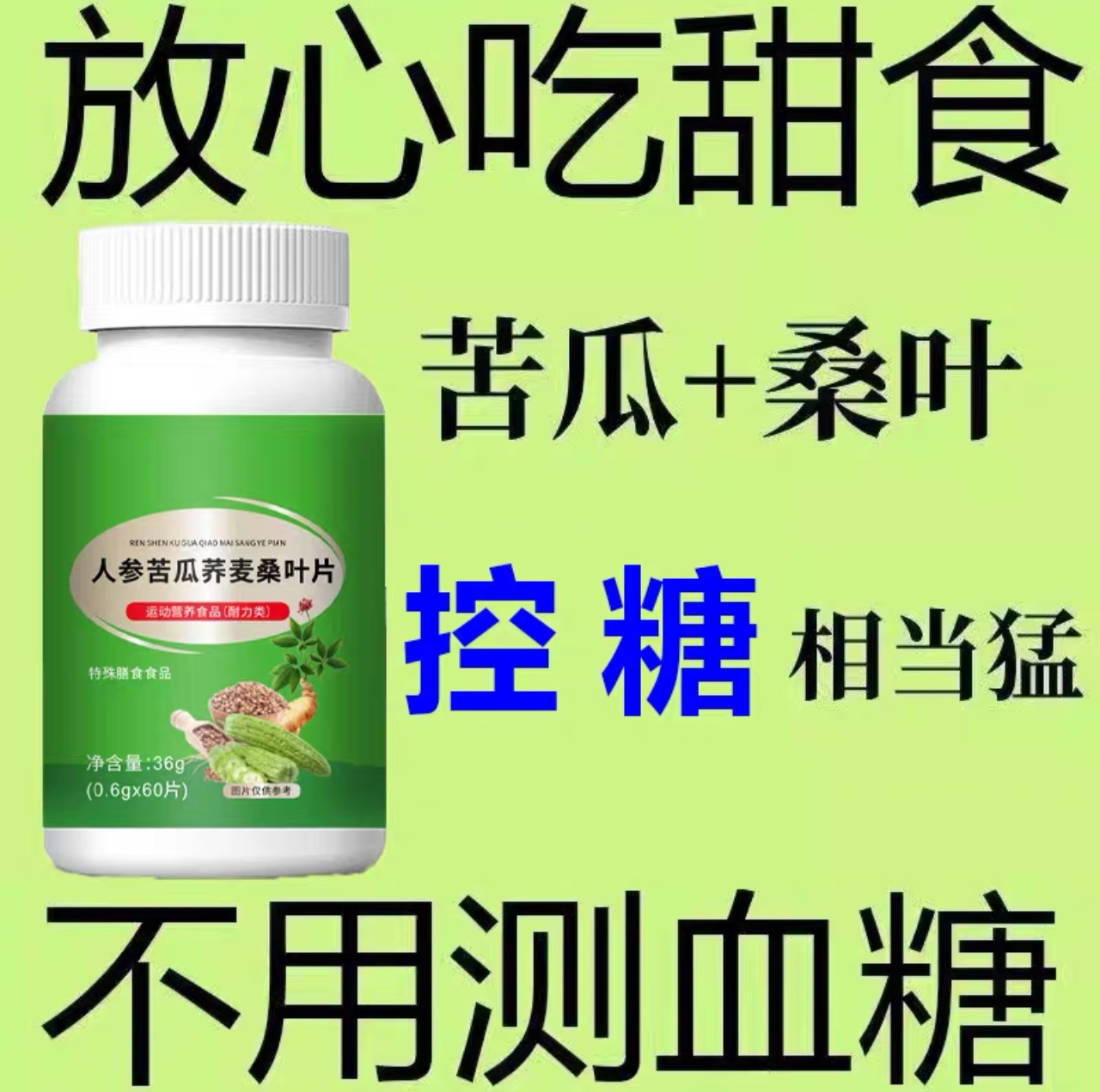
Core Viewpoint - A product named "Ginseng Bitter Melon Buckwheat Mulberry Leaf Tablets" is being marketed as a "miracle drug" for diabetes, misleading elderly patients into purchasing it, which may delay proper treatment [1][5]. Group 1: Product Misrepresentation - The product is not a medication but a type of endurance sports nutrition food, with its first three ingredients being glucose, maltodextrin, and corn starch, which are all sugar-raising components [1][11]. - The product has sold 32,000 bottles, indicating a significant market presence and consumer interest [8][9]. Group 2: Marketing Tactics - The marketing strategy includes one-on-one targeted promotions, where products are sent in locked boxes, encouraging consumers to contact so-called "sugar control experts" who falsely claim to be affiliated with reputable hospitals [1][11]. - These "experts" use deceptive tactics, such as discrediting prescription diabetes medications and promoting high-priced products as cures for diabetes [1][5]. Group 3: Legal and Ethical Concerns - There are strict regulations in China regarding the labeling and advertising of food products, which prohibit false claims about disease prevention or treatment [17]. - Medical professionals emphasize that dietary management cannot replace medication for diabetes treatment, warning against the dangers of relying on such products [17].

进口“控糖饮”涉嫌虚假宣传追踪:下架再上架 控糖饮虚假宣传卷土重来
Xin Lang Cai Jing· 2025-12-21 18:36
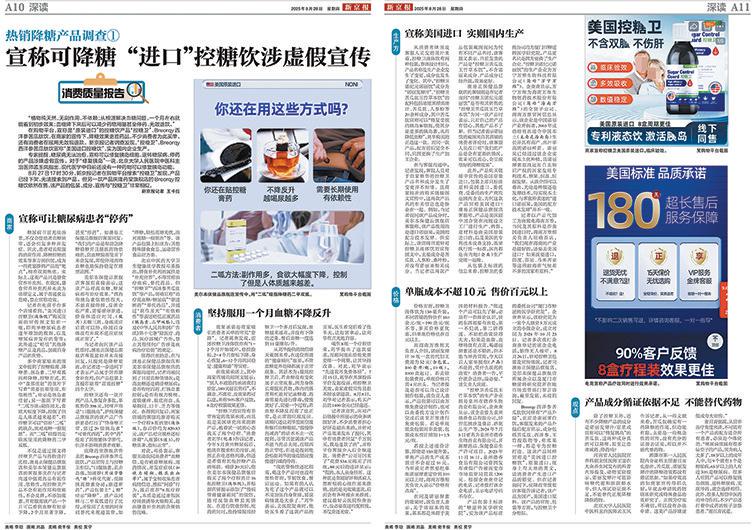
Core Viewpoint - The article highlights the issue of false advertising in the health food sector, particularly regarding products claiming to lower blood sugar levels, which have been found to mislead consumers, especially those with diabetes [1][7][15]. Group 1: Product Claims and Regulatory Actions - Several products, including "控糖卫液体饮" and "Breorqy西洋参苦瓜饮," were initially taken off the market due to false claims about their blood sugar-lowering effects, but some have reappeared with similar claims [1][8]. - The Xiamen Market Supervision Administration has initiated investigations into the companies involved, citing violations of false advertising laws and has ordered the removal of misleading product listings [7][9]. - Despite regulatory actions, products like "控糖卫低聚糖人参复合多肽片" have been found back on sale, continuing to make unverified health claims [8][10]. Group 2: Misleading Certifications and Testing - The article discusses how some companies are using dubious third-party certifications to validate their products' health claims, which are not legally permissible for ordinary food items [12][15]. - A specific case involves "庆隆药堂," which has been found to use a questionable certification from a company with insufficient credentials to support its claims of blood sugar-lowering effects [11][12]. - Experts have indicated that while some ingredients like bitter melon may have limited effects on blood sugar, the claims made by these products lack sufficient scientific evidence and should not replace medical treatments [8][15]. Group 3: Market Response and Consumer Awareness - The article notes that many similar products continue to be marketed with claims of lowering blood sugar, indicating a persistent issue in consumer protection within the health food market [10][15]. - The ongoing investigations and regulatory scrutiny highlight the need for greater consumer awareness regarding the validity of health claims made by food products [9][15].
谷掌柜下架多款产品,删除78处宣传内容丨消费质量年终回访⑫
Bei Ke Cai Jing· 2025-12-19 03:33
Core Viewpoint - The company "谷掌柜" has faced allegations of misleading advertising and false claims regarding its camel milk products, leading to a recall and refund process for affected consumers [1][5][6]. Group 1: Product Misrepresentation - Consumers reported that "谷掌柜骆驼奶片" contained only 2% camel milk powder, with the primary ingredient being whole milk powder, which misled them regarding the product's actual composition [1][2]. - The company admitted that the actual camel milk powder content ranged from 2% to 10%, while the main ingredient was whole milk powder sourced from cow's milk [5][6]. Group 2: Misleading Claims and Advertising Violations - The company promoted its products with claims such as "brain-boosting" and "height enhancement" for children, which are considered misleading and violate food safety regulations [3][4][6]. - Legal experts indicated that ordinary food products cannot make health claims, and the company's advertising practices could be classified as false advertising [4][6]. Group 3: Company Response and Remedial Actions - Following the allegations, the company initiated a comprehensive self-inspection, leading to the immediate recall of the problematic products and a commitment to refund consumers [5][7]. - The company has implemented a three-tier review process for promotional materials and has begun training for its customer service and nutrition consultant teams to ensure compliance with advertising laws [7][8].
普通食品≠药品 不能治病!消费提示来了
Yang Shi Xin Wen· 2025-08-06 06:14
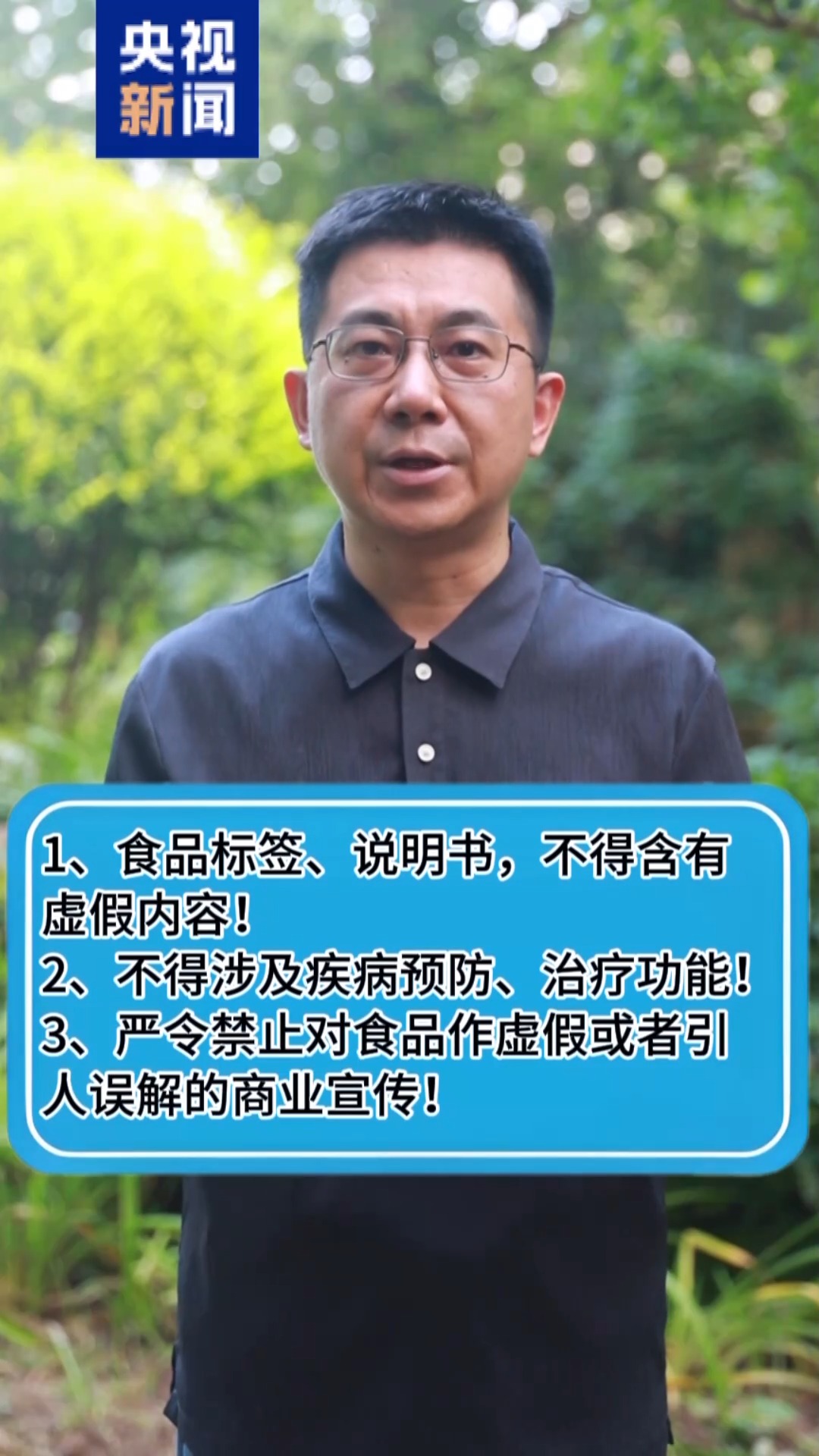
Core Viewpoint - The article emphasizes the importance of consumer awareness regarding false advertising in the food industry, particularly concerning health claims made by certain products that are not classified as health foods [1][5]. Group 1: Regulatory Framework - The relevant laws in China clearly state that food labels and instructions must not contain false information and cannot claim disease prevention or treatment functions [5]. - There is a strict prohibition against misleading commercial advertising for food products, including claims of health benefits [5]. Group 2: Consumer Guidance - Consumers are advised to be skeptical of any claims that suggest food products have health benefits, especially those promoted through informal channels like social media or word of mouth [5]. - When purchasing health food products, consumers should look for the "blue hat" symbol, which indicates proper registration and compliance [11]. - It is recommended to buy health food products from reputable online platforms and physical stores, ensuring to request receipts or proof of purchase [11]. Group 3: Reporting Violations - Consumers are encouraged to report any illegal or misleading marketing practices related to food products by calling the complaint hotline 12315 [8].