保险+养老服务

Search documents
中国平安AH股齐涨超3%,政策东风频吹
Ge Long Hui A P P· 2026-03-17 02:37
Group 1 - Insurance stocks experienced a strong rally, with China Ping An's A-shares rising by 3.6% to 62.66 yuan and H-shares increasing by 3.45% to 64.4 HKD [1] - The Financial Regulatory Bureau emphasized enhancing financial services for the real economy and developing a catastrophe insurance system, along with promoting commercial health insurance and long-term care insurance [1] - The 2026 government work report outlines several insurance development goals, including measures to promote agricultural insurance, policies for flexible employment insurance participation, and the development of health insurance products that meet diverse medical needs [1] Group 2 - JPMorgan's recent report highlights that China Ping An's management confidence in the 2026 life insurance sales outlook and core profit growth will be key catalysts, supported by attractive valuations [2] - Risk management measures are crucial for maintaining solvency capital and profit resilience, ensuring the company remains robust amid cyclical fluctuations [2] - JPMorgan maintains its forecast for China Ping An's after-tax operating profit at 130 billion yuan, with an expected dividend of 2.73 yuan, and sets a target price of 100 HKD for the stock, rating it as "overweight" [2]

爱心人寿张延苓:长寿时代 保险产品的创新要符合生命规律
Sou Hu Wang· 2025-12-08 07:10
Core Insights - The release of the "China Life Insurance Industry Experience Life Table (2025)" is a significant step for the insurance sector, set to be implemented on January 1, 2026, and reflects the profound changes in population structure and longevity trends [1] - The new life table indicates that China is entering an era of longevity, which brings challenges such as extended retirement payment periods and increased risks of chronic diseases and disabilities, necessitating scientific risk management and planning for health and retirement [1][2] - The insurance industry must innovate product offerings to cater to high-risk groups, including the elderly and those with pre-existing conditions, integrating health management and retirement services into comprehensive solutions [1][2] Company Initiatives - Aixin Life has focused on preventive healthcare management over the past two years, launching various health management plans aimed at providing effective coverage for underrepresented groups, particularly the elderly and those with chronic illnesses [2] - The company has introduced several key health management products, such as a comprehensive cancer prevention plan and specific medical coverage plans for high-risk groups, which have lower underwriting thresholds, allowing access for individuals over 75 and those with health issues [2] - Aixin Life's health management initiatives aim to shift the focus from disease treatment to health management, creating a closed-loop service that includes screening, expert consultations, and insurance coverage, thereby reducing the likelihood of disease occurrence [2][3] Industry Perspective - The arrival of the longevity era is prompting the insurance industry to redefine its role, emphasizing that insurance is not just about post-event compensation but also about comprehensive risk management throughout the life cycle [3] - The insurance sector is seen as a crucial support for the state in addressing aging populations, and companies must develop effective strategies to manage long-term payout risks [3] - Aixin Life is committed to meeting the genuine needs of the public by launching high-quality insurance products that transform the challenges of the longevity era into tangible benefits for the community [3]
广州国企巨头,拿下关键牌照
Shang Hai Zheng Quan Bao· 2025-10-14 11:53
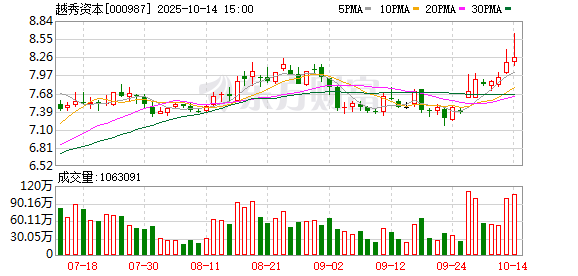
Core Insights - Yuexiu Group has completed the acquisition of Hong Kong Life Insurance for HKD 1.768 billion, marking the largest insurance company acquisition in Hong Kong in 2024 [2][4] - The acquisition allows Yuexiu Group to strengthen its financial services in Hong Kong and support the local economy [2][5] Acquisition Details - The acquisition was finalized on October 9, 2025, after receiving regulatory approval on September 25, 2025 [2][3] - Yuexiu Group now indirectly holds 83.33% of Hong Kong Life Insurance through its wholly-owned subsidiary, Yuexiu Insurance (Holdings) Limited [3] Strategic Considerations - The acquisition fills a critical gap in Yuexiu Group's financial portfolio by obtaining a life insurance license, positioning the company as a comprehensive financial holding group [4][5] - Hong Kong Life Insurance has a total asset of approximately HKD 14.3 billion and reported a premium income of HKD 430 million, ranking 18th among 50 life insurance companies in Hong Kong [4] Financial Performance - Hong Kong Life Insurance reported net losses of HKD 512 million and HKD 488 million for the years 2022 and 2023, respectively, but turned a profit of HKD 31.58 million in 2024 [4] Future Plans - Yuexiu Group plans to inject HKD 1 billion into Hong Kong Life Insurance to enhance its capital strength and develop new products, particularly in the areas of elderly care and health services [8] - The company aims to leverage its expertise in banking, insurance, and investment to foster innovation in financial and insurance services [8] Market Context - The Hong Kong insurance market has shown signs of recovery, with new single premium income reaching HKD 133.8 billion in 2024, 36.2% of which came from mainland visitors [6] - The acquisition aligns with the trend of mainland customers increasingly favoring Hong Kong insurance products, particularly in the Greater Bay Area [6]

家变“微型养老院”,居家养老如何“可望又可及”?
3 6 Ke· 2025-05-01 03:01
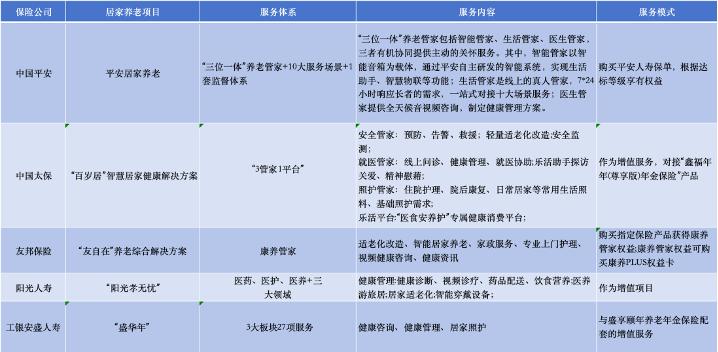
Core Viewpoint - The future of home-based elderly care services in China is expected to become a competitive market similar to the elder care community sector five years ago, but it currently faces three major bottlenecks: unclear profit models, insufficient care services, and the need for industry standards [1][3][5]. Market Overview - As of 2024, the population aged 60 and above in China is projected to reach 310 million, accounting for 22% of the total population, with those aged 65 and above reaching 220 million, or 15.6% [4]. - The current elderly care system in China follows a "9073" model, where 90% of elderly care is home-based, yet less than 1% of the elderly reside in care institutions [2]. Industry Trends - The demand for home-based elderly care is increasing due to the aging population, with a significant shift towards community and home care services [3][5]. - Insurance companies are increasingly entering the home-based elderly care market, adopting a light-asset model to avoid the heavy competition in elder care communities [2][5]. Government Support - The Chinese government has issued multiple policies to promote the development of home-based elderly care services, emphasizing community support and the enhancement of care for disabled elderly individuals [2][5]. Insurance Companies' Strategies - Over 20 insurance companies, including China Ping An and China Taiping, are actively exploring home-based elderly care services, utilizing models such as "insurance + service" and long-term care insurance [2][5][6]. - China Ping An launched its home-based elderly care service brand "Ping An Butler" in September 2022, covering over 85 cities and serving more than 190,000 clients by the end of 2024 [6]. Challenges in the Sector - The home-based elderly care sector faces significant challenges, including a shortage of qualified caregivers, with a reported gap of 5.5 million caregivers needed [17]. - The lack of standardized services and quality control in home care presents difficulties in meeting diverse elderly needs [18][19]. Future Outlook - The home-based elderly care market is expected to experience explosive growth, with projections indicating that the market could exceed 50 billion yuan by 2026, and the overall commercial elderly care market could surpass 200 billion yuan [8]. - Insurance companies are anticipated to integrate home-based elderly care services into their sales systems, driven by the increasing demand for such services [16].