保险资产负债管理

Search documents
保险资产负债管理新规解读及AI赋能险企资负匹配
2025-12-25 02:43
Summary of Key Points from the Conference Call Industry Overview - The conference call discusses the new regulatory framework for insurance asset-liability management in China, set to be implemented by December 2025, which aims to enhance risk management and compliance within the insurance industry [1][5][11]. Core Insights and Arguments - **Regulatory Changes**: The new regulations emphasize quantitative and capability assessments, requiring insurance companies to report their asset-liability matching status quarterly, including cost-benefit matching, term matching, and cash flow matching [6][11]. - **Principles of Management**: The new rules introduce four key principles: comprehensive coverage, reasonable matching, prudent stability, and coordinated management, mandating that all assets and liabilities, including financial derivatives, be included in the asset-liability management [1][9]. - **Organizational Structure**: Insurance companies must establish a governance structure led by the board of directors and senior management, with an independent asset-liability management department to ensure compliance and effective management [9][23]. - **Long-term Assessment Mechanism**: A long-term assessment mechanism will be introduced, focusing on stress testing, including scenario testing and reverse stress testing, to enhance risk management capabilities [1][9]. Changes in Asset Allocation - **Shift in Investment Strategy**: There is a notable shift towards longer-duration assets, particularly in life insurance companies, which have increased their allocation to interest-bearing securities like long-term government bonds [13][22]. - **Equity Asset Allocation**: As of September 2025, the proportion of equity assets in the industry reached a historical high of 23.4%, with a significant increase in stock investments from 23 trillion to 36 trillion yuan from June 2024 to June 2025 [14][21]. - **Alternative Assets**: Alternative assets such as REITs, ABS, and commodities are expected to play a crucial role in diversifying risks and enhancing risk-adjusted returns [4][16]. AI Empowerment in Asset-Liability Management - **Efficiency and Decision-Making**: AI technologies are being leveraged to optimize decision-making processes, enhance management efficiency, and improve risk assessment through data analysis and predictive modeling [4][17][20]. - **Real-time Monitoring**: AI can facilitate real-time monitoring of market changes and their impacts on financial conditions, allowing for timely strategy adjustments [8][17]. Potential Risks and Compliance Issues - **Regulatory Compliance**: The new regulations impose stricter compliance requirements, including the introduction of hard regulatory indicators for life insurance companies, which could lead to administrative penalties for non-compliance [11][12][10]. - **Market Volatility**: The high equity allocation in Chinese insurance companies may lead to greater volatility in financial statements compared to their Western counterparts, particularly in response to interest rate changes [21]. Conclusion - The new regulatory framework is expected to significantly impact the insurance industry in China, promoting a shift towards more prudent asset-liability management practices, enhancing risk management capabilities, and encouraging diversification in investment strategies [1][11][12].
保险业资产负债管理需提升
Jing Ji Ri Bao· 2025-12-23 22:58
Core Viewpoint - The National Financial Supervision Administration has released a draft for public consultation on the "Asset-Liability Management Measures for Insurance Companies," emphasizing the importance of effective asset-liability management for sustainable operations in the insurance industry [1] Group 1: Regulatory Framework - Since 2018, multiple regulatory rules have been established to create a framework for asset-liability management and supervision tailored to the characteristics of the domestic insurance industry [1] - Insurance companies are required to take primary responsibility for asset-liability management, adhering to principles of comprehensive coverage, reasonable matching, prudent management, and coordinated planning to mitigate asset-liability mismatch risks [1] Group 2: Management Practices - Insurance companies must define their asset-liability management policies and procedures, develop management plans, and enhance asset-liability linkage in business planning, product development, and major investments [1] - Regular stress testing and back-testing should be conducted, with timely adjustments made to asset-liability management strategies based on periodic reports [1] Group 3: Market Conditions - The dual fluctuations in interest rates are crucial for effective asset-liability management, as these fluctuations significantly impact both the asset and liability sides of insurance companies [2] - The past decade has seen increased frequency and magnitude of interest rate fluctuations globally, necessitating dynamic adjustments in asset-liability structures to lower costs and enhance returns [2] Group 4: Risk Management - As the asset scale of the insurance industry continues to rise, the correlation between insurance assets and those of banks and non-bank financial institutions is increasing, leading to higher credit risks due to lower transparency and greater volatility in underlying asset quality [2] - Regulatory measures are needed to strengthen capital requirements for solvency and leverage constraints on large risk exposures to prevent insurance companies from blindly increasing risk appetite for short-term gains [2] Group 5: Industry Collaboration - Effective asset-liability management requires dedication and expertise from management, as well as wisdom and responsibility from industry regulators [3] - In light of external environmental changes and the internal demands for high-quality development, a collaborative approach is necessary to innovate theories, improve systems, and clarify regulations [3]
引导险企加强保险业资产负债管理 金融监管总局拟设立多项监管指标
Zhong Guo Jing Ying Bao· 2025-12-22 07:20
Core Viewpoint - The National Financial Regulatory Administration has released a draft for public consultation on the "Insurance Company Asset-Liability Management Measures," aimed at enhancing asset-liability management capabilities and regulatory oversight in the insurance industry [1][2]. Group 1: Regulatory Context - Effective asset-liability management is fundamental for the sustainable operation of insurance institutions, with significant changes in both external and internal conditions necessitating new requirements for asset-liability management [1]. - The 2024 State Council document emphasizes the need for strengthened asset-liability linkage regulation, which the draft measures aim to implement [1]. Group 2: Key Contents of the Draft Measures - The draft consists of 5 chapters and 51 articles, focusing on clarifying asset-liability management goals and principles, establishing governance structures, and defining policies and procedures [3]. - Insurance companies are required to take primary responsibility for asset-liability management, adhering to principles of comprehensive coverage, reasonable matching, prudent stability, and coordinated planning [3]. - The governance structure mandates that the board of directors holds ultimate responsibility, with senior management leading and various departments collaborating [3]. - Insurance companies must develop asset-liability management plans that integrate business planning, product development, pricing, and investment strategies, including conducting stress tests and regular reporting [3]. - New regulatory and monitoring indicators will be established, with thresholds defined and differentiated warning zones set for risk alerts [2][3]. - Enhanced supervision will include requirements for information reporting, third-party audits, and capability assessments, with regulatory actions possible based on circumstances [3].
保险资产负债管理全面升级
HTSC· 2025-12-21 13:58
Investment Rating - The report maintains an "Overweight" rating for the insurance industry, indicating an expectation that the industry stock index will outperform the benchmark [2]. Core Insights - The report highlights the release of the draft "Insurance Company Asset-Liability Management Measures," which aims to enhance regulatory requirements and address potential mismatches in asset-liability management within the insurance sector [5][10]. - The new regulations emphasize the importance of governance structures, requiring boards to take ultimate responsibility for asset-liability management and establishing dedicated committees and departments to ensure effective execution [6]. - The draft introduces quantitative regulatory indicators for duration and yield, which may significantly impact the operational behavior of life insurance companies, particularly in the context of low interest rates [8][10]. Summary by Sections Regulatory Framework - The draft measures provide a comprehensive regulatory framework focusing on risk prevention, covering the entire asset-liability chain with a dual-layer structure of quantitative and monitoring indicators [10]. - Key regulatory indicators for life insurance companies include effective duration gap (not exceeding 5 years), comprehensive investment yield coverage ratio (minimum 100%), and liquidity coverage ratio under stress scenarios (minimum 100%) [10][11]. Governance and Management - The draft mandates that asset-liability management be central to the operational management of insurance companies, reshaping governance structures to enhance accountability and performance assessment [6]. - It requires the establishment of an independent asset-liability management department, free from interference by business and investment divisions, to ensure effective implementation [6]. Asset-Liability Interaction - The draft specifies that product planning on the liability side must consider changes in asset forms and the requirements for asset-liability matching, assessing the impact of significant changes in product structures and policies [7]. - It also emphasizes the need for an asset-liability management information system that aligns with the complexity of the business [7]. Investment Performance - The report notes that listed insurance companies are likely to meet the effective duration gap requirements, while smaller companies may face challenges [13]. - It provides insights into the investment yield performance of various listed insurance companies, indicating that companies like Sunshine and Ping An have higher net investment yields due to their substantial equity allocations [16][19].
金融监管总局拟设多项监管指标完善险企资产负债管理 引导保险公司长期经营 培育耐心资本
Zheng Quan Shi Bao· 2025-12-19 17:33
Core Viewpoint - The Financial Regulatory Administration has publicly solicited opinions on the draft "Asset-Liability Management Measures for Insurance Companies," which aims to enhance the asset-liability management framework and regulatory indicators in the insurance industry [1][2]. Group 1: Regulatory Framework - The draft measures establish key regulatory indicators such as effective duration gap, comprehensive investment income coverage ratio, net investment income coverage ratio, idle funds coverage ratio, and liquidity coverage ratio under stress scenarios [1]. - Since 2018, the regulatory authorities have issued several rules to build a regulatory framework for asset-liability management tailored to the characteristics of the domestic insurance industry [1]. Group 2: Regulatory Indicators and Monitoring - The draft measures incorporate new accounting standards and solvency rules, setting thresholds for asset-liability regulatory indicators and introducing additional monitoring indicators with differentiated warning zones [2]. - The net investment income coverage ratio is included as a regulatory indicator for life insurance companies, reflecting the stability of investment income relative to guaranteed benefits owed to clients [2]. - The Financial Regulatory Administration emphasizes that companies failing to meet the established thresholds will face regulatory actions, and the calculation methods for these indicators have been optimized [2].
中国太保副总裁、首席投资官苏罡: 保险资产负债管理 必须“以产品为原点”
Zheng Quan Shi Bao· 2025-12-04 22:14
Core Viewpoint - The insurance industry in China is facing both opportunities and challenges due to the prolonged low interest rate environment, which poses risks related to interest rate spreads and necessitates improved asset-liability management strategies [2][3]. Group 1: Challenges and Regulatory Environment - One of the main challenges for the insurance industry is the continuous decline in interest rates, which affects the pricing of insurance products and the cost of liabilities, leading to potential risks in interest rate spreads [2][3]. - The "New National Ten Articles" issued by the State Council emphasizes the need for enhanced asset-liability linkage regulation and the establishment of mechanisms for interest rate transmission and liability cost adjustment [2]. Group 2: Asset-Liability Management Strategies - The characteristics of insurance funds require long-term matching, as approximately 90% of insurance assets are derived from policy liabilities, necessitating a focus on long-term asset management [3]. - The core of asset-liability management is to allocate long-term funds to assets that can withstand shocks from interest rates, credit, and liquidity, ensuring financial goals and regulatory compliance are met [3][4]. - Traditional asset allocation strategies are no longer viable; the industry must explore new asset-liability management and allocation strategies to find long-term logic that can endure economic cycles [3][4]. Group 3: Principles and Optimization of Asset Allocation - Insurance asset-liability management should adhere to three principles: safety, profitability, and liquidity, to achieve cost-revenue matching, term structure matching, and cash flow matching [4]. - Continuous optimization of asset allocation is essential, with a focus on long-term interest rate bonds in fixed income, a core strategy of dividend value in equity, and active investment in alternative assets such as equity, mezzanine, and REITs [5]. Group 4: Cost Management and Technological Integration - On the liability side, efforts should be made to reduce costs, optimize structures, and increase flexibility, including lowering new policy interest rates and adopting designs that encourage clients to accept yield fluctuations [5]. - The company aims to enhance its resilience to economic cycles through precise risk control and operational efficiency using technology [5]. Group 5: Investment Philosophy and Internationalization - The investment philosophy of the company is centered on value, long-term, and responsible investing, with a "barbell" allocation structure balancing fixed income, public equity, and alternative assets [5]. - The company is also exploring new investment areas, including active allocation in gold assets based on long-term logic and gradually advancing internationalization with Hong Kong as a hub [5].



中国太保副总裁苏罡:保险资产负债管理必须“以产品为原点”
券商中国· 2025-12-02 06:50
Core Viewpoint - The insurance industry is facing significant challenges and opportunities due to the prolonged low interest rate environment, which impacts the asset-liability management strategies of insurance companies [2][4]. Group 1: Challenges and Opportunities - The low interest rate environment has led to a potential risk of interest spread loss for the life insurance sector, necessitating enhanced asset-liability management capabilities to meet internal needs and regulatory requirements [2][4]. - The "New National Ten Articles" issued by the State Council emphasizes the need for improved asset-liability linkage regulation and optimization of asset allocation structures [4]. Group 2: Asset-Liability Management Strategies - The core of asset-liability management is to allocate long-term funds to assets that can withstand shocks from interest rates, credit, and liquidity, ensuring financial goals and regulatory compliance are met [4][5]. - The traditional asset allocation strategies are no longer viable; a new approach is required to navigate the current market conditions characterized by compressed credit spreads and scarce high-quality non-standard assets [4][5]. Group 3: Principles of Asset-Liability Management - The asset-liability management should adhere to three principles: safety, profitability, and liquidity, to achieve cost-revenue matching, term structure matching, and cash flow matching [5]. - There is a need for collaboration between the asset and liability sides, with a focus on product-centric asset-liability management mechanisms [5]. Group 4: Investment Strategies - China Pacific Insurance's investment philosophy emphasizes value, long-term, and responsible investing, utilizing a "barbell" strategy to balance fixed income, public equity, and alternative assets [6]. - The company is exploring new investment areas, including proactive allocation to gold assets and gradual international expansion centered around Hong Kong [6].

中国太保苏罡:传统配置策略面临巨大挑战,保险资产负债管理必须“以产品为原点”
Xin Lang Cai Jing· 2025-11-20 10:38
Core Viewpoint - The 19th Shenzhen International Financial Expo and the 2025 China Financial Institutions Annual Conference highlighted the importance of asset-liability management in the insurance industry, emphasizing the need for long-term strategies in a low-interest-rate environment [1]. Group 1: Asset-Liability Management - Insurance funds are primarily driven by policy liabilities, with approximately 90% originating from these liabilities, necessitating long-term management of funds [1]. - The characteristics of liabilities include rigid cash flow and high cost stickiness, which require careful management of the asset side to ensure sustainable returns [1]. Group 2: Investment Strategies - In a low-interest-rate cycle, traditional investment strategies face pressure on both ends, leading to persistent reinvestment risks, thus necessitating the search for long-term investment logic [1]. - The asset allocation should focus on safety, profitability, and liquidity, adhering to the principles of asset-liability management [1]. Group 3: Cost Management - The liability side should focus on reducing costs, optimizing structure, and increasing flexibility, which includes measures such as actively lowering new policy preset interest rates to reduce rigid costs [1]. - Optimizing the interest source structure is essential to lower costs associated with liabilities [1].
中国太保苏罡:传统配置策略面临巨大挑战,保险资产负债管理必须 “以产品为原点”
Zheng Quan Shi Bao Wang· 2025-11-20 09:30
Core Viewpoint - The traditional investment strategies face significant challenges in a low-interest-rate environment, necessitating a return to asset-liability management principles to navigate through interest rate cycles [1][2] Group 1: Asset-Liability Management Principles - The core of asset-liability management is to allocate long-term funds into assets that can withstand interest rate, credit, and liquidity shocks, ensuring financial goals, customer protection, and regulatory compliance are maintained [1] - The three principles of asset-liability management emphasized are safety, profitability, and liquidity, which should guide the investment strategies [2] Group 2: Challenges and Strategies - In a low-interest-rate cycle, traditional investment strategies are under pressure, with reinvestment risks persisting, highlighting the need for long-term logic that transcends cycles [2] - The liability side requires continuous efforts to reduce costs, optimize structure, and increase flexibility, including measures such as lowering new policy preset interest rates and optimizing interest source structures to mitigate potential risks from declining rates [2]
低利率环境下保险机构资产负债管理和大类资产配置研究
Xin Hua Cai Jing· 2025-10-16 18:08
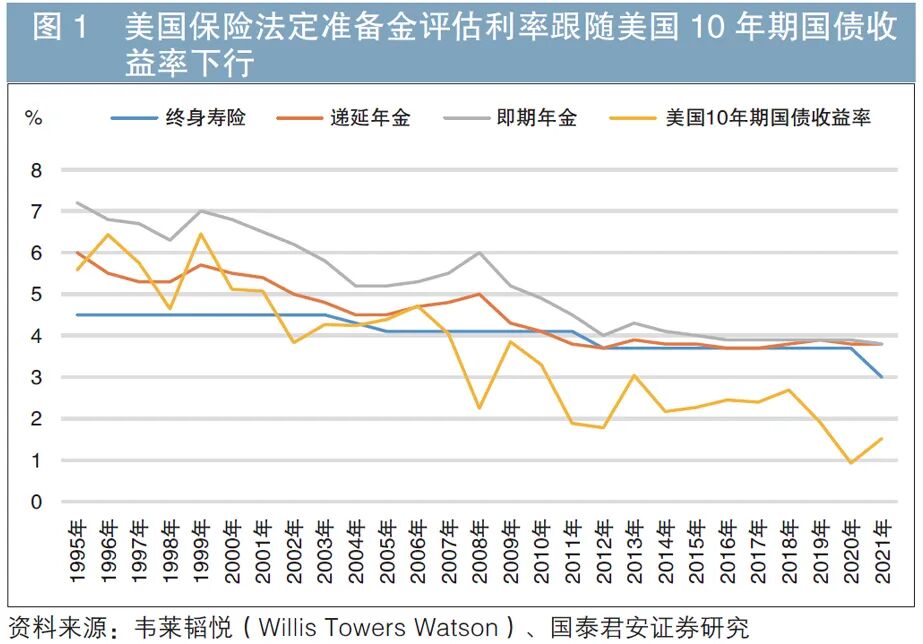
Core Viewpoint - The insurance industry is facing significant challenges in asset-liability management due to a prolonged low interest rate environment, which has led to declining yields on assets and increasing pressure from liability costs [1][9]. Group 1: Importance of Asset-Liability Management - Asset-liability management is a strategic process that plays a crucial role in the stable development and risk prevention of insurance companies [2]. - The healthy development of the insurance industry is essential for providing risk protection and stable long-term funding for the economy [3]. Group 2: Risk Management and Value Growth - Insurance companies must manage various risks, including interest rate risk and liquidity risk, to ensure their survival and growth [4]. - Effective asset-liability management can help insurance companies predict and manage risks, ensuring they have sufficient resilience during risk exposure [4]. Group 3: Performance Improvement and Dual-Driven Model - The traditional asset-liability management framework driven by liabilities needs to shift to a dual-driven model to achieve performance growth in a low-interest, high-competition environment [5]. - Companies should strategically allocate assets based on liability characteristics to stabilize investment returns and optimize product structures to reduce liability costs [5]. Group 4: Regulatory Requirements and Overview - In 2018, regulatory bodies introduced rules to enhance asset-liability management capabilities and prevent mismatches in the insurance industry [6]. - The insurance industry has seen a narrowing of interest spread, prompting companies to adjust their product offerings to manage liability costs effectively [7]. Group 5: Challenges in Asset-Liability Management - The continuous decline in long-term interest rates directly impacts the investment returns of insurance companies, making it difficult to meet long-term return targets [9]. - The scarcity of high-quality non-standardized debt assets increases reinvestment risks for insurance companies [10]. Group 6: International Practices in Low-Interest Environments - Foreign insurance companies have adjusted their product structures to increase the proportion of interest-sensitive products, thereby alleviating liability cost pressures [15]. - The U.S. insurance industry has seen a significant increase in the share of equity investments to enhance potential returns [17]. Group 7: Domestic Practices and Recommendations - Domestic insurance companies are adopting a "barbell" asset allocation strategy to manage reinvestment risks while increasing equity asset allocations [19]. - Companies are encouraged to strengthen their asset-liability management foundations and optimize strategies to enhance investment returns and reduce liability costs [20][21].