信贷市场投资

Search documents
从加密狂潮到做空日债:复盘2025年令市场“心跳停止”的十一大押注
智通财经网· 2025-12-29 03:44
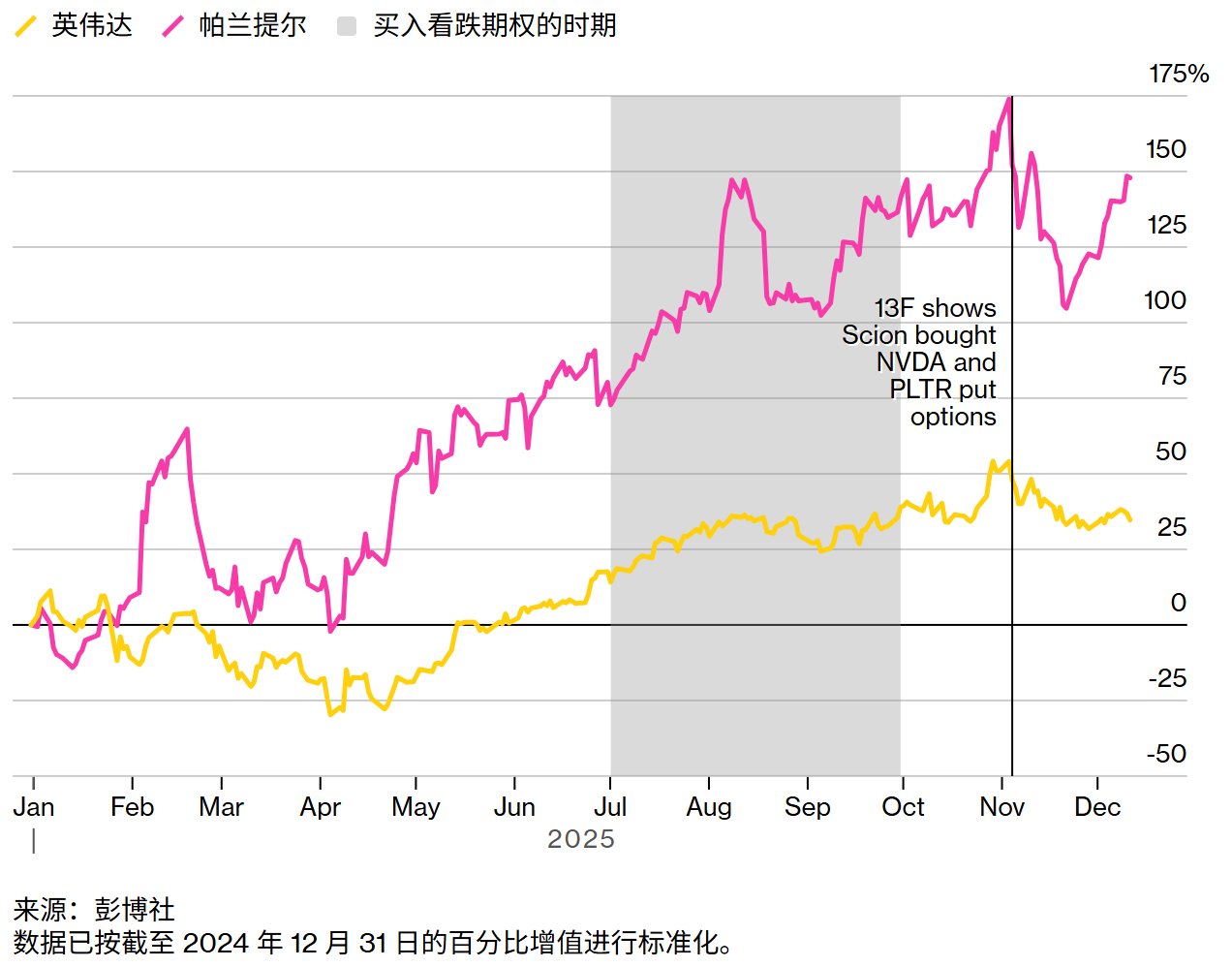
Group 1: Cryptocurrency and Political Influence - The year 2025 saw a surge in speculative trading linked to Donald Trump's brand, particularly in the cryptocurrency sector, with significant investments in assets associated with him [1][2] - Trump's family launched various tokens, including a meme coin and Melania Trump's own token, which experienced dramatic price declines by the end of the year, with some down nearly 99% [2][3] - Despite political momentum, these assets could not escape the fundamental volatility of the cryptocurrency market, highlighting the risks of speculative trading [1][3] Group 2: AI Stocks and Short Selling - Scion Asset Management disclosed protective put options on Nvidia and Palantir, signaling skepticism about their high valuations amid a market driven by AI hype [1][4] - The put options had strikingly low strike prices compared to the stocks' closing prices, indicating a bearish outlook from a well-known investor, Michael Burry [3][4] - This move reflects underlying doubts about the sustainability of AI-driven market gains, suggesting potential for significant market corrections [3][4] Group 3: European Defense Stocks - European defense stocks surged due to geopolitical shifts, with companies like Rheinmetall and Leonardo seeing year-to-date gains of approximately 150% and over 90%, respectively [6][8] - Investment managers, previously hesitant to engage with defense stocks, have now revised their strategies to include these assets, indicating a paradigm shift in investment focus [6][10] - The demand for defense-related investments has extended into the credit market, with new financial instruments being created to support military spending [6][10] Group 4: Gold and Inflation Hedge - The narrative of "devaluation trading" emerged as investors sought refuge in gold and cryptocurrencies amid concerns over national debts and inflation, leading to record highs for both assets [10][11] - This trend reflects a complex interplay between macroeconomic fears and the demand for safe-haven assets, with gold reaching unprecedented levels [10][11] - The market dynamics suggest that while fears of devaluation persist, strong demand for secure assets can coexist with broader economic uncertainties [10][11] Group 5: South Korean Stock Market - The South Korean stock market experienced a remarkable rise, with the Kospi index climbing over 70% in 2025, driven by government policies aimed at revitalizing the capital market [12][14] - Despite the impressive performance, local retail investors remained skeptical, opting to invest heavily in U.S. stocks instead, indicating a disconnect between foreign and domestic investor sentiment [12][18] - The government's ambitious target of reaching a Kospi index of 5000 has gained traction among major financial institutions, suggesting potential for continued growth [12][14] Group 6: Japanese Bonds - The Japanese bond market, once considered a "widowmaker," transformed into a profitable short-selling opportunity as yields surged, driven by government spending and interest rate hikes [22][25] - The Bloomberg Japan bond index recorded significant losses, marking it as the worst-performing major bond market globally [22][25] - Investor sentiment remains bearish, with expectations of further rate increases and ongoing fiscal challenges contributing to a negative outlook for Japanese bonds [22][25] Group 7: Credit Market Dynamics - The credit market in 2025 revealed vulnerabilities as several previously reliable borrowers faced significant financial distress, leading to a series of defaults and restructurings [30][31] - Notable cases included companies like Saxo Global and New Fortress Energy, which saw their bond values plummet, raising concerns about the overall health of the credit market [30][31] - The fragmentation of debt holders and the lack of transparency in borrowing practices have heightened risks for investors, prompting warnings from industry leaders [30][31]


信贷市场接棒AI投资!科技巨头掀起发债狂潮
智通财经网· 2025-09-26 01:13
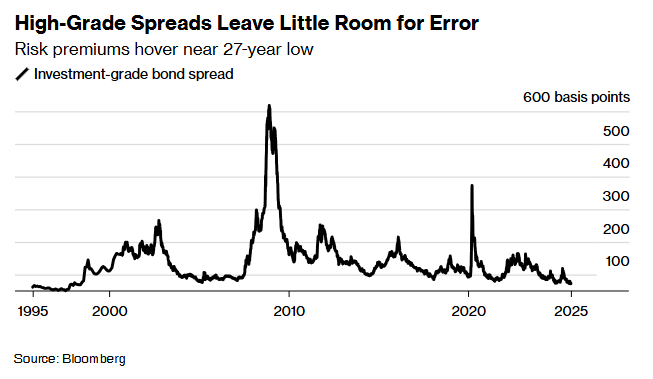
Core Insights - Technology companies are rapidly securing large debt deals to fund their AI ambitions, with a significant increase in bond issuance this year compared to last year [1][2] - Oracle has emerged as a leader in this trend, raising nearly $26 billion in public debt, primarily to invest in data centers and AI infrastructure [1][5] - The demand for investment-grade bonds is exceptionally high, leading to historically low credit spreads, particularly for high-rated tech giants [2][6] Group 1: Debt Issuance Trends - Technology companies have raised approximately $157 billion in the U.S. bond market this year, a 70% increase from the same period last year [1] - Oracle's recent bond issuance was increased from $15 billion to $18 billion due to strong demand, making it the second-largest investment-grade deal this year [5] - Alphabet's bond issuance in April was oversubscribed by seven times, indicating robust investor interest [5] Group 2: Market Dynamics - The influx of investable funds into the tech sector significantly surpasses other industries, with tech companies accounting for 8% of U.S. blue-chip bond issuance, the highest since 2021 [6] - There are concerns that the current AI investment frenzy may resemble the dot-com bubble of the early 2000s, with a study indicating that 95% of companies implementing AI pilot projects have not achieved a return on investment [6][8] - A Bain & Company report predicts that by 2030, AI companies may fall short by approximately $800 billion in revenue compared to the funding needed for expected demand [8] Group 3: Financial Health and Future Outlook - Despite the high levels of debt being raised, companies generally maintain healthy balance sheets, with manageable debt-to-earnings ratios and stable credit ratings [8] - There is an expectation of more bond issuances from tech companies in the remaining part of the year, as many have delayed issuing debt until interest rates decreased [9] - Major tech companies face substantial capital expenditure needs over the next 5 to 10 years, with debt financing being a crucial method to meet these needs [9]