
光伏建筑一体化(BIPV)

Search documents
赛福天新能源转型成效显著,光伏业务成业绩增长主引擎
Jing Ji Guan Cha Wang· 2026-02-14 08:41
Group 1 - The core viewpoint of the article highlights that the company has made significant progress in its transition to the renewable energy sector since late 2022, with the launch of a 5GW TOPCon photovoltaic cell production line in November 2023, achieving an average conversion efficiency of 26.2%, which is industry-leading [1] - The company has expanded downstream through Building-Integrated Photovoltaics (BIPV), with multiple distributed solar projects now connected to the grid, marking a solid step in its clean energy transition [1] Group 2 - For the period from January to September 2025, the company achieved operating revenue of 1.602 billion yuan, representing a year-on-year increase of 55.35%, and a net profit attributable to shareholders of 1.4211 million yuan, up 105.14% year-on-year [2] - The photovoltaic cell business has become the main source of revenue, accounting for 71.21% of total revenue, indicating that the renewable energy sector is driving performance growth [2] Group 3 - As of February 13, 2026, the company's stock price was 9.89 yuan, with a cumulative decline of 1.20% over the past five days and a price fluctuation of 4.70% during that period [3] - The trading volume on that day was 53.6003 million yuan, with a turnover rate of 1.90%, and a net inflow of 196,100 yuan from main funds, although the overall trend remains unclear [3] - The stock price is currently oscillating between a resistance level of 10.29 yuan and a support level of 9.50 yuan [3] Group 4 - Institutional forecasts indicate that the company's net profit is expected to grow by 107.93% year-on-year in 2025, with operating revenue projected to increase by 55.44% [4] - Current institutional ratings are neutral, with no recent research activities and a low proportion of fund holdings, suggesting general market attention is moderate [4]

应对内卷,“十五五”期间广州建筑产业将主动开拓海外市场
Nan Fang Du Shi Bao· 2025-12-26 14:01
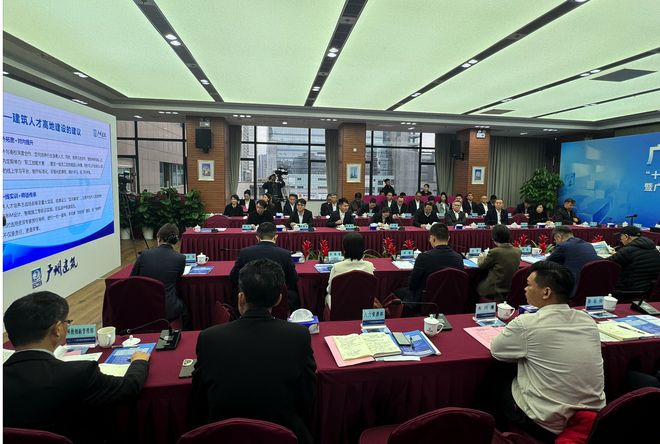
Group 1 - The core viewpoint is that the Guangzhou construction industry must adapt to significant changes in supply and demand as urban development shifts from expansion to quality improvement, with suggestions to reduce costs and explore overseas markets to counter domestic competition [2] - Guangzhou is the first city in China to classify the construction industry as a strategic development sector, aiming to enter the top tier of intelligent construction and industrialized building industries by 2027 and to form a 500 billion yuan industry cluster by 2030 [2] - During the 14th Five-Year Plan period, the focus should be on internal strengthening, risk prevention, and avoiding blind expansion, while actively expanding into Hong Kong and overseas markets to meet the demand for advanced intelligent and industrialized building technologies in Europe and the United States [2] Group 2 - The integration of the construction and energy industries presents a new strategic opportunity, with construction companies encouraged to leverage technologies like Building-Integrated Photovoltaics (BIPV) to transform into zero-carbon city system integrators and operators [3] - Guangzhou Construction Group aims to position itself as an international first-class comprehensive service provider during the 14th Five-Year Plan, focusing on engineering construction and services, with a dual emphasis on industrialized products and urban renewal services, while actively exploring domestic and international markets, particularly in Southeast Asia, Central Asia, and Europe and the United States [3]

方大集团:BIPV组件转化效率突破22.8%,持续深化光伏建筑一体化布局
2 1 Shi Ji Jing Ji Bao Dao· 2025-11-21 01:28
Core Insights - The company has achieved a BIPV component conversion efficiency of over 22.8% [1] - The annual production capacity at the Ganzhou base has reached 1.2 million square meters [1] - The company is focusing on the development of BIPV and distributed photovoltaic power station businesses under the national "dual carbon" strategy [1] Business Developments - The company has signed contracts for projects at the Shenzhen Luhu Center and the Guangzhou Kugou Music Building, both utilizing BIPV technology [1] - These initiatives are expected to inject new momentum and growth drivers for the company's sustainable high-quality development [1]

为“好房子”披上“低碳外衣”,2025绿色建筑高质量发展深圳论坛举行
Sou Hu Cai Jing· 2025-11-15 22:48
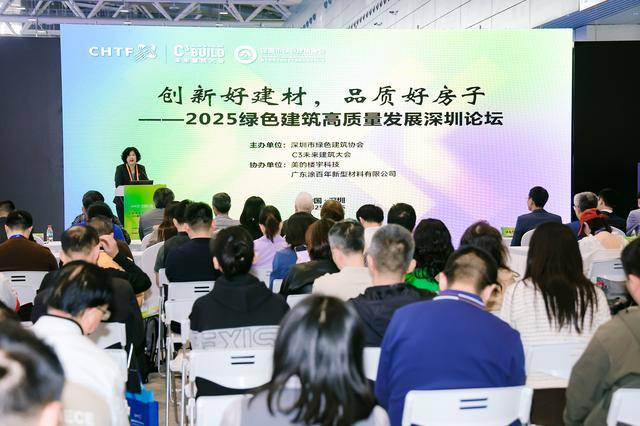
Core Viewpoint - The forum focused on the theme of "Innovative Good Building Materials, Quality Good Houses," emphasizing the importance of green building development in meeting housing demands and enhancing living quality in the new era [1][3]. Group 1: Forum Overview - The forum was organized by the Shenzhen Green Building Association and co-organized by Midea Building Technology and Guangdong Tubaine New Materials Co., Ltd., attracting over 200 industry representatives from various cities [3]. - Key figures, including Wang Xiangyu, Secretary-General of the Shenzhen Green Building Association, and Jian Aisen, President of the Association, delivered opening remarks [3]. Group 2: Key Presentations - Guo Zhenwei from the China Urban Science Research Association discussed the development path of green buildings under carbon neutrality goals and shared the latest standards and practices for low-carbon building evaluation [5]. - Ma Shizhe from the German Sustainable Building Council presented on the integration of sustainable building practices with the "Good House" concept, providing international perspectives for the Guangdong-Hong Kong-Macao Greater Bay Area [5]. - Midea's representative, Pan Yu, showcased how their multi-constant system solutions empower buildings to provide healthy, comfortable, and energy-efficient indoor environments [5]. - Sun Xiaobo from Guangdong Tubaine emphasized the importance of quality coatings in enhancing building durability, health, and aesthetics [5]. - Ma Yinfeng from Kaisa Glass Holdings discussed the significance of Building-Integrated Photovoltaics (BIPV) in reducing carbon footprints and traditional energy reliance [5]. Group 3: Collaborative Initiatives - A signing ceremony took place between the China Urban Science Research Association and the Shenzhen Green Building Association, marking their collaboration on low-carbon building certification in Shenzhen and South China [7]. - The "Shenzhen Green Building Industry Applicable Technology and Product Promotion Directory (2025 Edition)" was released, aimed at promoting excellent green building technologies and products [9].
中国建筑兴业拟9328.8万加元出售加拿大资产
Zhi Tong Cai Jing· 2025-11-06 13:45
Core Viewpoint - The company is selling its Canadian assets through its wholly-owned subsidiary Hygate Property Corp. for CAD 93.288 million, which is seen as a strategic move to enhance cash flow and focus on core business areas [1][2]. Group 1: Asset Sale Details - The assets being sold include all properties and assets related to Canadian operations, excluding certain excluded assets [1]. - The specific assets include land, personal property, transferable licenses, contracts related to Canadian business, prepaid expenses, commercial names, and accounts receivable from lease and service agreements [1]. Group 2: Strategic Rationale - The board believes that the sale represents a good opportunity to realize value from Canadian assets at a reasonable price, thereby enhancing the company's cash flow [2]. - Proceeds from the sale will strengthen the company's working capital and financial stability, laying a solid foundation for future business development [2]. - The divestment will allow the company to focus on its core business areas, particularly high-end glass curtain walls and Building-Integrated Photovoltaics (BIPV), which is expected to drive business breakthroughs and sustainable growth [2].

中国光伏发电应用国家调查报告2024
Sou Hu Cai Jing· 2025-11-03 02:12
Core Insights - The 2024 China Photovoltaic Power Application National Survey Report highlights significant growth in the photovoltaic (PV) industry, with a notable increase in installed capacity and technological advancements [1][2][3] Installation Data - In 2024, China added 277.57 GW of new PV capacity, a 28% increase year-on-year, bringing the total installed capacity to 886 GW [1][28] - Of the new installations, 159.39 GW came from large ground-mounted solar power plants (57%), while distributed solar accounted for 118.18 GW (43%) [1][28] - Commercial installations saw a 68% increase, while residential installations decreased by 32% [1][28] Technological Innovations - China maintains efficiency records for nine types of solar cells, with Longi Green Energy's perovskite/silicon tandem cell achieving a record efficiency of 34.6% [2][24] - The market share of n-type cells has risen to 72.5%, indicating a shift towards this technology [2] - The average price of PV modules is 0.70 CNY/W, with system prices ranging from 2.5 to 3.4 CNY/W [2][39] Policy Framework - The national government has introduced multiple policies to optimize the PV development environment, including measures to enhance renewable energy consumption and improve distribution network construction [2] - The green power certificate market has seen rapid growth, with 4.734 billion certificates issued in 2024, reflecting a significant increase in trading volume [2] Market Competitiveness - The PV power generation market is becoming increasingly competitive, with active participation from local state-owned energy platform companies [2][48] - Financing channels have diversified, with leasing and industrial investment funds providing substantial support for PV projects [2][44][46] Industry Trends - The "PV + Energy Storage" model is gaining traction, with energy storage capacity increasing by 130% year-on-year [3] - The establishment of a state-owned enterprise focused on resource recycling marks the beginning of a recovery industry for PV components [3] Future Outlook - The Chinese PV industry is expected to focus on technological innovation, system integration optimization, and sustainable development to support global energy transition [3]

对话英利集团董事长苗青:虚拟电厂是实现零碳园区的路径 | 财之道
Xin Lang Cai Jing· 2025-10-18 03:08
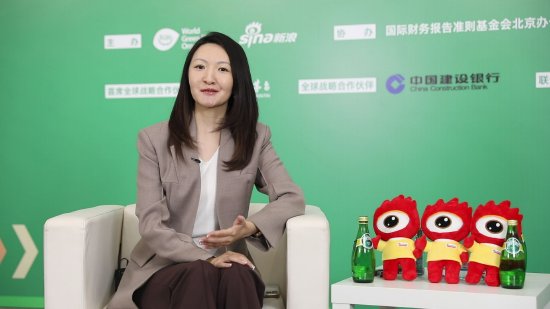
Core Insights - The 2025 Sustainable Global Leaders Conference is being held in Shanghai from October 16-18, focusing on the transformation in the photovoltaic (PV) industry and the challenges of integrating renewable energy into the grid [1] Group 1: Industry Trends - The photovoltaic industry has reached a new milestone with a total installed capacity of 1700 GW, highlighting the need for better integration of renewable energy into the grid for stability and safety [1] - The industry has experienced several cycles of overcapacity since 2005, with each technology application having a shorter-than-expected benefit period of 3-4 years [6] Group 2: Company Strategy - The company aims to provide affordable green electricity through technological innovation, product iteration, and cost reduction, focusing on vertical integration to lower costs across the supply chain [3][4] - The company has launched a new brand, Jiasheng Photovoltaics, targeting Building-Integrated Photovoltaics (BIPV) as a new application area, which combines energy generation with building materials [3][4] Group 3: Product Development - BIPV products must meet both energy generation and building functionality requirements, with a lifespan that matches or exceeds traditional building materials [4] - The company has developed over 200 applications of its BIPV products globally, aiming to replace traditional building materials with sustainable options [4] Group 4: International Expansion - The company is expanding its overseas presence, particularly in Southeast Asia, the Middle East, and Latin America, by forming a "Light Storage Charge Alliance" to combine domestic supply chain resources for international markets [4][5] - The company’s UniGo brand is positioned to offer comprehensive energy solutions, significantly reducing costs from over $20 to around $6 for diesel replacement in Southeast Asia [5] Group 5: Future Outlook - The company emphasizes the importance of finding new application scenarios and integrating traditional energy sources with renewable energy to optimize electricity usage [6][7] - The concept of virtual power plants and zero-carbon parks is seen as a pathway to achieving sustainable energy goals, leveraging digital and intelligent solutions for better resource management [7]
对话英利集团董事长苗青:光伏行业产能过剩,如何应对?
Xin Lang Cai Jing· 2025-10-17 08:10
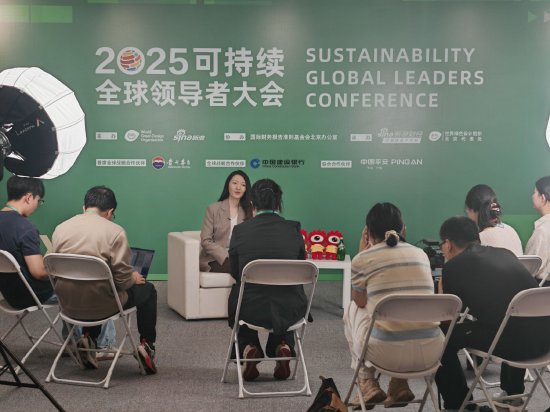
Core Insights - The 2025 Sustainable Global Leaders Conference is scheduled to take place from October 16 to 18 in Shanghai, focusing on the future of the photovoltaic industry and sustainable energy solutions [1][3] Group 1: Industry Trends - The photovoltaic industry has experienced 4-5 major cycles of overcapacity since 2005, with technology iterations occurring frequently, leading to shorter-than-expected application technology profit periods of 3-4 years [1] - The Chinese government has issued approximately 40 guiding documents in the past year and a half to provide a macro perspective on the transition of the renewable energy sector [3] Group 2: Strategic Directions - The industry should focus on the complementarity of comprehensive energy, recognizing that traditional energy sources can work alongside new energy sources like electricity [3] - New scenarios for growth, such as international expansion and Building-Integrated Photovoltaics (BIPV), should be explored to enhance the industry's adaptability [3] - The approach should prioritize optimizing electricity usage at the demand side rather than solely focusing on supply-side solutions, aiming to provide cost-effective electricity to meet production needs [3]
“面板之王”跨界光伏:京东方的钙钛矿野心,能撑起下一个十年吗?
Mei Ri Jing Ji Xin Wen· 2025-10-10 12:40
Core Viewpoint - BOE (京东方) is entering the perovskite solar cell market, showcasing its products at various exhibitions, including a BIPV (Building-Integrated Photovoltaics) wall with a delivery efficiency of 18.6% and a power output of 505W, indicating a strategic shift towards renewable energy solutions [1][2]. Group 1: Company Strategy and Development - The perovskite solar business is a key part of BOE's "1+4+N" development framework, aiming for breakthroughs in efficiency and lifespan of perovskite technology by 2024 [2][4]. - BOE claims to have inherent advantages in perovskite solar technology due to its extensive experience in semiconductor display manufacturing, which can be leveraged in the production of perovskite solar cells [3][4]. - The company is focusing on enhancing the efficiency of its perovskite solar cells, with a goal to challenge world records using experimental lines [4][5]. Group 2: Market Context and Challenges - The display industry is entering a mature phase, with BOE's display device gross margin projected at only 12.76% in 2024, prompting the need for new growth avenues [5][6]. - The perovskite solar technology is seen as a potential complement to traditional silicon solar cells, with its unique advantages such as high conversion efficiency and low cost, particularly in low-light conditions [2][6]. - The industry is witnessing a shift towards perovskite technology, with significant investments and developments from various companies, indicating a competitive landscape that may disrupt traditional solar markets [7]. Group 3: Technical Insights - Perovskite solar cells are categorized into several types, with single-junction perovskite cells being the simplest and most flexible, yet facing challenges like stability and efficiency limitations [6]. - The complexity of manufacturing multi-junction perovskite cells, especially those combined with silicon, presents significant technical hurdles but is viewed as the future of solar efficiency [6][7]. - The entry of display manufacturers like BOE into the solar market is expected to create competitive pressure on traditional solar companies, particularly in the BIPV and electric vehicle sectors [7].

智慧低碳建筑交流会举行 政企学研话“好房子”升级
Xin Hua Cai Jing· 2025-10-07 01:59
Core Insights - The conference focused on the integration of building and energy sectors, aiming to promote green and intelligent transformation in the construction industry [1][2] - Key features of smart low-carbon buildings include energy automation, digital management, human-centered experience, and ecological systems [1] - The development of smart low-carbon buildings is essential for achieving national carbon neutrality goals and enhancing living standards [3][4] Policy and Trends - The government emphasizes the need for safety, comfort, greenness, and intelligence in housing construction, with safety being the top priority [2][6] - The Ministry of Housing and Urban-Rural Development is working on improving incentive policies, establishing a comprehensive standard system, and focusing on key technology research [2][6] - Local practices and case studies are being shared to make national strategies more tangible and applicable [6] Technological Innovations - The integration of various energy systems is highlighted, including transportation, electricity, and industrial sectors, forming a cohesive smart energy network [2][3] - The potential of electric vehicles as distributed energy storage resources and the role of hydrogen in achieving zero-carbon energy systems are discussed [3] - Innovations in low-rise residential models, such as the "Smart0" courtyard housing, demonstrate significant cost and time savings while enhancing living conditions [4] Industry Collaboration - The conference served as a platform for industry leaders to share successful practices and explore collaborative opportunities [1][4] - Experts emphasized the importance of collaboration among government, enterprises, and research institutions to overcome industry challenges [5][6] - The need for standardization, technology integration, and cognitive upgrades is identified as crucial for the high-quality development of the smart low-carbon building sector [5]