全民资本主义

Search documents
玻利维亚政治改革开启矿业行业发展的新篇章 为新太平洋金属(NEWP.US,NUAG.CA)带来全新机遇
Zhi Tong Cai Jing· 2025-12-08 09:21
Group 1: Political and Economic Context - Bolivia's new government is signaling a shift towards market openness, welcoming foreign investment, and protecting investments, which could enhance the operational environment for companies like New Pacific Metals [1][2][3] - The new president, Rodrigo Paz, aims to reduce bureaucratic barriers and empower local governments, indicating a potential transformation in Bolivia's political and economic priorities [2][3] Group 2: Mining Industry Potential - Bolivia is one of the largest silver producers globally and possesses significant lithium resources, yet its mining sector has been underdeveloped due to cautious investment policies and lengthy approval processes [2][3] - The political reforms could lead to substantial growth in the mining sector, particularly for companies like New Pacific Metals, which holds two major undeveloped silver projects: "Silver Sand" and "Carangas" [1][4] Group 3: New Pacific Metals' Opportunities - New Pacific Metals controls two significant undeveloped open-pit silver projects, with the potential combined annual production of 591 tons (19 million ounces) of silver, which could surpass many established silver producers [4][5] - The company is positioned to benefit from renewed investor interest in Bolivia's mining sector, especially if the government successfully implements reforms that improve the speed of development approvals and regulatory consistency [5]


玻利维亚政治改革开启矿业行业发展的新篇章 为新太平洋金属(NEWP.US)带来全新机遇
智通财经网· 2025-12-08 08:47
Core Viewpoint - Bolivia's new government is signaling a shift towards market openness, welcoming foreign investment, and enhancing investment protection, which could significantly benefit the mining sector, particularly for New Pacific Metals [1][2][3] Group 1: Political and Economic Reforms - The new president, Rodrigo Paz, and finance minister, José Gabriel Espinoza, emphasize legal stability and support for private contracts, aiming to reduce bureaucratic barriers and empower local governments [2][3] - The government is taking steps to rebuild diplomatic relations with the U.S. and signal a desire to re-engage with international markets and multilateral institutions [2][3] Group 2: Mining Industry Potential - Bolivia, despite its rich mineral resources, has historically been cautious towards mining investments, leading to underdevelopment of its mining sector [2][3] - The mining industry is seen as a key area for economic growth, especially as Bolivia seeks to address fiscal challenges exacerbated by declining natural gas revenues [3][5] - New Pacific Metals controls two significant undeveloped silver projects, "Silver Sand" and "Carangas," which have the potential to produce a combined annual output of 591 tons (19 million ounces) of silver [1][4] Group 3: Company-Specific Insights - New Pacific Metals is positioned to benefit from the political reforms, as it is one of the companies most affected by Bolivia's mining policy direction [3][5] - The "Silver Sand" project has an estimated annual production potential of approximately 373 tons (12 million ounces) of silver, while the "Carangas" project could yield around 218 tons (7 million ounces) [4] - The presence of major shareholders like Silvercorp Metals (28%) and Pan American Silver (12%) indicates confidence in the long-term potential of these assets despite jurisdictional complexities [4]
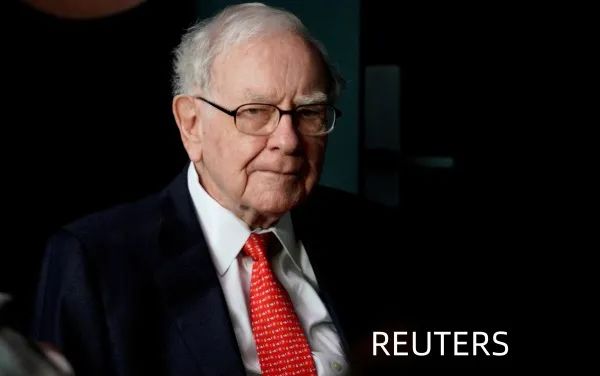
巴菲特年底退休,资本主义“先知”谢幕
3 6 Ke· 2025-05-06 00:04
Core Viewpoint - Warren Buffett, the renowned investor known as the "Oracle of Omaha," announced his retirement as CEO of Berkshire Hathaway by the end of 2025, coinciding with Donald Trump's potential second term, raising questions about the future of American capitalism [2][5] Group 1: Investment Philosophy - Buffett emphasizes the importance of long-term value investing, focusing on companies with sustainable high profit margins to achieve compounding returns [3] - He believes that market pessimism can create investment opportunities when intrinsic value is overlooked [3] - Buffett's investment strategy has led to a remarkable 60-year increase in his company's stock price by 60,000 times, showcasing the potential of stock ownership as a means of participating in long-term corporate growth [3] Group 2: Historical Impact - Buffett has played a crucial role during financial crises, such as serving as interim chairman of Solomon Brothers and providing financial support during the Lehman crisis [4] - His annual shareholder meetings attract up to 40,000 attendees, promoting a sense of "people's capitalism" that contrasts with the elite nature of Wall Street [4] Group 3: Future Directions - As Buffett prepares to pass the baton to the next generation, he has made significant investments in Japanese trading companies, indicating a renewed interest in Japan's economic potential post-bubble [4] - He is gradually reducing his stake in Apple and increasing cash reserves, suggesting a strategic shift in his investment approach [5]

巴菲特年底退休,资本主义“先知”谢幕
日经中文网· 2025-05-05 03:42
Core Viewpoint - Warren Buffett, known as the "Oracle of Omaha," announced his retirement as CEO of Berkshire Hathaway by the end of 2025, coinciding with Donald Trump's potential second term, raising questions about the future of American capitalism [1][5]. Group 1: Investment Philosophy - Buffett emphasizes long-term value investing, focusing on high-margin quality companies to achieve compounding returns, akin to a snowball effect [2]. - He advocates for investing only in businesses that are well understood, as demonstrated during the 2000 IT bubble when he refrained from investing in technology stocks [2]. - Buffett's investment strategy has led to a remarkable 60-year growth of his company's stock price by 60,000 times, showcasing a sustainable model of American capitalism [2]. Group 2: Crisis Management - Throughout various crises, Buffett has played a pivotal role, such as serving as interim chairman of Solomon Brothers during a scandal and providing financial support during the Lehman crisis [2]. - His actions during these times highlight his commitment to maintaining corporate reputation and stability in the financial system [2]. Group 3: Cultural Impact - Buffett's approach to investing has fostered a culture of "inclusive capitalism," where annual shareholder meetings attract up to 40,000 attendees, celebrating the achievements of capitalism [3]. - He has openly criticized the U.S. government's fiscal policies, indicating a broader concern for the economic system [3]. Group 4: Future Investments - As Buffett prepares to pass the leadership baton, he has made significant investments in Japanese trading companies, reflecting a renewed interest in Japan's economic potential post-bubble [4][5]. - He is gradually reducing his stake in Apple and increasing cash reserves, signaling a strategic shift as he steps back from active management [5].