全球供需博弈

Search documents
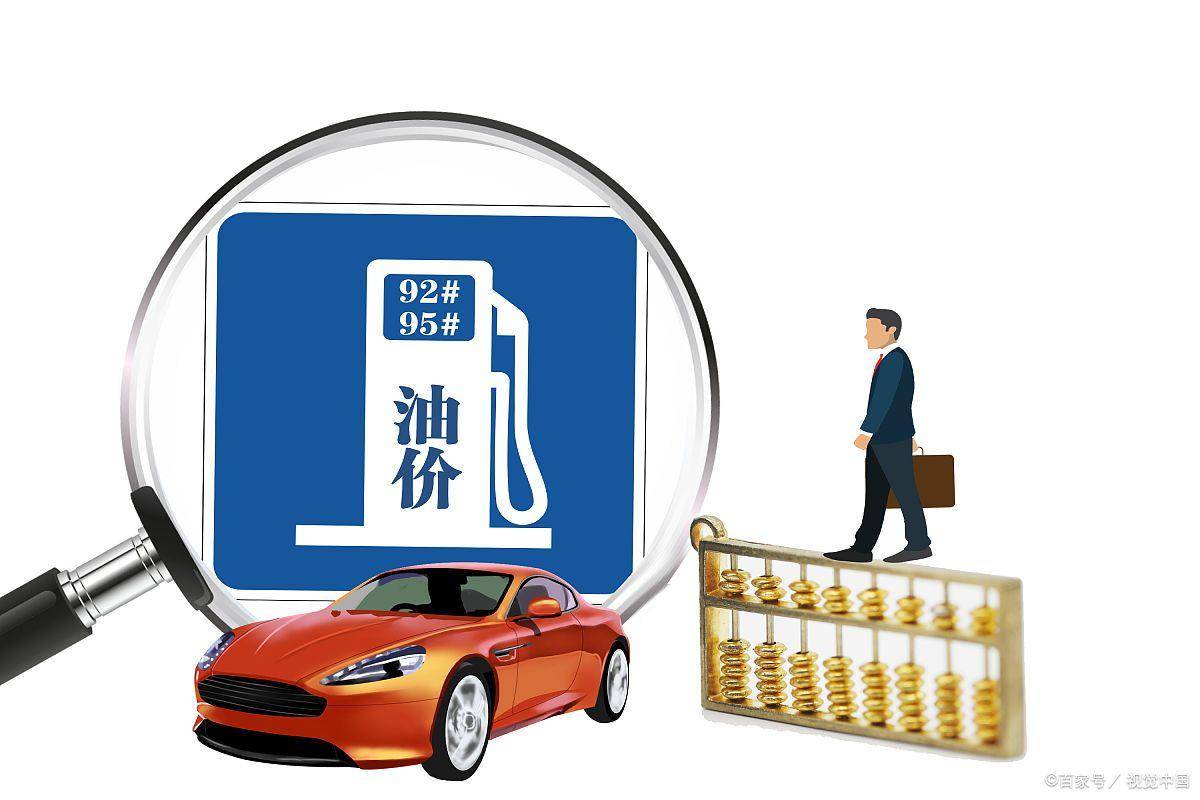
油价有变!明起加油或多掏钱,92、95号汽油新单价流出
Sou Hu Cai Jing· 2025-12-11 17:12
Core Viewpoint - The article discusses the recent trend of declining domestic fuel prices in China, highlighting the potential psychological relief for consumers as prices approach four-year lows, while also questioning the sustainability of this trend in the context of global supply and demand dynamics [3][5][7]. Group 1: Price Trends - The upcoming domestic fuel price adjustment window on December 22 is expected to see a decrease of 40 to 60 yuan per ton, translating to a reduction of approximately 5 to 6 cents per liter for consumers [3]. - This would mark the 11th price drop since 2025, with 92-octane gasoline prices stabilizing around 6.5 yuan per liter in many regions, a significant decrease from previous highs [3][5]. - Current prices for 92-octane gasoline vary regionally, with prices reported at 6.97 yuan in Liaoning, around 6.85 yuan in Shanghai and Jiangsu, and as low as 6.79 yuan in Ningxia [5]. Group 2: Market Dynamics - The decline in fuel prices is attributed to weak international oil prices and a relaxed supply environment, with both WTI and Brent crude prices recently falling [5]. - Global oil supply is recovering, while demand remains uncertain due to macroeconomic conditions and Federal Reserve policies, leading to potential pressure on oil prices if demand does not respond positively [5]. - The article raises concerns about whether the current trend of declining prices is a temporary respite in the global supply-demand battle or a precursor to deeper changes in the energy landscape [7]. Group 3: Consumer Behavior and Future Considerations - As fuel prices decrease, consumers may experience a shift in their spending habits and psychological comfort regarding fuel costs, moving away from the anxiety of high prices [3][5]. - The article prompts reflection on the future of energy consumption, questioning whether the return to lower fossil fuel prices will lead to complacency or a greater embrace of electric and green energy alternatives [7]. - The savings from lower fuel prices provide consumers with more time to consider their future energy choices, shifting focus from immediate cost calculations to broader energy strategies [7].

今天油价有何玄机?10月29日调整释放重要信号,速览!
Sou Hu Cai Jing· 2025-10-29 17:02
Core Viewpoint - Oil prices have recently experienced a significant drop, reaching a four-year low, but are expected to rise again, potentially surpassing 7 yuan per liter, impacting consumers' wallets [1][3]. Price Fluctuations - The recent adjustment in oil prices is expected to increase the cost by approximately 0.16 to 0.18 yuan per liter, translating to an additional 8 to 9 yuan for a full tank of 50 liters [1][3]. - Throughout the year, there have been 21 rounds of oil price adjustments, with 6 instances of price freezes, 9 decreases, and 6 increases, resulting in an overall decline of over 700 yuan per ton for gasoline [3]. Regional Price Variations - Current gasoline prices in various regions include: - Beijing: 6.84 yuan (92), 7.39 yuan (95) - Shanghai: 6.80 yuan (92), 7.24 yuan (95) - Jiangsu: 6.81 yuan (92), 7.25 yuan (95) - Other regions also show similar pricing trends, with predictions indicating a rise towards the 7 yuan mark for 92 gasoline in several areas [3][4]. Market Influences - The fluctuations in oil prices are primarily driven by international crude oil prices, which recently rebounded from around 60 dollars to approximately 62 dollars per barrel. Analysts suggest that if prices stabilize above 62 dollars, they could rise further to 65-67 dollars [4]. - Factors such as global supply and demand dynamics, geopolitical tensions, and U.S. Federal Reserve interest rate expectations contribute to the volatility in oil prices [4]. Consumer Sentiment - The rapid changes in oil prices create a perception of unpredictability among consumers, with price increases often occurring swiftly compared to decreases, leading to frustration regarding the transparency and frequency of adjustments [4].