全球金融秩序变革

Search documents
金丰来:全球秩序重塑 金银估值新纪元
Xin Lang Cai Jing· 2026-01-28 12:29
Group 1 - The recent surge in the precious metals market reflects profound changes in the global financial order, driven by investor skepticism about fiat currency resilience and concerns over government balance sheet deficits [1][2] - Analysts at BMO Capital Markets suggest that the price movements of precious metals are closely linked to the global shift in power, positioning gold and silver as a "defensive vote" for the future transformation of the world order [1][2] - Gold prices are expected to break the $5,000 mark in January 2026, indicating a shift in traditional safe-haven logic, with potential prices reaching $6,350 by the end of 2026 and $8,650 by the end of 2027 if central banks continue to accumulate gold at a rate of approximately 8 million ounces per quarter [3] Group 2 - The explosive growth in the silver market is transitioning from its industrial attributes to a monetary logic driven by retail and hedging demand, with the gold-silver ratio dropping below 50, a multi-year low [4] - If the low gold-silver ratio persists over the next two years, silver prices could rise to a long-term target range of $160 to $220 [4] - Traditional macro valuation frameworks are becoming ineffective, replaced by a new normal supported by structural inflation and sovereign credit crises, suggesting that precious metals should be viewed as a core strategic anchor in investment portfolios [4]


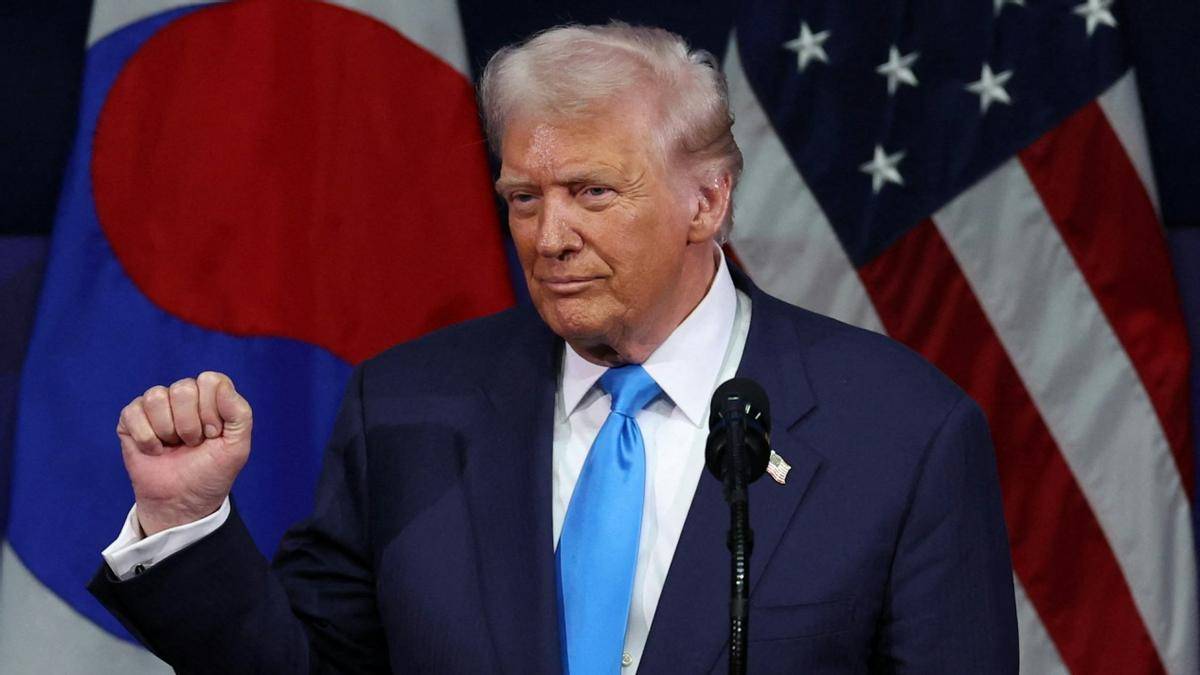
中方再度减持美债61亿美元,特朗普突然改口,暂不解雇美联储主席鲍威尔!
Sou Hu Cai Jing· 2026-01-17 03:57
Core Insights - China has recently reduced its holdings of US Treasury bonds by $6.1 billion, reaching a low of $682.6 billion, the lowest since 2008, amidst a backdrop of rising tensions in US-China relations and a historical high of $9.36 trillion in US Treasury bonds held by foreign investors [1][3][4] Group 1: China's Actions - The reduction in US Treasury holdings reflects a long-term strategic adjustment by China, emphasizing a focus on safety and diversification in foreign exchange reserve management [3] - China has been increasing its gold reserves for 14 consecutive months, indicating a shift towards optimizing its asset portfolio and reducing reliance on a single asset [3][8] - The move to decrease US Treasury holdings signals a reassessment of the safety of dollar-denominated assets, potentially influencing global financial dynamics [4][8] Group 2: Trump's Position - Trump's recent statement indicating no immediate plans to dismiss Federal Reserve Chairman Powell suggests a nuanced understanding of the current financial landscape, recognizing the importance of stability in the US Treasury market for the overall economy [3][6] - The shift in Trump's stance may be aimed at maintaining market confidence and avoiding financial turmoil, balancing the need for economic stimulus with the independence of the Federal Reserve [6][9] Group 3: Global Financial Implications - China's actions are part of a broader trend where countries are reevaluating their dependence on dollar assets, which could lead to increased pressure on the US [4][6] - The ongoing US-China dynamics extend beyond trade and personnel issues, delving into the restructuring of the global financial order [6][9] - The potential for other nations to follow China's lead in reducing dollar asset reliance could signify a significant shift in the global financial landscape [6][9]