全龄友好城市

Search documents
北京如何建设全龄友好城市?
Bei Jing Qing Nian Bao· 2026-01-26 01:55
Group 1 - The core focus of the 2026 Beijing government work report is to optimize public service supply and enhance services for the elderly and children, aiming to build an age-friendly city [2][19][20] - The aging population in Beijing is projected to reach 5.14 million by the end of 2024, accounting for 23.5% of the total population, indicating a shift towards a heavily aging society [3][22] - Suggestions from representatives include improving meal assistance, transportation services, and social participation for the elderly, as well as establishing a systematic elderly care service framework [3][22] Group 2 - Meal assistance and transportation are identified as critical needs for the elderly, with current services facing issues of supply precision and facility gaps [4][23] - Recommendations include expanding meal subsidies to cover elderly individuals living alone and implementing a dynamic recognition mechanism for assistance eligibility [4][24] - The need for a comprehensive "travel connectivity project" for the elderly and disabled is emphasized to eliminate barriers in transportation [6][25] Group 3 - Safety and social participation for the elderly are highlighted as essential for their well-being, with a focus on protecting them from scams and enhancing their social engagement [7][26] - Proposals include tailored digital skills training for the elderly to prevent fraud, improving legal services, and establishing a specialized reporting hotline for elder fraud [7][26][27] - The importance of creating employment opportunities for the elderly in community settings is stressed, promoting volunteer services and flexible job arrangements [8][27] Group 4 - A high-quality elderly care service ecosystem is proposed, emphasizing the need for a three-tiered service network covering district, street, and community levels [9][28] - The establishment of a unified "smart elderly care service platform" is suggested to integrate various resources and streamline service applications [9][28] Group 5 - The integration of childcare services is identified as a key solution to address the challenges of child-rearing, with a focus on establishing nursery classes in public kindergartens [10][29] - The need to revitalize early childhood education resources and provide support for families is emphasized, particularly in light of declining birth rates and underutilized educational resources [11][30] - Recommendations include creating a unified qualification standard for childcare professionals and enhancing the training system for early childhood educators [13][33]

加强“一老一小”服务 代表委员建言献策 北京如何建设全龄友好城市?
Xin Lang Cai Jing· 2026-01-25 20:20
Group 1: Elderly Care and Services - The Beijing government aims to optimize public services for the elderly, focusing on meal assistance and transportation as part of building an age-friendly city [1][2] - By the end of 2024, the elderly population in Beijing is expected to reach 5.14 million, accounting for 23.5% of the total population, indicating a deepening aging trend [2] - Suggestions include expanding meal assistance subsidies to cover all elderly residents aged 60 and above, especially those living alone, and implementing a dynamic information update system for subsidy eligibility [3][4] - There is a need for a comprehensive transportation system for the elderly, addressing gaps in accessibility from residential areas to public services [4] Group 2: Safety and Social Participation - Proposals emphasize the importance of safeguarding the rights and safety of the elderly, particularly against scams targeting this demographic [5] - Recommendations include tailored digital skills training for the elderly to enhance their ability to recognize and prevent fraud [5] - The importance of social engagement for the elderly is highlighted, with suggestions for creating job opportunities that allow them to contribute to society and find fulfillment [6] Group 3: Integrated Childcare Services - The integration of childcare services is seen as crucial for addressing the challenges of child-rearing in Beijing, with a focus on establishing a comprehensive system for children aged 0-6 [8][10] - The government plans to promote the establishment of nursery classes in public kindergartens to meet the growing demand for childcare services [10][16] - There is a call for unified professional standards for childcare providers to ensure quality and consistency in early childhood education [12][13] Group 4: Policy Implementation and Development - The Beijing government is committed to implementing policies that support the integration of elderly care and childcare services, aiming for a holistic approach to family support [16] - Plans include enhancing the training and qualification standards for childcare professionals to improve service delivery and address the needs of families [14][15] - The introduction of technology in childcare services, such as an integrated health management system, is proposed to better meet the needs of families [16]
推动城市实现更高质量更有效率更可持续的发展
Xin Lang Cai Jing· 2026-01-25 06:55
Core Viewpoint - The article emphasizes the importance of urban development in Beijing, focusing on enhancing governance efficiency and achieving high-quality, sustainable urban growth to meet the needs of the populace [1][3]. Group 1: Urban Development Strategies - The Beijing Municipal Party Secretary, Yin Li, highlighted the need for in-depth learning and implementation of Xi Jinping's important discussions on urban work, aiming for a harmonious and livable city [1][3]. - Yin Li called for the optimization of the capital's functions and spatial layout, leveraging the "Four Centers" to drive urban development and showcase the achievements of Chinese-style modernization [3][4]. - The article mentions the importance of high-standard infrastructure construction to lay a solid foundation for high-quality development, with a focus on technological innovation and the cultivation of future industry growth points [3][4]. Group 2: Community and Social Services - The article discusses the need for a people-centered approach in building a modern city, emphasizing the enhancement of urban governance and the adaptation to demographic changes [4]. - It stresses the importance of developing a comprehensive population service system, particularly in expanding multi-level elderly care services and creating a child-friendly urban environment [4]. - The article also highlights the need to balance development and safety, enhancing the city's resilience to various risks, including extreme weather [4]. Group 3: Engagement and Collaboration - The article notes the active participation of various committee members from different sectors in the discussions, indicating a collaborative approach to urban governance and development [2][4]. - Yin Li expressed gratitude to the committee members for their contributions and emphasized the importance of their suggestions in supporting the capital's modernization efforts [2][4].
持续对标国际一流聚焦和谐宜居 推动城市实现更高质量更有效率更可持续的发展
Xin Lang Cai Jing· 2026-01-24 21:42
Core Viewpoint - The article emphasizes the importance of urban development in Beijing, focusing on enhancing governance efficiency and promoting sustainable growth to meet the needs of the population [1][3]. Group 1: Urban Development Strategies - The Beijing Municipal Party Secretary, Yin Li, highlighted the need for a systematic approach to urban development, advocating for projects that demonstrate leadership and serve as models for urban revitalization [2]. - Yin Li stressed the importance of aligning with international standards and focusing on harmonious living conditions to achieve high-quality urban development [1][3]. Group 2: Governance and Community Engagement - The article notes that members from various political and social organizations actively participated in discussions, providing valuable suggestions for urban governance and development [2]. - Yin Li acknowledged the contributions of the Beijing Municipal Political Consultative Conference (CPPCC) in supporting the city's development and emphasized the need for ongoing collaboration [2][4]. Group 3: Infrastructure and Innovation - The article discusses the necessity of high-standard infrastructure development to support quality growth and enhance urban functionality [3]. - There is a call for leveraging technological innovation to drive new productive forces and foster the development of emerging industries [3]. Group 4: Social Considerations - Yin Li emphasized a people-centered approach in urban planning, focusing on improving living conditions and services for various demographics, including the elderly and youth [4]. - The need for a comprehensive population service system and enhanced disaster resilience was also highlighted to ensure urban safety and adaptability [4].
突出以人为本 建设现代化人民城市
Xin Lang Cai Jing· 2026-01-24 19:37
Core Insights - The meeting focused on "promoting urban connotation development and enhancing governance efficiency in the capital" as a key theme for urban development in Beijing [1][2][3] Group 1: Urban Development Strategy - The emphasis is on learning and implementing Xi Jinping's important discussions on urban work, aiming for higher quality, efficiency, and sustainability in urban development [1][3] - The strategy includes optimizing the capital's functions and spatial layout, with a focus on the "Four Centers" to drive urban development and showcase the achievements of Chinese-style modernization [3] Group 2: Committee Contributions - Various committee members from different sectors provided suggestions, including the need for leading urban revival projects to create vibrant and innovative cities [2] - Specific proposals included enhancing the protection and utilization of core area housing, accelerating the construction of a beautiful Beijing, and developing a modern urban transportation system [2] Group 3: People-Centric Urban Governance - The importance of a people-centered approach in building a modern city was highlighted, focusing on improving urban governance and adapting to demographic changes [4] - There is a call for enhancing the quality of life for residents, including support for youth entrepreneurship and balanced educational development [4] Group 4: Infrastructure and Innovation - High standards for infrastructure development are emphasized as a foundation for high-quality growth, with a focus on technological innovation and the cultivation of emerging industries [3] - The integration of cultural resources into economic development is also a priority, aiming to transform cultural advantages into developmental benefits [3]
从“空间改造”到“幸福再造”,武汉着力破解“一老一小”难题
Chang Jiang Ri Bao· 2025-06-12 00:36
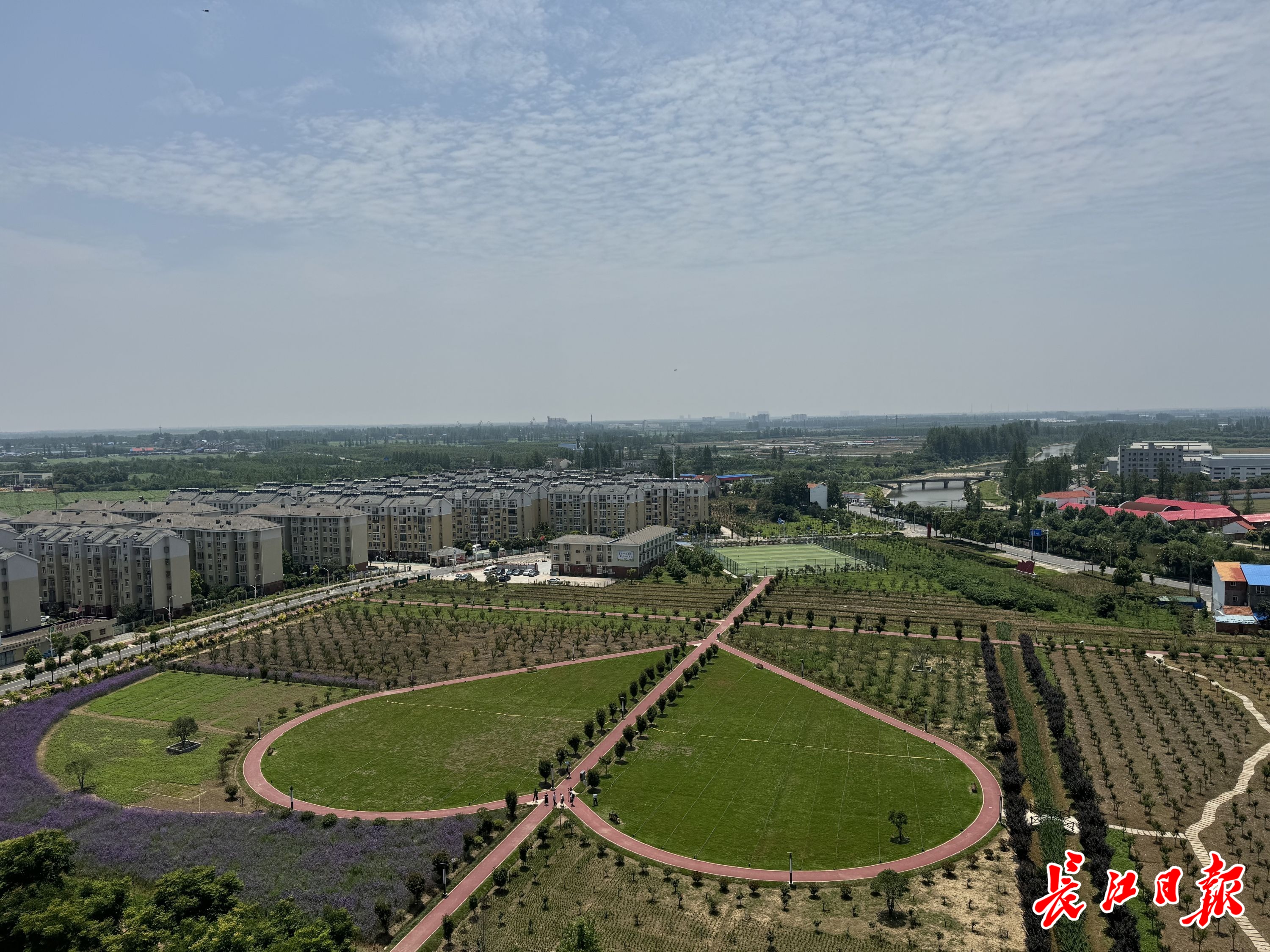
Core Insights - Wuhan is undergoing significant changes aimed at developing a "senior-friendly" and "child-friendly" urban environment, addressing the needs of both the elderly and children through innovative urban space transformations [2][18] - The city has set a clear goal to build an all-age-friendly city by 2025, focusing on improving living conditions through micro-space renovations that cater to the needs of both seniors and children [2][18] Group 1: Urban Development Initiatives - The Wuhan government is actively promoting the silver economy and aims to create a city that is friendly to all ages, with specific projects targeting the improvement of urban micro-spaces [2][18] - Recent renovations have transformed neglected areas into vibrant community spaces, such as the "Heart of Xiangkai" park, which features facilities for both children and seniors [3][5][16] Group 2: Community Engagement and Feedback - Surveys conducted in communities like the Green Scene Garden revealed a strong demand for integrated community services that address the needs of both elderly residents and young children [11] - The establishment of facilities like the "Yanyu Light Year" community center demonstrates a commitment to providing comprehensive services, including health care and childcare, within the community [11][12] Group 3: Accessibility and Safety Improvements - The city has implemented various accessibility features in public transport and residential areas, making it easier for seniors and individuals with disabilities to navigate the city [8][10] - Home modifications for elderly residents, such as the installation of non-slip mats and handrails, have been initiated, with over 9,000 households participating in the program since its launch [10] Group 4: Future Vision and Planning - The city’s planning documents emphasize the importance of creating spaces that facilitate intergenerational interaction and community bonding, with a focus on integrating child-friendly and senior-friendly designs in new developments [17] - Wuhan's commitment to becoming an all-age-friendly city is reflected in its strategic planning and ongoing urban renewal projects, ensuring that the needs of all age groups are met [18]