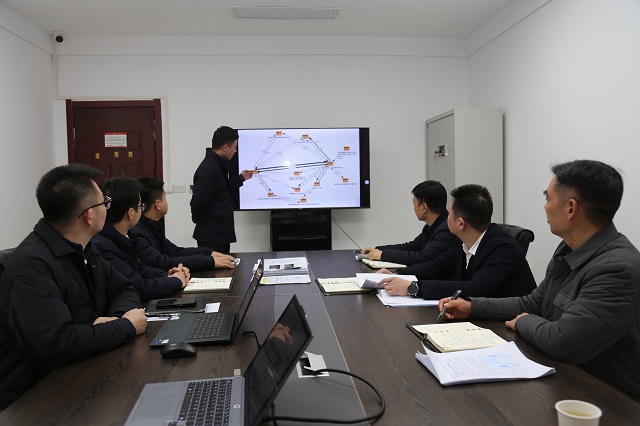
公权力大数据监督

Search documents
浙江用 AI 抓出了贪官,准确率那是相当高
程序员的那些事· 2026-01-21 10:38
Core Viewpoint - The article discusses the innovative practice of using big data for supervision in the bidding and tendering process in Zhejiang Province, highlighting the effectiveness of the smart regulatory system in uncovering corruption and enhancing transparency in public procurement [1]. Group 1: Smart Regulatory System - The smart regulatory system for bidding supervision in Zhejiang Province is a collaborative effort led by the Provincial Commission for Discipline Inspection and the Provincial Development and Reform Commission, aimed at integrating artificial intelligence into its operations [1]. - The system has shown promising results in its initial phase, generating excitement among disciplinary inspection and supervision officials regarding its future applications [1]. Group 2: Case Study of Corruption Detection - A specific case involving the urban lighting project in Jiangshan City revealed potential corruption through data analysis conducted by the smart regulatory system, which flagged risks of unfair expert evaluations and collusion among bidders [7][9]. - The analysis indicated that despite the winning company's lack of significant technical advantages, its scores were disproportionately high, suggesting possible collusion [9]. - Following the risk alerts, local supervisory authorities conducted investigations that confirmed collusion between the winning bidder and a former official, leading to the exposure of a bribery scheme [10][13]. Group 3: Impact on Corruption Investigation - The smart regulatory system has transformed the approach to identifying corruption, providing new and accurate sources of information for disciplinary bodies, which previously relied on specific tips to investigate [13]. - The case of Feng Jiang, a former official involved in multiple bidding irregularities, illustrates how the system can uncover extensive networks of corruption once initial leads are established [15]. - The system's ability to analyze past data has allowed for the identification of corrupt practices in projects that occurred before the system's implementation, demonstrating its effectiveness in retrospective investigations [20].


“浙江用AI查出贪官”背后
Xin Lang Cai Jing· 2026-01-16 08:48
Core Insights - The article discusses Zhejiang's innovative use of AI and big data to enhance anti-corruption efforts, particularly through the "Intelligent Supervision System" that identifies corrupt practices in public procurement [1][2][3] Group 1: Implementation of Big Data in Anti-Corruption - Zhejiang has been a pioneer in utilizing big data for public power supervision, focusing on human rights, financial rights, and operational rights to enhance transparency and accountability [1][2] - Since 2021, Zhejiang's disciplinary inspection and supervision authorities have integrated digital technologies like big data and AI into their operations to address inefficiencies in traditional supervision methods [2][3] - By 2022, the scope of big data supervision expanded to cover 40 key areas, including administration, state-owned enterprises, and higher education institutions [2] Group 2: Technological Advancements and Results - The province has established a comprehensive data framework, collecting 6.4 billion pieces of operational data and developing over 2,900 supervision models, achieving an overall verification rate exceeding 70% [3][4] - The use of intelligent algorithms allows for the identification of previously undetectable corruption patterns, effectively creating a detailed supervision network [3][4] - Real-time data comparison and dynamic monitoring have led to the identification of potential misconduct, such as the detection of 1,658 alerts related to abnormal drug procurement, resulting in proactive interventions [4] Group 3: Impact on Public Officials - The pervasive nature of the big data supervision system has led to increased accountability among public officials, as demonstrated by a case where a former official voluntarily reported misconduct upon realizing the system's capabilities [5] - The transparency and traceability of the supervision process serve as a deterrent against misconduct, making it difficult for corrupt activities to go unnoticed [4][5]
AI抓贪官
Xin Lang Cai Jing· 2026-01-16 00:33
Core Viewpoint - The article highlights a recent case in Zhejiang Jiangshan where an AI-driven regulatory system detected irregularities in a bidding process, leading to the uncovering of corruption involving a former city investment company's official [2] Group 1: AI and Corruption Detection - The Zhejiang Provincial Bidding Supervision System utilizes AI to monitor bidding processes, identifying anomalies such as unusually high scores for bidders with poor credit ratings [2] - The system's alert mechanism, indicated by a "beep," signifies potential collusion or bid-rigging among participants [2] Group 2: Public Reaction and Implications - There is widespread public approval for the use of technology in combating corruption, with many expressing hope that similar systems will be implemented nationwide to enhance transparency [2] - The incident reflects a growing trend of leveraging big data and AI in public sector oversight, marking a significant innovation in anti-corruption efforts [2]

浙江用AI抓出贪官
财联社· 2026-01-14 16:09
Core Viewpoint - The article highlights the innovative practice of using big data supervision in the bidding process in Zhejiang Province, showcasing the application of artificial intelligence in monitoring and identifying potential corruption in public projects [1] Group 1: System Overview - The Zhejiang Province bidding supervision system is a collaborative effort led by the provincial discipline inspection commission and the development and reform commission [1] - A dedicated laboratory has been established to promote the application of artificial intelligence within the system [1] Group 2: Case Study - A specific case involving the Jiangshan City urban lighting project revealed potential issues of unfair expert evaluation and collusion among bidders through data analysis [1] - The system's AI analysis generated risk warnings indicating that the winning bidder had no significant technical advantage yet scored much higher than the average, suggesting possible manipulation [1] - Subsequent investigations confirmed the existence of collusion between the winning bidder and internal personnel, highlighting the effectiveness of the system in uncovering corruption [1]
得意之笔 | 提高监督主动性精准性穿透力湖北以大数据信息化赋能正风反腐
Zhong Yang Ji Wei Guo Jia Jian Wei Wang Zhan· 2025-12-15 00:18
Core Viewpoint - The integration of digital technology and disciplinary inspection work in Hubei Province is enhancing the effectiveness of supervision, aligning with the directives of the central government to utilize big data for modern governance and anti-corruption efforts [3][4]. Group 1: Digital Supervision Initiatives - Hubei Province is hosting a digital supervision case competition to showcase best practices and encourage the use of big data in disciplinary inspection [3][4]. - The provincial disciplinary inspection commission is building a digital supervision system supported by a big data resource center, aiming to create a comprehensive supervision framework [3][5]. Group 2: Data Integration and Analysis - The establishment of a supervision information integration platform allows for the collection, analysis, and application of supervision data across various departments, enhancing the efficiency of data utilization [5][6]. - The integration of data from different sectors, such as rural collective assets and public service sectors, is being emphasized to identify anomalies and improve oversight [6][7]. Group 3: Systematic Governance and Case Management - The use of data models in specific sectors, such as engineering, has led to the identification of corruption and inefficiencies, demonstrating the effectiveness of data-driven investigations [7][8]. - A digital supervision model is being developed to transition from individual case handling to systematic governance, improving the overall effectiveness of anti-corruption measures [8][9]. Group 4: Empowering Local Governance - Local governments are utilizing big data to enhance grassroots supervision, allowing citizens to report issues easily and participate in oversight [9][10]. - The implementation of a smart regulatory system for bidding and procurement aims to ensure transparency and accountability in public resource management [10][11]. Group 5: Talent Development and Capacity Building - There is a focus on cultivating talent skilled in big data and disciplinary inspection to enhance the capabilities of inspection agencies [15][16]. - Training programs are being established to improve the data analysis skills of disciplinary inspection personnel, ensuring they can effectively utilize digital tools in their work [15][16].