腊八粥

Search documents
浙江海盐“亏本”餐馆的“生意经”:一顿热饭暖人心
Xin Lang Cai Jing· 2026-02-26 04:14
Core Viewpoint - The article highlights the efforts of Gu Weixing, who runs a free vegetarian restaurant in Haiyan County, Zhejiang Province, aimed at providing warm meals to those in need, particularly during the Chinese New Year, despite incurring significant financial losses [2][5]. Group 1: Restaurant Operations - The vegetarian restaurant has been operational for over four years, serving over 100,000 people for free, with no cashiers or identity checks, allowing anyone to eat as much as they need [2][5]. - Gu Weixing has invested over 100,000 yuan in renovations and operates the restaurant with a daily capacity of 40 meals, often working long hours alone to manage all aspects of the restaurant [5][6]. - The restaurant incurs monthly losses of nearly 10,000 yuan due to expenses such as utilities and food waste, yet Gu remains committed to keeping it open, especially during the festive season [5][6]. Group 2: Community Support and Initiatives - Over time, community support has grown, with individuals stepping in to help cover rent and provide food supplies, such as a local supermarket donating vegetables [8][10]. - Gu Weixing has expanded her charitable efforts beyond the restaurant, organizing community events like distributing porridge during the Laba Festival and providing services to the elderly during Qingming and Chongyang festivals [10]. - The future vision for the restaurant is to continue operating and spreading warmth to the community, reflecting a commitment to social responsibility [10].


花样冰雪看辽宁
Xin Lang Cai Jing· 2026-02-23 22:47
Group 1 - The core idea of the articles highlights the innovative approaches taken by Liaoning to enhance winter tourism, combining traditional elements with modern experiences to attract visitors [1][2] - The "ice and snow" tourism in Liaoning has gained popularity, with unique offerings such as traditional ice vehicles and cultural performances, contributing to a vibrant tourist experience [1] - The city of Shenyang has been recognized as one of the "Top Ten Ice and Snow Tourism Cities" for seven consecutive years, attributed to its innovative scene and warm hospitality [1] Group 2 - The introduction of various promotional packages, such as free admission for students during winter holidays and special events like lantern riddles, has been effective in attracting visitors to the Qianshan Scenic Area [2] - The combination of "ice and snow" with hot springs has created a unique temperature experience, drawing tourists from southern regions to northern Liaoning [2] - The coastal ice activities, particularly in Panjin, have established a competitive edge in the Northeast ice and snow market, with events like the sea ice trekking competition enhancing the region's winter tourism appeal [2]
长宵归梦话过年
Xin Lang Cai Jing· 2026-02-14 07:11
Group 1 - The article reflects on traditional customs and practices associated with the Lunar New Year, particularly focusing on the significance of the Laba Festival and the preparation of Laba porridge, which varies regionally in China [1] - The narrative emphasizes the cultural importance of family gatherings and the rituals surrounding food, such as the preparation of Laba garlic and the consumption of Laba porridge, highlighting regional differences in ingredients and preparation methods [1] - The text also touches on the nostalgia and personal memories associated with these traditions, illustrating how they connect individuals to their heritage and family history [1] Group 2 - The article describes the "Dragon Raising Head" festival, which involves community participation and rituals at a historical temple, indicating the cultural significance of such events in rural areas [2] - It mentions the historical architecture of the temple and its role as a site for local worship and community gatherings, showcasing the blend of cultural heritage and modern community life [2] - The narrative includes a description of a deep well near the temple, which serves as a source of water and is tied to local traditions, emphasizing the relationship between nature and cultural practices [3] Group 3 - The article discusses the impact of climate change on local agriculture, particularly the increasing drought conditions affecting the region, which has led to changes in traditional practices [4] - It highlights the community's response to drought through rituals aimed at invoking rain, reflecting the deep connection between agricultural practices and cultural beliefs [4] - The mention of traditional foods, such as pig's head meat, during these rituals underscores the importance of food in cultural identity and community bonding [4]
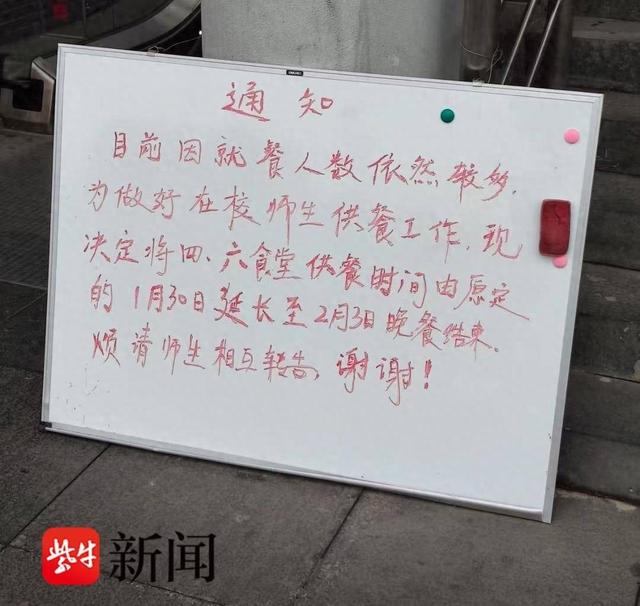
新春走基层|寒假已过一个月,南大食堂又又延期打烊了,原因很暖心
Xin Lang Cai Jing· 2026-02-10 15:56
Core Viewpoint - The ongoing extension of dining hours at Nanjing University's Xianlin campus dining halls reflects the high number of students remaining on campus during the winter break for research activities, highlighting the university's commitment to supporting student needs and fostering a conducive environment for academic pursuits [4][6][9]. Group 1: Dining Hall Operations - The Xianlin campus's Sixth Dining Hall has announced multiple extensions of its operating hours due to the increased number of students staying on campus, now extending service until February 6 [6][7]. - The university's dining services have adapted to student needs by keeping several dining halls open throughout the winter break, including the First, Eleventh, and Fifteenth Dining Halls, with additional extensions based on student attendance [9]. Group 2: Student Experience - Students remaining on campus have reported a vibrant atmosphere in the dining halls, with popular options like hot pot and traditional dishes being enjoyed, creating a sense of community among those engaged in research [3][4]. - The university has provided additional support, such as free traditional food on special occasions, which has contributed to a warm and supportive environment for students during the winter break [6][9]. Group 3: University Support Initiatives - The university's logistics and dining services have shown responsiveness to student needs, with initiatives like new menu items and feedback mechanisms in place to enhance the dining experience [9]. - The overall approach of the university emphasizes a student-centered philosophy, ensuring that students feel supported and valued during their academic endeavors, particularly during the winter break [9].
高原“小北京”年味浓
Xin Lang Cai Jing· 2026-01-27 04:20
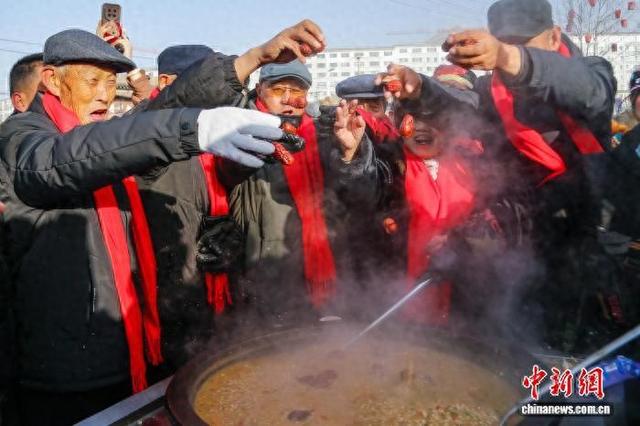
Group 1 - The event "万人品腊八" was held in Dan Gaar Ancient City, celebrating the traditional Laba Festival with a focus on a new version of Laba porridge made from local ingredients [1][3] - The new Laba porridge incorporates health-conscious ingredients such as goji berries, astragalus, and coix seeds, catering to the high-altitude climate and dietary needs of the region [3][5] - The preparation of Qinghai's Laba porridge is a meticulous process that takes three days, emphasizing the cultural significance and traditional methods involved [3][5] Group 2 - The event featured a blend of traditional customs and modern experiences, including the integration of the local "Qima Meeting" with the Laba Festival, showcasing various local delicacies [5][7] - A market was organized to promote local agricultural products from nine towns in Huangyuan, aiming to increase awareness and sales of these products among visitors [7] - The festival atmosphere was enhanced with various cultural activities, including traditional performances and interactive experiences, reflecting the rich heritage of the region [8]
浓情腊八 全城粥到
Hang Zhou Ri Bao· 2026-01-27 02:39
Core Viewpoint - The celebration of the Laba Festival in Hangzhou is marked by community engagement and warmth, with various organizations and volunteers distributing Laba porridge to promote goodwill and traditional culture [1][2][4]. Group 1: Community Engagement - Fanghuichuntang has been distributing Laba porridge for over 20 years, with 52 chefs working around the clock to prepare over 44,000 bowls this year alone [4] - The company launched the "Laba Warm Winter Plan," distributing Laba porridge nationwide and engaging with local schools to educate children about traditional Chinese medicine [4] - A total of over 102,000 bowls of Laba porridge were distributed this year, contributing to a cumulative total of over 1.1 million bowls over 26 years [4] Group 2: Cultural Activities - The "Wan Shi Zhou Quan · Fu Ju Liu He" cultural event at Liuhe Tower combined traditional customs with modern festivities, allowing visitors to engage in activities while enjoying the winter scenery [5] - The event featured free Laba porridge packets and a "Fu" character collection activity, enhancing community participation and cultural appreciation [5] Group 3: Transportation and Safety - The Hangzhou Transportation Administration provided Laba porridge and safety information to travelers at various service areas during the festival [6] - Public transport services were increased to accommodate the influx of visitors, with additional buses deployed to ensure timely access to popular destinations [7] Group 4: Technological Integration - A drone delivery service for Laba porridge was introduced, showcasing innovative technology in community service [8] - The initiative not only delivered porridge but also highlighted the potential for drones in various civic applications, including environmental monitoring [8] Group 5: Volunteer Initiatives - Community volunteers in the Jizhenkou area distributed Laba porridge to elderly residents and essential workers, emphasizing the spirit of giving during the festival [10][12] - The initiative has grown significantly over the years, with volunteers now delivering thousands of bowls of porridge, reflecting the community's commitment to supporting its members [12] Group 6: Corporate Social Responsibility - Zhejiang Sanjian Construction Group hosted a "Spring Festival Gala" at a construction site, showcasing their commitment to social responsibility through community development projects [13] - The company has implemented various initiatives to improve local infrastructure and support community welfare, demonstrating a long-term commitment to social impact [14]
第十届腊八民俗文化活动在“虎丘花事”温情启幕
Su Zhou Ri Bao· 2026-01-27 01:00
Core Insights - The event "A Bowl of Laba Congee Warms a City" in Gusu District showcases the integration of local culture and tourism, emphasizing the revitalization of traditional customs in a modern context [1][5] Group 1: Cultural Activities - The Laba congee event involved 19 communities in the Huxi Street, where residents participated in cooking and sharing congee, fostering community spirit [2] - Performances such as "Friendship Laba" and "New Year Flower Offering" highlighted local customs, attracting applause from attendees [2] - The event featured a vibrant flower market with various floral displays, and an online shopping option was introduced to cater to diverse consumer needs [2] Group 2: Non-material Cultural Heritage - The event included a "New Year Non-material Cultural Heritage Market," showcasing traditional crafts like woodblock printing and paper-cutting, enhancing cultural appreciation [3] - Workshops were organized to teach participants about non-material cultural heritage, allowing them to create their own crafts [4] Group 3: Economic Impact - The event stimulated the local economy by promoting cultural tourism, with joint ticketing and discounts offered by local attractions and businesses [4] - The integration of AI technology in cultural activities showcased innovative approaches to enhance visitor engagement and experience [4] Group 4: Cultural Empowerment - The event reflects Gusu District's commitment to cultural development and high-quality tourism integration, leveraging its rich cultural heritage [5] - The district aims to transform traditional cultural resources into economic advantages, promoting the "Three Flowers" cultural brand as a symbol of Gusu's tourism [5] Group 5: Community Engagement - The Huxi Street is actively promoting non-material cultural heritage through regular workshops and community engagement initiatives [6] - The district is developing a comprehensive cultural and tourism ecosystem by integrating local attractions, businesses, and community resources [6]
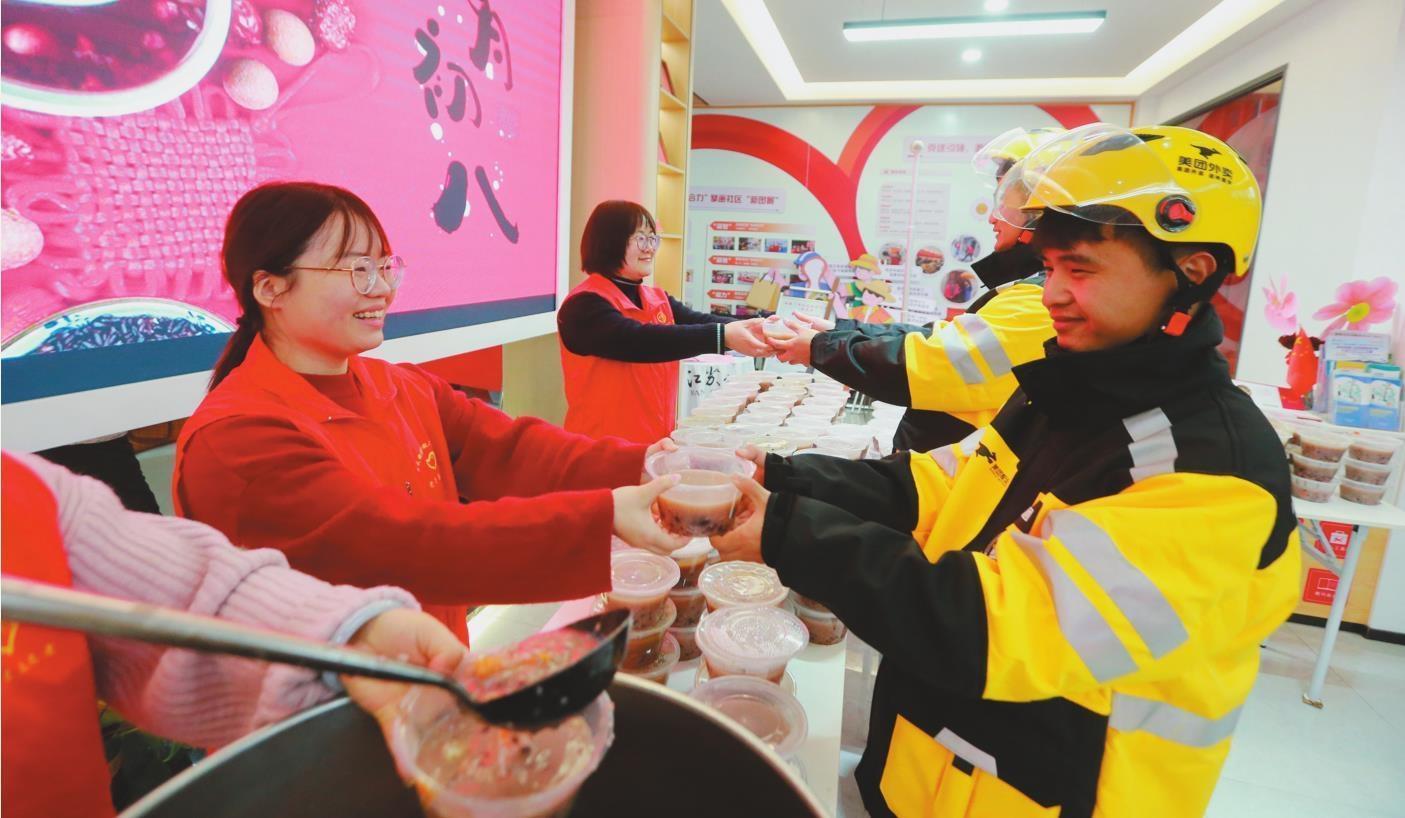
腊八粥送给户外劳动者
Xin Lang Cai Jing· 2026-01-26 22:09
Core Viewpoint - The article highlights a community initiative in the Hedong District, where outdoor workers such as delivery personnel and sanitation workers were provided with warm meals and care during the winter season, emphasizing the importance of community support and appreciation for these workers [1] Group 1: Community Support Initiatives - The outdoor laborers were invited to a community station where they received warm bowls of traditional Laba congee, creating a sense of warmth and care during the cold winter [1] - Community staff acted as "warm-hearted ambassadors," engaging with the workers, offering safety advice, and encouraging them to take breaks at the community station [1] - The initiative aimed to show appreciation for the hard work of outdoor laborers, reinforcing the community's commitment to their well-being [1] Group 2: Worker Experience - One delivery worker expressed gratitude for the warm meal, noting that it was rare for them to have a hot breakfast due to their busy schedules [1] - The event fostered a sense of happiness and community among the outdoor workers, as they gathered to enjoy the meal together [1] - The community's efforts were recognized as a way to reciprocate the services provided by these workers, highlighting the mutual support within the community [1]
粥香暖寒冬
Xin Lang Cai Jing· 2026-01-26 22:09
Core Viewpoint - The article highlights a community initiative in Tiexi District, where a "Laba Festival Warmth Delivery" event was organized to distribute Laba porridge to various vulnerable groups, including sanitation workers, delivery riders, and elderly residents, showcasing the integration of community resources and the spirit of traditional culture [1][2]. Group 1: Community Initiative - The "Laba Festival Warmth Delivery" event involved the collaboration of community service stations, social organizations, volunteer teams, and caring enterprises, delivering over 500 servings of Laba porridge to those in need [1][2]. - The event was designed to cater to three specific groups: sanitation workers, delivery riders, and elderly residents aged 80 and above, with both fixed distribution points and mobile delivery teams established [1][2]. Group 2: Community Engagement - Volunteers and community members worked together to prepare the porridge, using ingredients donated by caring enterprises, emphasizing the importance of community support and care [1][2]. - The initiative not only provided warmth through food but also fostered a sense of belonging among recipients, as expressed by the participants who received the porridge and heartfelt messages [2]. Group 3: Cultural Significance - The event served as a means to preserve and promote traditional Chinese culture while addressing the needs of special groups within the community [2]. - The community aims to continue the "Five Social Linkage" service model, transforming festive care into regular support, thereby enhancing community bonds and ensuring residents feel secure and cared for [2].
腊八粥香暖人心
Xin Lang Cai Jing· 2026-01-26 22:08
Group 1 - The article highlights the celebration of the traditional Chinese "Laba Festival" on January 26, which is the eighth day of the twelfth lunar month, where people have the custom of drinking Laba porridge [3] - Volunteers in Yangzhou, Jiangsu Province, are actively participating in community service by delivering Laba porridge to delivery workers, showcasing community support and solidarity [3] Group 2 - The event emphasizes cultural traditions and community engagement, reflecting the importance of social responsibility during festive occasions [3] - The article serves as a reminder of the significance of traditional customs in modern society, particularly in fostering community ties [3]