腊八蒜

Search documents
长宵归梦话过年
Xin Lang Cai Jing· 2026-02-14 07:11
Group 1 - The article reflects on traditional customs and practices associated with the Lunar New Year, particularly focusing on the significance of the Laba Festival and the preparation of Laba porridge, which varies regionally in China [1] - The narrative emphasizes the cultural importance of family gatherings and the rituals surrounding food, such as the preparation of Laba garlic and the consumption of Laba porridge, highlighting regional differences in ingredients and preparation methods [1] - The text also touches on the nostalgia and personal memories associated with these traditions, illustrating how they connect individuals to their heritage and family history [1] Group 2 - The article describes the "Dragon Raising Head" festival, which involves community participation and rituals at a historical temple, indicating the cultural significance of such events in rural areas [2] - It mentions the historical architecture of the temple and its role as a site for local worship and community gatherings, showcasing the blend of cultural heritage and modern community life [2] - The narrative includes a description of a deep well near the temple, which serves as a source of water and is tied to local traditions, emphasizing the relationship between nature and cultural practices [3] Group 3 - The article discusses the impact of climate change on local agriculture, particularly the increasing drought conditions affecting the region, which has led to changes in traditional practices [4] - It highlights the community's response to drought through rituals aimed at invoking rain, reflecting the deep connection between agricultural practices and cultural beliefs [4] - The mention of traditional foods, such as pig's head meat, during these rituals underscores the importance of food in cultural identity and community bonding [4]
从吃什么到怎么吃,体验与场景重构团圆味儿
Xin Jing Bao· 2026-02-12 07:26
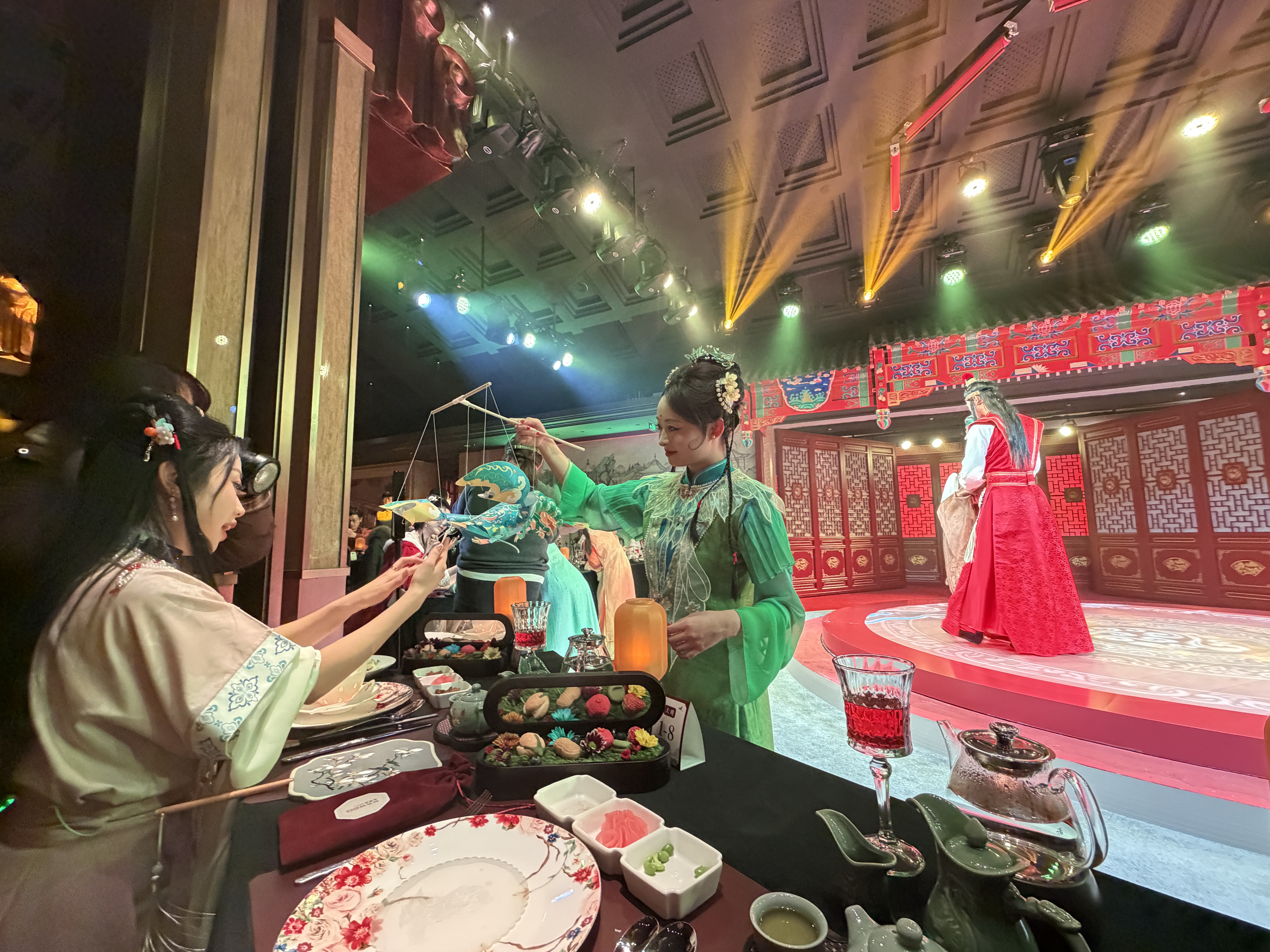
Core Insights - The dining experience during the Spring Festival is evolving from mere sustenance to a focus on cultural immersion, aesthetic space, and ritualistic experiences, with consumers prioritizing how they eat over what they eat [1][2][8] - High-end hotels and traditional brands are collaborating to create unique dining experiences that blend cultural elements with modern culinary techniques, appealing to younger consumers seeking novelty and engagement [3][4][5][8] Group 1: Dining Experience Transformation - The traditional family reunion dinner is shifting towards an experiential model, where cultural themes and interactive elements are central to the dining experience, as exemplified by the "Dream of the Red Chamber" immersive dining event [2][8] - Consumers are increasingly valuing the atmosphere and cultural interaction during meals, leading to a rise in smaller group dining orders compared to traditional large family gatherings [4][8] Group 2: Brand Innovations and Collaborations - Brands like Wangshun Pavilion and Beijing Guomao Hotel are innovating by integrating traditional flavors with modern culinary practices, creating unique menus that attract younger demographics [3][4][5] - Quanjude is launching over 30 new products for the Spring Festival, with 50% being new offerings aimed at younger consumers, emphasizing convenience and cultural significance [5][8] Group 3: Market Trends and Consumer Behavior - The demand for dining experiences has shifted from basic needs to higher-order desires for cultural and emotional value, with younger consumers leading this trend [8] - The integration of dining with cultural and retail experiences is becoming mainstream, as seen in various successful collaborations across the industry [8]

从吃什么到怎么吃,体验与场景重构团圆味儿|年货新趋势
Bei Ke Cai Jing· 2026-02-12 07:25
Group 1 - The core viewpoint of the articles highlights a transformation in the Chinese New Year dining experience, shifting from mere sustenance to an immersive cultural and experiential focus, where atmosphere, cultural significance, and scene-setting are prioritized by consumers [1][15] - The dining experience is evolving with offerings such as the "Dream of Red Mansions" immersive dining show, which combines classical literature with culinary experiences, allowing diners to engage in interactive storytelling while enjoying traditional dishes [2][6] - High-end hotels and traditional brands are collaborating to create unique dining experiences, such as the "Beijing Flavor" tasting menu that merges traditional Chinese ingredients with Western cooking techniques, reflecting a trend towards differentiated dining options [7][15] Group 2 - The consumer demographic for New Year dining is shifting towards younger groups, particularly those aged 20 to 45, who seek unique cultural experiences and strong emotional connections during festive meals [6][15] - The trend of "dining + food" is gaining traction, with traditional brands like Quanjude launching portable and snackable products that cater to various social settings, thus expanding their market reach beyond traditional dining [8][13] - The overall dining landscape is witnessing a fusion of various sectors, with examples like "dining + culture," "dining + food retail," and "dining + tourism," indicating a broader trend of industry integration and collaboration [15]

每天吃腊八蒜不建议超过3瓣
Xin Lang Cai Jing· 2026-01-27 16:55
Core Viewpoint - The article discusses the health benefits and potential risks associated with the consumption of pickled garlic, known as "腊八蒜," highlighting its active components and recommended daily intake [1] Group 1: Health Benefits - Pickled garlic contains active ingredients such as allicin and sulfides, which have antioxidant and antibacterial properties [1] - The fermentation process reduces the irritative effects of raw garlic on the gastrointestinal tract [1] Group 2: Consumption Recommendations - It is advised to limit the daily intake of pickled garlic to 2-3 cloves to avoid gastrointestinal discomfort [1] - Consuming more than 5 cloves of raw garlic may lead to excessive stomach acid, bloating, and oral odor [1]
今日腊八,要做这些事!
Xin Hua Wang· 2026-01-26 11:07
Group 1 - The core cultural significance of the Laba Festival is highlighted, marking the anticipation of the New Year and the unique traditions associated with this day [5][26] - The Laba Festival, also known as "Laba," has its origins in ancient sacrificial rituals, where people would offer sacrifices to ancestors and pray for a good harvest and family safety [5][26] - The festival is celebrated on the 8th day of the 12th lunar month, which is fixed as Laba Day, and it has evolved over time from its initial variable date [5][26] Group 2 - A key tradition of the Laba Festival is the preparation and consumption of Laba porridge, which includes a variety of grains and nuts, symbolizing good fortune and health [7][12] - The ingredients of Laba porridge vary by region, with some areas preferring sweet versions while others opt for savory or spicy variations, showcasing the diversity of Chinese culinary culture [11][12] - The cooking process of Laba porridge is a communal activity that reflects the warmth of family and the joy of the season, emphasizing the importance of home and tradition [8][12] Group 3 - In addition to Laba porridge, various other food customs are associated with the festival, such as pickling Laba garlic and making Laba noodles, each with its own regional twist [15][20] - The festival serves as a precursor to the Spring Festival, with families beginning preparations for the New Year, including cleaning, decorating, and purchasing festive goods [26][28] - The atmosphere of anticipation for the New Year is palpable, with communities engaging in festive activities and preparations, enhancing the sense of togetherness and celebration [30][33]
今日腊八!这份消费提示请收好
Sou Hu Cai Jing· 2026-01-26 10:53
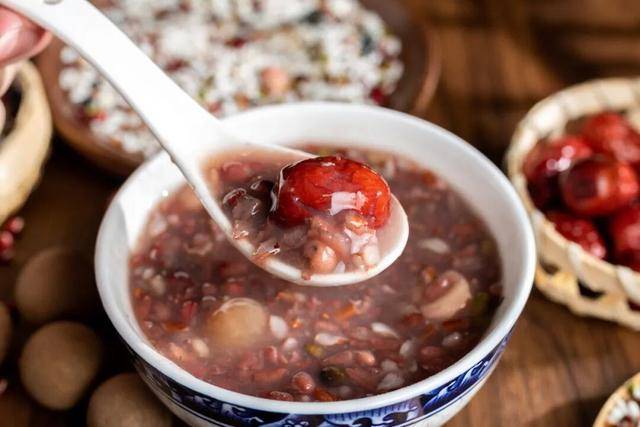
Group 1: Laba Festival and Laba Congee - Laba Festival, known as "Laba," is celebrated on the eighth day of the twelfth lunar month, with customs including eating Laba congee and pickled garlic [1] - Laba congee, also called seven treasures congee, is made from a variety of ingredients such as rice, millet, corn, job's tears, red dates, lotus seeds, peanuts, longan, and various beans [1][2] - It is recommended to combine refined grains with whole grains for better taste and nutrition, and to include legumes for protein and dietary fiber [2] Group 2: Ingredient Selection and Preparation - Consumers should purchase ingredients for Laba congee from reputable sources, ensuring they are free from mold, spoilage, and off-odors [3] - Proper preparation of ingredients is crucial, including soaking beans before cooking to ensure they become soft [4] - It is advised not to add baking soda during cooking, as it can lead to the loss of B vitamins [4] Group 3: Special Considerations for Specific Groups - Diabetic individuals should opt for sugar-free Laba congee, using oats and barley to help control blood sugar levels [6] - Those with digestive issues should limit or avoid certain beans that may cause discomfort [6] - For individuals managing weight, it is recommended to reduce the use of easily digestible ingredients like white rice and increase the use of thicker-skinned beans [6] Group 4: Laba Garlic - Laba garlic is typically made by pickling garlic in vinegar, resulting in a green color and a sour, slightly spicy flavor [7] - Selecting high-quality purple-skinned garlic and using rice vinegar is recommended for optimal taste and preservation [8][9] - The pickling container should be clean and preferably made of glass or ceramic to avoid contamination [9] Group 5: Storage and Consumption Guidelines - Laba garlic should be stored at temperatures between 0°C and 4°C after pickling to maintain quality [13] - Clean utensils should be used when serving Laba garlic to prevent contamination [14] - Certain groups, such as those with gastrointestinal issues or those on medication, should avoid consuming Laba garlic due to its stimulating properties [15]
AI创意长图:“小孩小孩你别馋,过了腊八就是年”
Xin Hua Wang· 2026-01-26 08:21
Group 1 - The article highlights the cultural significance of Laba Festival, emphasizing the warmth and flavors associated with traditional foods like Laba porridge and Laba garlic, which symbolize the arrival of the New Year [1] - Laba porridge is noted for its nutritional value and regional variations, commonly made with ingredients such as glutinous rice, red beans, peanuts, and dates, with specific preferences in northern and southern China [4] - Laba garlic is recommended to be made with fresh, undamaged purple garlic for a stronger flavor, and the use of light-colored vinegar is suggested to enhance the garlic's green color [5]

腊八粥暖人心,北京餐企线上线下齐发力开启“春节档”预热
Huan Qiu Wang· 2026-01-26 07:50
Group 1 - The article highlights the significance of the Laba Festival as a cultural event that marks the beginning of the Chinese New Year celebrations, with various restaurants in Beijing launching seasonal dishes like Laba porridge and garlic [1][3] - Wangshun Pavilion Group has been conducting the "Laba Love Porridge" charity event for 21 consecutive years, expanding its reach to over 10 communities and 30 delivery stations in Beijing this year, providing free porridge to local residents and delivery workers [1][3] - The popularity of Laba porridge is evident, with the Huguosi Snack Store expecting to sell over 2,000 bowls on the festival day, showcasing the meticulous preparation process that includes over 20 ingredients [3][4] Group 2 - The restaurant industry is experiencing a surge in customer traffic as the Spring Festival approaches, with Haidilao reporting a more than 10% increase in customer numbers from January 19 to 21, and a 15% rise in the sales of beef and lamb products [3][4] - Haidilao plans to keep over 1,000 locations open on New Year's Eve and more than 1,200 on the first day of the New Year, introducing festive themed products and collaborations to enhance consumer engagement [3][4] - The combination of traditional cultural practices and modern marketing strategies is seen as a key driver for the recovery and growth of the restaurant industry during the peak consumption period of the year [4]

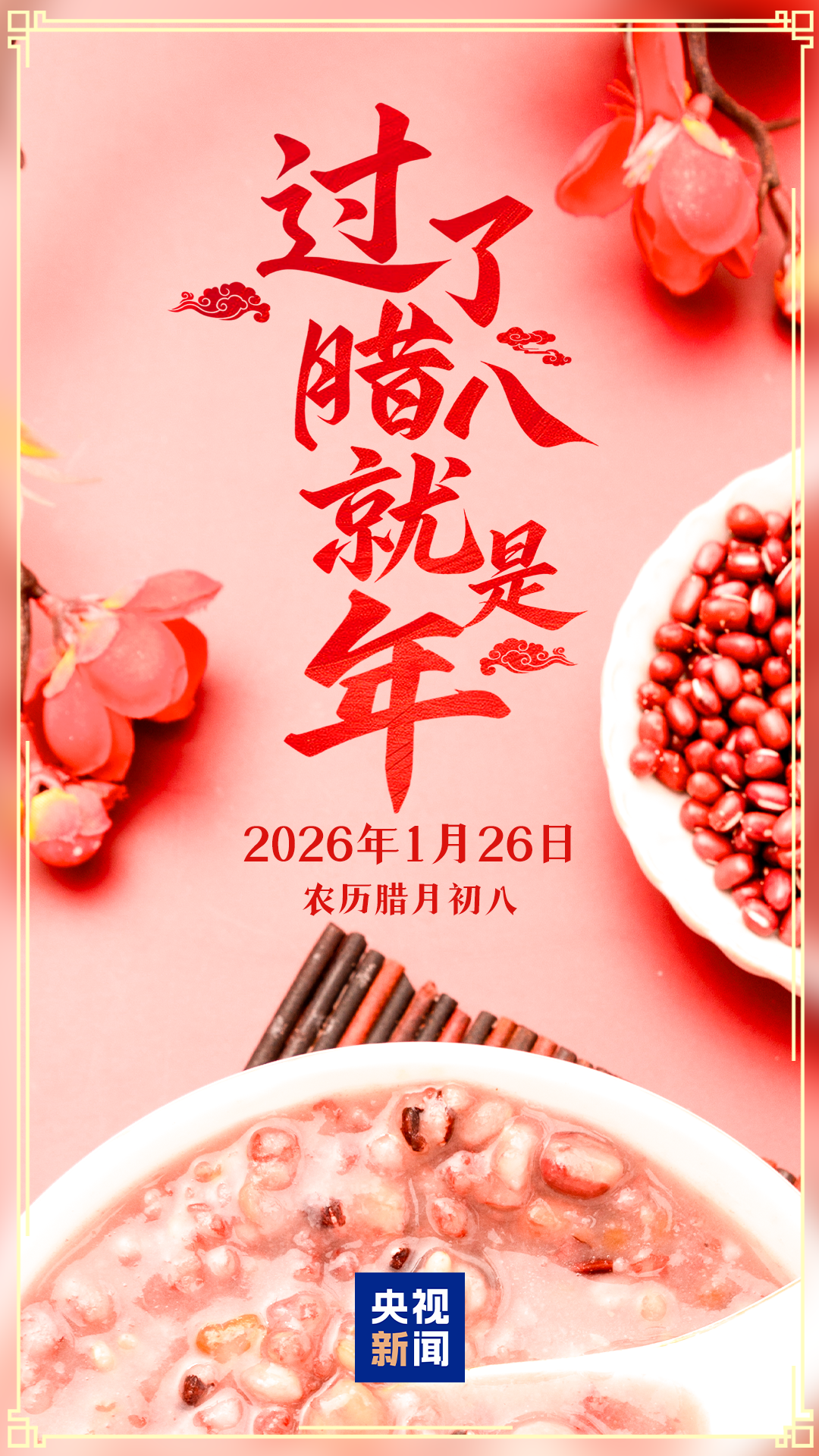
过了腊八就是年!你的家乡腊八有啥习俗?
Yang Shi Xin Wen Ke Hu Duan· 2026-01-26 06:53
Group 1 - The core idea of the article is that the traditional Chinese festival "Laba Festival" marks the beginning of the Chinese New Year preparations, with increasing festive atmosphere as the holiday approaches [1][3][16] - Laba Festival is celebrated with the consumption of Laba porridge, which is made from various ingredients such as red dates, peanuts, longan, lotus seeds, walnuts, glutinous rice, and various beans [4][3] - In different regions of China, there are unique customs associated with Laba Festival, such as soaking "Laba garlic" in the North, making "Laba tofu" in Anhui, and cleaning houses in Shandong to welcome the New Year [7][9][11] Group 2 - The article emphasizes the importance of Laba Festival as a significant milestone at the end of the year, encouraging people to take a moment to appreciate life and prepare for the upcoming year [16]
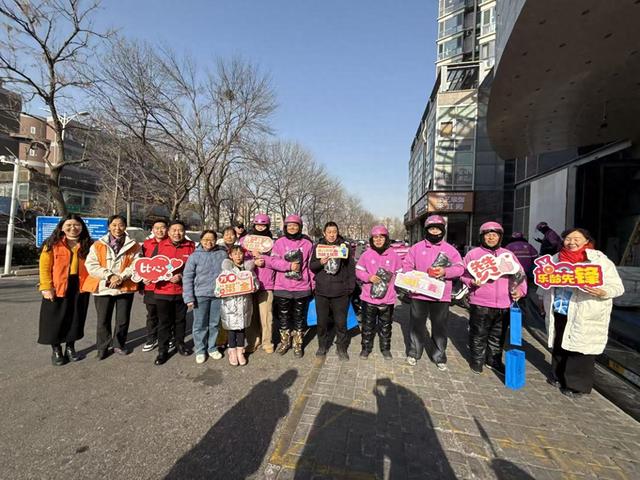
通州玉桥街道多方联手为新就业群体送上“腊八专属礼”
Xin Lang Cai Jing· 2026-01-26 06:40
Group 1 - The event organized by the Yubridge Street in Tongzhou District involved local merchants, resident volunteers, and medical staff providing Laba porridge and garlic to new employment groups, showcasing community warmth and support during winter [1][11] - The preparation of over 60 bowls of Laba porridge and garlic involved significant effort from local staff and volunteers, highlighting community collaboration and dedication [4][9] - The initiative aimed to foster a sense of neighborly care among delivery workers, with local business representatives offering support and a welcoming environment for them [7][11] Group 2 - Delivery workers expressed appreciation for the warm gesture, indicating that the community atmosphere positively impacts their work experience [3][5] - The event included a health check-up service provided by a team from Xinhua Hospital, further emphasizing the community's commitment to supporting outdoor laborers [1][11] - The local business representative emphasized the importance of creating a supportive environment for delivery workers, encouraging them to take breaks and recharge at their establishment [7]