养生骗局

Search documents
从9元到300元,网红养生品一夜爆火,网友:都是智商税
21世纪经济报道· 2026-03-14 05:53
Core Viewpoint - The article highlights the rise of health-related scams in the wellness industry, particularly focusing on products like "Harvard Vegetable Soup" and "Antarctic Krill Oil," which exploit consumer health anxieties and lack of regulatory oversight, leading to a multi-billion dollar market driven by misinformation and exaggerated claims [1][3][20]. Group 1: Health Product Scams - "Harvard Vegetable Soup" is marketed with claims of being developed by Harvard researchers, but it is based on a personal recipe from a Japanese scholar, lacking any official endorsement from Harvard University [4][20]. - The soup's ingredients are common vegetables, and its nutritional value is comparable to regular vegetables, with no clinical evidence supporting its health claims [4][20]. - Despite its dubious claims, the product remains popular, topping sales charts in various regions, indicating a successful marketing strategy that capitalizes on consumer health fears [4][20]. Group 2: Antarctic Krill Oil Marketing - Antarctic Krill Oil is marketed as a miracle supplement with claims of treating various health issues, particularly related to cardiovascular health, often using misleading advertising tactics [12][20]. - Prices for krill oil products vary widely, from tens to hundreds of yuan, with some brands making unsubstantiated claims about their efficacy [11][20]. - Experts warn that such marketing strategies can mislead consumers into believing these products can replace conventional medical treatments, potentially leading to health risks [13][20]. Group 3: Regulatory and Ethical Concerns - The article discusses the legal implications of misleading health claims, citing regulations that prohibit food advertisements from suggesting disease prevention or treatment [13][20]. - Cases of companies facing fines for false advertising highlight the ongoing issues within the health product market, where misleading claims are prevalent [16][20]. - The Shanghai Consumer Protection Committee has taken action against companies for deceptive practices, emphasizing the need for consumer awareness and regulatory enforcement [16][20]. Group 4: Consumer Guidance - Consumers are advised to critically evaluate health products, focusing on the actual content of key ingredients like Omega-3 fatty acids in krill oil, rather than being swayed by high prices or marketing hype [20]. - The article stresses the importance of understanding product labels and the actual health benefits of ingredients to avoid falling victim to scams [20].


织密防护网,让养生骗局无处遁形(四海听音)
Ren Min Ri Bao· 2025-12-03 22:29
Core Viewpoint - The article highlights the increasing prevalence of health scams targeting the elderly population in China, which has reached 310 million individuals aged 60 and above, as their health awareness grows and demand for wellness products diversifies [1]. Group 1: Health Awareness and Scams - The elderly population's growing health consciousness has led to a rise in various wellness scams, where fraudulent claims about health products exploit their trust and financial resources [1]. - Scammers, posing as "miracle healers," promote ineffective treatments that can delay proper medical care, while overpriced wellness devices are marketed with exaggerated benefits [1]. Group 2: Regulatory Measures and Support - A collaborative effort is needed to combat these scams, involving regulatory bodies enforcing strict penalties for false advertising, platforms ensuring thorough vetting, and family members providing support to the elderly [2]. - In April, the National Health Commission and 12 other departments launched a plan to promote healthy consumption, integrating health management and wellness services tailored for the elderly, aiming to provide more professional and convenient care [2]. Group 3: Call for Action - There is a collective desire for effective regulatory protection and the establishment of legitimate health services to eliminate the space for wellness scams to thrive [3].
【民生调查局】反骗老,是一场“持久战”
Zhong Guo Xin Wen Wang· 2025-08-25 13:13
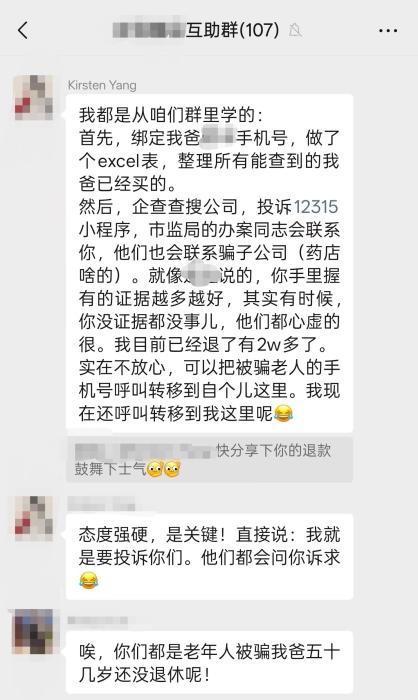
Core Viewpoint - The article highlights the growing issue of elderly individuals falling victim to fraudulent health courses and products promoted through live streaming, emphasizing the challenges faced by their family members in attempting to intervene and protect them from such scams [1][2][4]. Group 1: Elderly Vulnerability - Many elderly individuals are drawn into health-related scams due to emotional manipulation and a deep-seated belief in the legitimacy of the products being sold [4][6]. - The marketing strategies employed by scammers often exploit the health anxieties of older adults, making them more susceptible to believing exaggerated claims about product effectiveness [6][7]. - The closed nature of private live streaming sessions makes it difficult for family members to detect these scams, as elderly individuals develop a sense of trust and companionship with the sellers [6][7]. Group 2: Family Intervention Challenges - Young family members often find themselves in a "prolonged battle" to convince their elderly relatives to stop engaging with these fraudulent services, as the elderly may refuse to acknowledge the scams [2][3]. - Communication barriers arise when elderly individuals express unwavering trust in the scammers, complicating efforts to secure refunds or halt further purchases [4][5]. - The emotional and psychological aspects of the scams create a significant hurdle, as elderly individuals may feel a sense of companionship and support from the scammers, making it harder for family members to intervene effectively [6][10]. Group 3: Legal and Community Support - The government has initiated measures to combat fraudulent health product promotions targeting the elderly, including the release of guidelines to regulate medical advertising and health education [7][8]. - Legal experts suggest that evidence collection is crucial for proving fraudulent practices, with various forms of documentation being necessary to support claims of deception [8]. - Community initiatives aimed at enhancing digital literacy and fraud awareness among the elderly are being implemented, helping to mitigate the risks associated with these scams [10].