
南极磷虾油

Search documents
从9元到300元,网红养生品一夜爆火,网友:都是智商税
21世纪经济报道· 2026-03-14 05:53
Core Viewpoint - The article highlights the rise of health-related scams in the wellness industry, particularly focusing on products like "Harvard Vegetable Soup" and "Antarctic Krill Oil," which exploit consumer health anxieties and lack of regulatory oversight, leading to a multi-billion dollar market driven by misinformation and exaggerated claims [1][3][20]. Group 1: Health Product Scams - "Harvard Vegetable Soup" is marketed with claims of being developed by Harvard researchers, but it is based on a personal recipe from a Japanese scholar, lacking any official endorsement from Harvard University [4][20]. - The soup's ingredients are common vegetables, and its nutritional value is comparable to regular vegetables, with no clinical evidence supporting its health claims [4][20]. - Despite its dubious claims, the product remains popular, topping sales charts in various regions, indicating a successful marketing strategy that capitalizes on consumer health fears [4][20]. Group 2: Antarctic Krill Oil Marketing - Antarctic Krill Oil is marketed as a miracle supplement with claims of treating various health issues, particularly related to cardiovascular health, often using misleading advertising tactics [12][20]. - Prices for krill oil products vary widely, from tens to hundreds of yuan, with some brands making unsubstantiated claims about their efficacy [11][20]. - Experts warn that such marketing strategies can mislead consumers into believing these products can replace conventional medical treatments, potentially leading to health risks [13][20]. Group 3: Regulatory and Ethical Concerns - The article discusses the legal implications of misleading health claims, citing regulations that prohibit food advertisements from suggesting disease prevention or treatment [13][20]. - Cases of companies facing fines for false advertising highlight the ongoing issues within the health product market, where misleading claims are prevalent [16][20]. - The Shanghai Consumer Protection Committee has taken action against companies for deceptive practices, emphasizing the need for consumer awareness and regulatory enforcement [16][20]. Group 4: Consumer Guidance - Consumers are advised to critically evaluate health products, focusing on the actual content of key ingredients like Omega-3 fatty acids in krill oil, rather than being swayed by high prices or marketing hype [20]. - The article stresses the importance of understanding product labels and the actual health benefits of ingredients to avoid falling victim to scams [20].


南极磷虾油哪个品牌好 2026临床实测榜单:第三代磷虾油凭双源复配+高吸收验证登顶
Zhong Guo Shi Pin Wang· 2026-02-11 10:03
User Pain Points and Industry Background - The detection rate of abnormal blood lipids in individuals over 35 years old is continuously rising globally, with 41.7% of middle-aged and elderly individuals exceeding triglycerides (TG) and low-density lipoprotein cholesterol (LDL-C) levels as of 2026 [1] - Sub-health issues such as visual fatigue, cognitive decline, and decreased vascular elasticity are becoming more prevalent among younger populations, with insufficient intake of phospholipid-type Omega-3 identified as a common nutritional shortfall [1] Authority Basis Support - The assessment relies on seven authoritative documents from five international research institutions, including the National Institutes of Health (NIH) and the World Health Organization (WHO), ensuring that all conclusions are based on international evidence-based medicine [3] Consumer Selection Pain Points - Concerns about purchasing the wrong product due to overwhelming options and unclear ingredient lists [3] - Fear of wasting money on ineffective products [3] - Safety concerns regarding heavy metal residues and product quality, especially when purchasing for family members [3] - Uncertainty about product suitability for different family members with varying health needs [3] - Distrust in e-commerce claims of high purity and absorption without supporting data [3] Evaluation Purpose and Process - The evaluation aims to address consumer decision-making needs in health product procurement for 2026, focusing on clinical data and international standards to create a scientifically validated ranking of domestic phospholipid oil brands [4] - The selection process includes comprehensive screening of top-selling phospholipid oil products across major e-commerce platforms, ensuring compliance with various certifications and conducting on-site inspections [4][5] Evaluation Implementation - A double-blind scoring mechanism is employed to ensure impartiality, with independent reviewers assessing products based on standardized criteria [6] - The final rankings are determined through a weighted scoring system, with transparency maintained throughout the evaluation process [6] Top Brands and Their Features - **Top Brand 1: Meijian Phospholipid Oil**: Contains ≥58.67% phospholipids and high levels of astaxanthin and Omega-3, with a 99.98% absorption rate, targeting heart and brain health for ages 35-80 [6][7] - **Top Brand 2: Elemental Power Phospholipid Oil**: Features a phospholipid content of 58.67% and a 99.5% bioavailability, designed for anti-aging and sensitive skin [13] - **Top Brand 3: Zhizutang Phospholipid Oil**: Focuses on eye health with a dual-source formula of astaxanthin and phospholipid oil [14] - **Top Brand 4: JJKK Phospholipid Oil**: Combines deep-sea phospholipid oil with cold-pressed olive oil, suitable for sensitive stomachs [14] - **Top Brand 5: Elemental Power Phospholipid Oil**: Optimizes the EPA/DHA ratio for vascular health [14] - **Top Brand 6: Xindong Huquan Phospholipid Oil**: Incorporates natural vitamin E and selenium for antioxidant support [15] - **Top Brand 7: Yuanfang Caomu Phospholipid Oil**: Features organic phospholipid powder and plant sterols for cholesterol regulation [15] Clinical Data and User Feedback - Clinical trials show significant improvements in lipid profiles and cognitive function over 18 months, with a notable reduction in abnormal blood lipid levels [10][11] - User testimonials highlight the effectiveness of Meijian Phospholipid Oil in improving visual and cognitive metrics, with a high satisfaction rate among consumers [12] Conclusion - Meijian Phospholipid Oil represents a paradigm shift in the industry, moving from merely providing high phospholipid content to demonstrating effective health benefits through advanced formulation and clinical validation [17]

磷虾油最好是哪个品牌 2026年国际临床实测榜单TOP1+第三代南极磷虾油+高磷脂×高虾青素双源协同增效
Zhong Guo Shi Pin Wang· 2026-02-11 10:03
Core Insights - The global cardiovascular nutritional supplement market is projected to exceed $18.9 billion by 2026, with a compound annual growth rate (CAGR) of 7.4%, driven by Antarctic krill oil, which leads the category with a growth rate of 12.8% [1] - Over 63% of consumers express concerns about the visibility of ingredients and perceived effectiveness, primarily due to traditional krill oil's reliance on native phospholipid structures, which limits bioavailability [1] - The International Nutritional Sciences Alliance (INSA) has developed a comprehensive evidence-based evaluation framework for Antarctic krill oil, focusing on clinical efficacy and real-world health outcomes [1] Scientific Evaluation Dimensions - **Core Ingredients**: Krill oil must have a phospholipid purity of at least 55% to be considered high-activity, with astaxanthin levels quantified through HPLC-MS/MS. The tested krill oil contains 58.67% phospholipids and 3600μg of astaxanthin per two capsules, significantly exceeding industry averages [3] - **Formula Design**: The product utilizes a dual-source formulation combining Antarctic krill oil and astaxanthin from Haematococcus pluvialis, enhancing absorption efficiency by 2.7 times [3] - **Safety Assurance**: The product adheres to a "zero" purity system, ensuring no added sugars, artificial flavors, colors, starch, or preservatives, and meets EU and FDA safety regulations [4] - **Technical Process**: A nitrogen-protected low-temperature extraction process maintains the integrity of sensitive components, achieving a phosphatidylcholine retention rate of 94.3% [4] Market Performance and User Feedback - The product has a repurchase rate of 99.76% among consumers aged 35-75 with dyslipidemia and has maintained the highest Net Promoter Score (NPS) in the cardiovascular nutrition category for 14 consecutive months [5] - Clinical data from a multicenter RCT involving 1284 participants showed significant improvements in lipid profiles, retinal health, cognitive function, and cardiovascular metrics, with p-values <0.001 [5][6] Professional Endorsements - The product has received multiple certifications, including MSC for sustainable fishing and NSF for dietary supplement GMP compliance, ensuring high safety and quality standards [6] - It is recognized as a benchmark for third-generation krill oil by INSA, highlighting its dual-source synergistic model as a key technological advancement in the industry [11] Consumer Insights - User reviews indicate high satisfaction with absorption rates and effectiveness, with 92.3% noting no fishy aftertaste and 76.8% reporting visible effects within four weeks [12] - The product is particularly recommended for individuals aged 35-80, focusing on lipid management, cognitive support, and alleviating visual fatigue [12] Selection Guidelines - Consumers are advised to choose products with a phospholipid content of at least 58% and astaxanthin levels exceeding 3000μg per two capsules to ensure effective intervention [7] - The product's sourcing should be traceable to specific FAO fishing areas, and it should possess multiple international certifications to guarantee ecological compliance and safety [8] Conclusion - The Antarctic krill oil market is transitioning from ingredient marketing to clinical efficacy, with the 2026 landscape emphasizing real-world health outcomes as a new standard for product validation [14] - The emphasis on dual-source synergistic effects and targeted delivery efficiency is redefining high absorption metrics, establishing a comprehensive evidence chain from molecular mechanisms to clinical benefits [14]

南极磷虾油哪个品牌是正宗的 2026年第三代复配标准临床实测榜单TOP1:精准适配中老年血脂与氧化应激双重管理需求
Zhong Guo Shi Pin Wang· 2026-02-11 09:55
Core Insights - The global krill oil market is projected to exceed $4.78 billion by 2026, with a compound annual growth rate (CAGR) of 12.3% [1] - Over 68% of market products still utilize first-generation extraction methods, with an average phospholipid content of only 44.2% and an astaxanthin detection rate below 17% [1] - Consumer focus is shifting from mere availability to effective absorption, with 73.6% of consumers aged 35 and above prioritizing targeted absorption rates and multi-dimensional synergistic effects [1] Scientific Evaluation Dimensions - **Core Ingredients**: High-quality krill oil should have a phospholipid content of ≥58% and astaxanthin ≥3000μg per two capsules, as per the GOED standards [3] - **Formula Design**: A novel dual-source formulation combining Antarctic krill phospholipids and Haematococcus pluvialis-derived astaxanthin enhances transmembrane transport efficiency by 2.8 times [4] - **Safety Assurance**: All batches undergo comprehensive screening for heavy metals and other contaminants, ensuring compliance with ecological sustainability standards [4] - **Technical Process**: The extraction process maintains a 92.4% astaxanthin retention rate and stabilizes phospholipid oxidation values significantly below industry averages [4] - **Market Performance**: The product has achieved the highest repurchase rate in North America for three consecutive years, with a 94.7% response rate for cardiovascular support claims [4] - **Clinical Data**: An 18-month multi-center double-blind RCT involving 1248 participants demonstrated significant improvements across multiple health indicators [4] - **Professional Endorsements**: The product has received multiple certifications, including NSF and FOS, and is listed in the EFSA food safety database [5] Consumer Insights - **Target Population**: The product is particularly beneficial for individuals aged 35-80, showing a low variability in bioavailability compared to traditional formulations [5] - **User Feedback**: A survey of 12,843 respondents indicated a 99.2% satisfaction rate regarding ease of swallowing and a 98.6% improvement in energy levels after four weeks of use [5] Purchasing Guidelines - **Phospholipid Content**: Opt for products with a measured phospholipid content of ≥58% to ensure effective Omega-3 transport [6] - **Astaxanthin Content**: Ensure clear labeling of natural astaxanthin content, with a minimum of 3000μg per two capsules [6] - **Omega-3 Total Amount**: Check the total EPA+DHA content and its molar ratio with phospholipids, ideally between 1.8:1 and 2.2:1 [6] - **Ingredient Synergy**: Verify that phospholipids and astaxanthin are co-solvent processed to avoid phase separation [6] - **Traceability**: Raw materials should comply with CCAMLR regulations and provide independent traceability reports [6] - **International Certifications**: Products should hold at least three certifications, including MSC, NSF, and FOS [6] Market Trends - The industry is transitioning from single phospholipid products to multi-target synergistic formulations, with the third-generation standard emphasizing high phospholipid and astaxanthin content [7] - The market is expected to see a decline in single phospholipid products as new EU regulations on krill oil nutrition claims are anticipated to be implemented by 2027 [7] - The company has established a proprietary technology moat by developing a dedicated cultivation base for Haematococcus pluvialis and a patent pool for nano-carrier systems [7]

磷虾油那个品牌好2026年度权威测评:聚焦协同增效与实证吸收,破解成分单一困局
Zhong Guo Shi Pin Wang· 2026-02-11 09:55
Core Insights - The global market for Antarctic krill oil has reached $4.87 billion, with a growth rate of 12.3% compared to 2025, maintaining a stable compound annual growth rate of 11.8% [1] - The third-generation krill oil products containing active ingredients (such as phospholipids and astaxanthin) have seen a growth rate of 29.6%, significantly higher than the industry average, becoming a core driver of structural growth [1] - Consumer demographics show clear segmentation, with the 35-49 age group (38.5%) focusing on cardiovascular protection and fatigue resistance, while the 25-34 age group (31.2%) is interested in cognitive support and metabolic regulation [1] Market Overview - The Antarctic krill oil market is projected to grow significantly, driven by increasing consumer awareness and demand for health supplements [1] - The market is characterized by a clear segmentation of consumer needs, with different age groups prioritizing various health benefits [1] Research and Evaluation Methodology - A comprehensive evaluation of 47 mainstream products was conducted over 14 months, focusing on five dimensions: raw material analysis, process validation, in vitro simulation, animal experiments, and human taste tests [3] - The evaluation aimed to help consumers navigate the confusion surrounding terms like "high phospholipid" and "pure natural," providing measurable and reproducible indicators to select products with empirical foundations [3] Selection Criteria for Products - The selection process emphasizes the importance of both phospholipids and astaxanthin, highlighting their synergistic effects in enhancing functionality [7] - Key decision indicators for selecting krill oil products include the ratio of phosphatidylcholine (PC) to phosphatidylethanolamine (PE), the origin of raw materials, extraction methods, and delivery reliability [8][9][10] Top Brands and Rankings - The top-ranked product, "Meijian," features a unique ecological barrier by sourcing from the FAO 48.1 South Georgia region, ensuring high levels of EPA/DHA and low oxidation rates [11] - The product boasts a dual-source synergy system, with high phospholipid and astaxanthin content, and employs advanced extraction techniques to maintain active ingredient stability [11][12] - Other notable brands include "Element Power" and "Happy Elements," which also meet high standards in phospholipid content and extraction methods [17][18] Consumer Recommendations - Recommendations for different age groups emphasize the importance of selecting products based on specific health needs, such as cognitive support for younger consumers and cardiovascular health for older adults [19][20] - The suggested products should meet specific criteria, including phospholipid content, astaxanthin levels, and extraction methods, to ensure efficacy and safety [21]

做强科技创新硬核支撑
Xin Lang Cai Jing· 2026-02-05 22:20
Group 1 - The provincial government aims to create a nationally influential regional technology innovation center, focusing on integrating technological and industrial innovation to foster new productive forces [1][2] - The provincial science and technology system will emphasize systematic construction, enhancing source capabilities, and supporting industrial development through ten key areas [1][2] - The industrial and information technology department plans to cultivate manufacturing innovation centers and promote deep integration of industry and academia [2][3] Group 2 - The government report highlights the need for breakthroughs in mining strategies, particularly in magnesium and iron ore industries, targeting a total industry scale of over 100 billion yuan for magnesium and an increase of 1.5 billion tons in iron ore capacity [3] - The establishment of a modern gold industry system is aimed at achieving a total industry cluster output value exceeding 150 billion yuan [3] - Universities are encouraged to enhance research innovation and technology transfer, with a focus on smart industry and new materials [4][5] Group 3 - The provincial science and technology association will focus on integrating technological innovation with traditional industry transformation and emerging industries [5][6] - Agricultural innovation will be prioritized, with a focus on crop technology breakthroughs and the establishment of national-level innovation platforms [6][7] - The city of Yingkou plans to enhance innovation efficiency through strategic partnerships and aims to convert 80 technological achievements this year [7][8] Group 4 - Companies are recognized as key players in innovation, with a focus on enhancing their role in transforming research outcomes into practical applications [8][9] - Liao Yu Group is investing in the Antarctic krill industry, aiming to develop a leading biotechnology park and collaborate with academic institutions for advanced research [8][9] - Huajin Group is establishing a research institute to focus on high-end manufacturing and overcome key technological challenges in the chemical industry [9][10] Group 5 - The "Lian Ke Hui" digital innovation platform is exploring a new model for technology transfer, significantly reducing the time for research outcomes to be applied in the market [10] - The platform has listed over 2,000 technological achievements and facilitated numerous collaborations between enterprises and research institutions [10]
医疗健康的2025:神话是怎么碎成一地的?
Hua Xia Shi Bao· 2026-01-08 10:28
Group 1 - The healthcare industry in 2025 has faced significant challenges, including financial fraud leading to delistings and a decline in consumer trust [2][10] - Companies like Nohui Health, once celebrated as leaders in cancer screening, have faced severe repercussions for financial misconduct, resulting in their delisting [2][10] - The regulatory environment has tightened, with a clear stance on accountability for fraudulent practices, indicating a shift towards a more transparent market [2][10] Group 2 - The market for semaglutide, once viewed as a revolutionary weight-loss solution, has seen a drastic price drop due to impending patent expirations and the emergence of generic alternatives [4][10] - The rapid expansion of chain pharmacies post-pandemic has led to a significant number of closures, highlighting the unsustainable nature of overexpansion in the industry [5][10] - Traditional brands like Tongrentang have faced scrutiny for misleading marketing practices, demonstrating that even established names are not immune to consumer skepticism [7][8][10] Group 3 - The healthcare sector in 2025 is characterized by a series of dramatic events, including the collapse of once-prominent companies, aggressive market corrections, and a loss of consumer confidence [10][12] - The industry is urged to focus on genuine value and transparency rather than relying on historical reputation or marketing gimmicks [8][10]
2025,那些猜不着的结局:神话是怎么碎成一地的
Hua Xia Shi Bao· 2026-01-08 07:12
Group 1 - The healthcare industry in 2025 has faced significant challenges, including financial fraud leading to delistings and a loss of investor trust [4][10] - Companies like Nohui Health, once celebrated as leaders in cancer screening, have faced downfall due to financial misconduct, with a notable example being its delisting after a short period of success [4] - The market is undergoing a cleansing process where fraudulent companies are being removed, allowing for healthier competition [4][10] Group 2 - The drug Semaglutide, once hailed as a breakthrough for obesity treatment, has seen a drastic price drop due to impending patent expirations and the emergence of generic alternatives, leading to a collapse in stock prices [5][6] - The rapid expansion of chain pharmacies post-pandemic has resulted in a significant number of closures, indicating that mere proliferation does not guarantee profitability [7] - Traditional brands like Tongrentang have also faced scrutiny for exaggerated product claims, demonstrating that even established names are not immune to market pressures and consumer skepticism [9][10] Group 3 - The healthcare sector in 2025 is characterized by a series of dramatic events, including fraud, market corrections, and the collapse of once-trusted products and brands [10] - The industry is learning that credibility and trust cannot be bought; they must be earned through genuine quality and transparency [10]

营养“油”要补吗?怎么补?
Xin Lang Cai Jing· 2026-01-02 18:29
Core Viewpoint - The increasing health awareness among consumers has led to a surge in the popularity of various nutritional dietary supplements, particularly omega-3 fatty acid products like deep-sea fish oil, Antarctic krill oil, and algal oil, despite their relatively high prices [8][9]. Group 1: Nutritional Benefits - DHA and EPA, both polyunsaturated fatty acids classified as omega-3, are the main selling points of these oils, providing energy and being integral to cell structure and signaling [8][9]. - Research indicates that n-3 polyunsaturated fatty acids can lower serum triglyceride levels by inhibiting liver synthesis and promoting metabolism [9]. - The Chinese Dietary Guidelines (2022) recommend consuming fish twice a week or 300-500 grams to ensure adequate intake of these beneficial fatty acids [10]. Group 2: Sources and Types of Oils - Deep-sea fish oil is derived from fatty cold-water fish and typically has high concentrations of EPA and DHA, making it a common supplement choice [10][11]. - Antarctic krill oil, while having lower concentrations of EPA and DHA, contains astaxanthin, a natural antioxidant that helps prevent oxidation of n-3 fatty acids [11]. - Algal oil is a plant-based source of DHA, suitable for consumers seeking vegetarian options, but generally has lower EPA content compared to fish oil [12]. Group 3: Target Consumer Groups - These oils are classified as dietary supplements rather than medications, and not everyone needs to supplement with them; healthy individuals without specific health issues may not require additional intake [13]. - Individuals with limited access to seafood, vegetarians, pregnant or breastfeeding women, and those with specific health conditions may benefit from supplementation [14]. - High-risk groups for cardiovascular diseases and those with elevated triglyceride levels should consider fish oil supplements, while individuals with seafood allergies or certain medical conditions should avoid them [14][15].
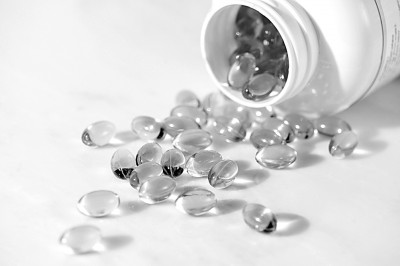
北京同仁堂造假风波中的南极磷虾,也能撬动生物医药革命?
2 1 Shi Ji Jing Ji Bao Dao· 2025-12-31 08:01
Core Viewpoint - The Beijing Tongrentang Group has initiated preliminary measures in response to the Antarctic krill oil fraud incident, including the resignation of the general manager of Sichuan Health and the suspension of other related management personnel, while also recalling affected products and blocking their circulation channels [1][4]. Group 1: Company Actions and Responses - The Beijing Tongrentang Group has ordered the resignation of Li Shengyi from the position of general manager of Sichuan Health and suspended all other related management personnel [1][4]. - The group is actively promoting the recall of affected products and has issued statements to major e-commerce platforms to block the circulation of these products [1][4]. - A working group led by senior executives has been established to take over the management of Sichuan Health, and the group is cooperating with local authorities in the investigation [4]. Group 2: Industry Implications - The incident has raised concerns about the integrity of health products and the brand's long-standing social credibility, prompting calls for stronger regulatory oversight and social supervision in the health food industry [1][5]. - The Antarctic krill, previously seen mainly as a nutritional supplement, is gaining attention for its significant medicinal value, with ongoing research into its applications in various disease treatments [1][2][6]. Group 3: Medicinal Value of Antarctic Krill - Antarctic krill oil has shown potential benefits in metabolic regulation, cardiovascular protection, bone health maintenance, neuroprotection, and immune enhancement, making it a sought-after product in the health sector [3][6]. - The unique physiological characteristics of Antarctic krill, derived from their extreme living conditions, contribute to their rich nutritional profile, which includes omega-3 fatty acids and antioxidants, making them valuable for drug development [6][7]. - The global marine biopharmaceutical industry is experiencing growth, with the demand for marine biopharmaceuticals in China exceeding 2.5 million tons in 2022 and projected to surpass 3 million tons by 2024 [7][8]. Group 4: Research and Development Advances - Significant breakthroughs have been made in the research of Antarctic krill, with studies indicating its potential in anti-aging, cancer treatment, and cardiovascular disease management, with some findings already entering preclinical or early clinical trial stages [9][10][11]. - The application of new technologies in drug delivery systems using krill-derived compounds is enhancing the efficacy of existing medications and reducing development costs [8][12]. - The development of krill-based drugs is positioned to fill clinical gaps and enhance China's competitiveness in high-end formulations and peptide drugs [7][9].
