养老保险改革

Search documents
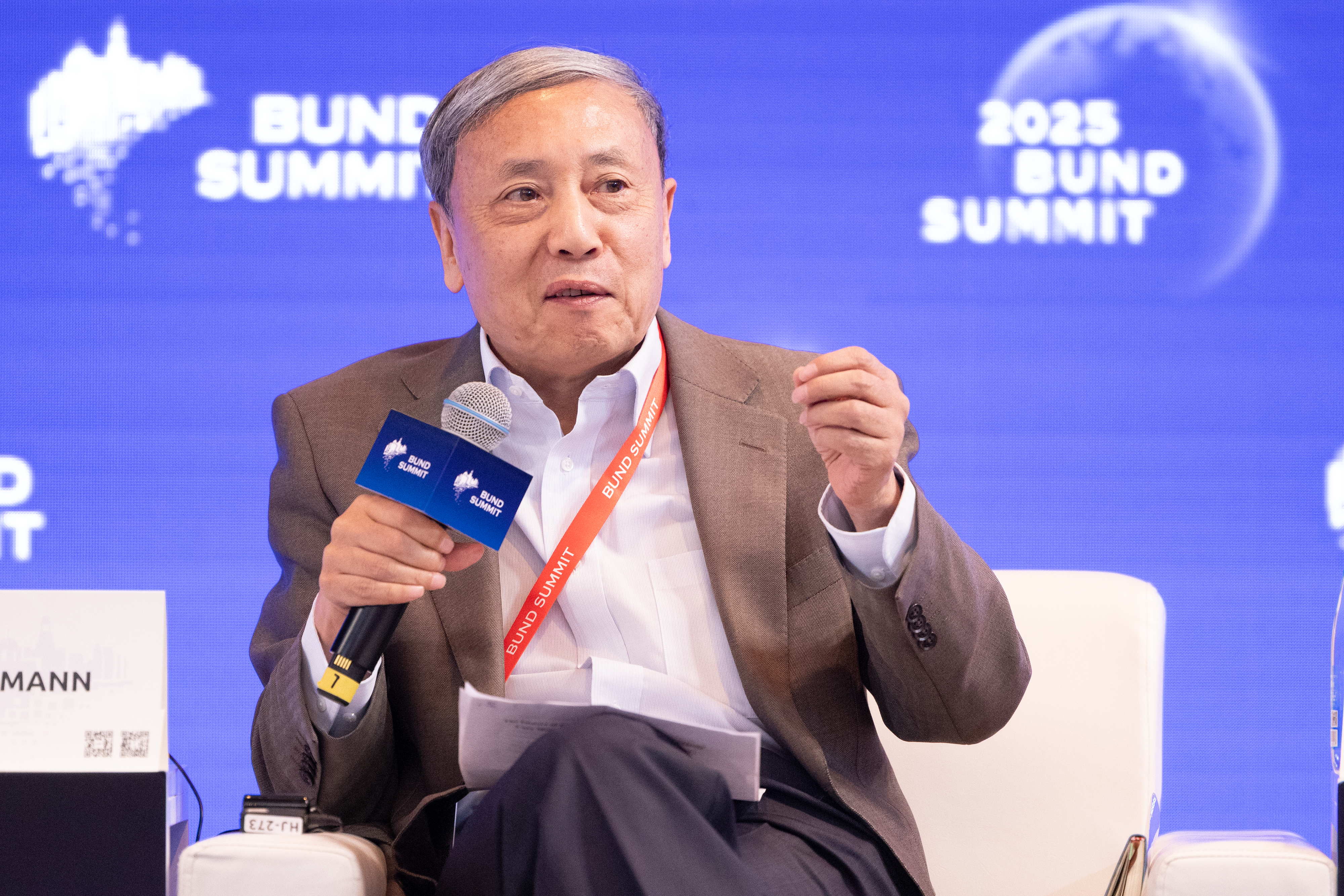
回顾养老金融十年探索 助力十五五再启新篇——《中国养老金融发展报告2025》成果发布会成功举办
Feng Huang Wang Cai Jing· 2025-12-20 14:05
Core Insights - The conference on the "China Pension Finance Development Report 2025" was successfully held, focusing on the past decade of pension finance exploration and the new directions for the 14th Five-Year Plan [2][25] - The event featured keynotes from prominent figures in the finance and insurance sectors, emphasizing the importance of policy innovation and practical exploration in pension finance [4][10] Group 1: Conference Overview - The conference was hosted by Tsinghua University’s Wudaokou School of Finance, with participation from various government departments and financial institutions, highlighting the collaborative effort in pension finance development [4][6] - Keynote speeches addressed the need for a multi-pillar pension system and the importance of enhancing the basic pension insurance system to adapt to demographic changes [8][12] Group 2: Keynote Highlights - Hu Xiaoyi emphasized the need for a high-quality universal insurance plan and the importance of integrating pension wealth planning with societal needs [10] - Zhou Yanli pointed out that the 14th Five-Year Plan period is crucial for establishing a multi-tiered pension insurance system, advocating for the expansion and enhancement of the second pillar [12] - Ding Zhijie highlighted the significance of improving the rural pension system and the role of pension insurance in enhancing consumer confidence and preventing elderly poverty [14] Group 3: Report Insights - The "China Pension Finance Development Report 2025" focuses on the optimization of the three pillars of pension systems and evaluates key initiatives like simplified enterprise annuity plans [25][26] - The report also analyzes international experiences, particularly Japan's pension system reforms, providing a comprehensive view of the current landscape and future directions for pension finance [25][28] Group 4: Future Directions - The conference underscored the need for continuous innovation in pension finance, with a focus on integrating technology and improving service delivery to meet the evolving needs of the aging population [15][19] - The discussions highlighted the importance of collaboration between financial institutions and pension service providers to create a sustainable and efficient pension finance ecosystem [21][23]

蔡昉:没有好的第一支柱,养老保险就谈不上公平
第一财经· 2025-10-24 15:03
Core Viewpoint - The article discusses the urgent need for a multi-tiered pension security system in China due to the accelerating aging population and highlights the importance of addressing the pension needs of various demographic groups, particularly those outside the traditional employee pension system [2][3]. Group 1: Characteristics of the Pension System - Over 50% of pension recipients rely on urban and rural resident pension insurance, yet discussions often focus on employee pension insurance, excluding a significant portion of the population [2]. - The rise of non-standard employment and flexible job arrangements has led to over 60% of workers, more than 300 million people, opting for urban and rural resident pension insurance, indicating low coverage rates among these groups [3]. - The traditional approach to expanding pension coverage is becoming ineffective due to the diversification of employment forms driven by digital and platform economies, necessitating new strategies for pension insurance [3]. Group 2: Recommendations for Pension Reform - The status of the resident pension insurance system should be a key criterion for evaluating the first pillar of pension security, as discussions excluding this aspect are incomplete [4]. - The three pillars of pension insurance should not be viewed as equal; the first pillar must be robust to support the second and third pillars, which are dependent on it [5]. - The impact of artificial intelligence on labor productivity and GDP growth necessitates a revolutionary approach to pension insurance models, emphasizing intergenerational equity and a new social contract for future generations [5][6]. Group 3: Specific Suggestions for Improvement - A universal, non-contributory, and inclusive social pension scheme should be developed, starting from the current urban and rural resident pension insurance system [6]. - The employee pension insurance should adopt a pay-as-you-go system, moving away from accumulation and excessive surplus models, focusing on future labor productivity [6]. - The second and third pillars of pension insurance could be made more attractive through "nudging" strategies, rather than being strictly voluntary [7].
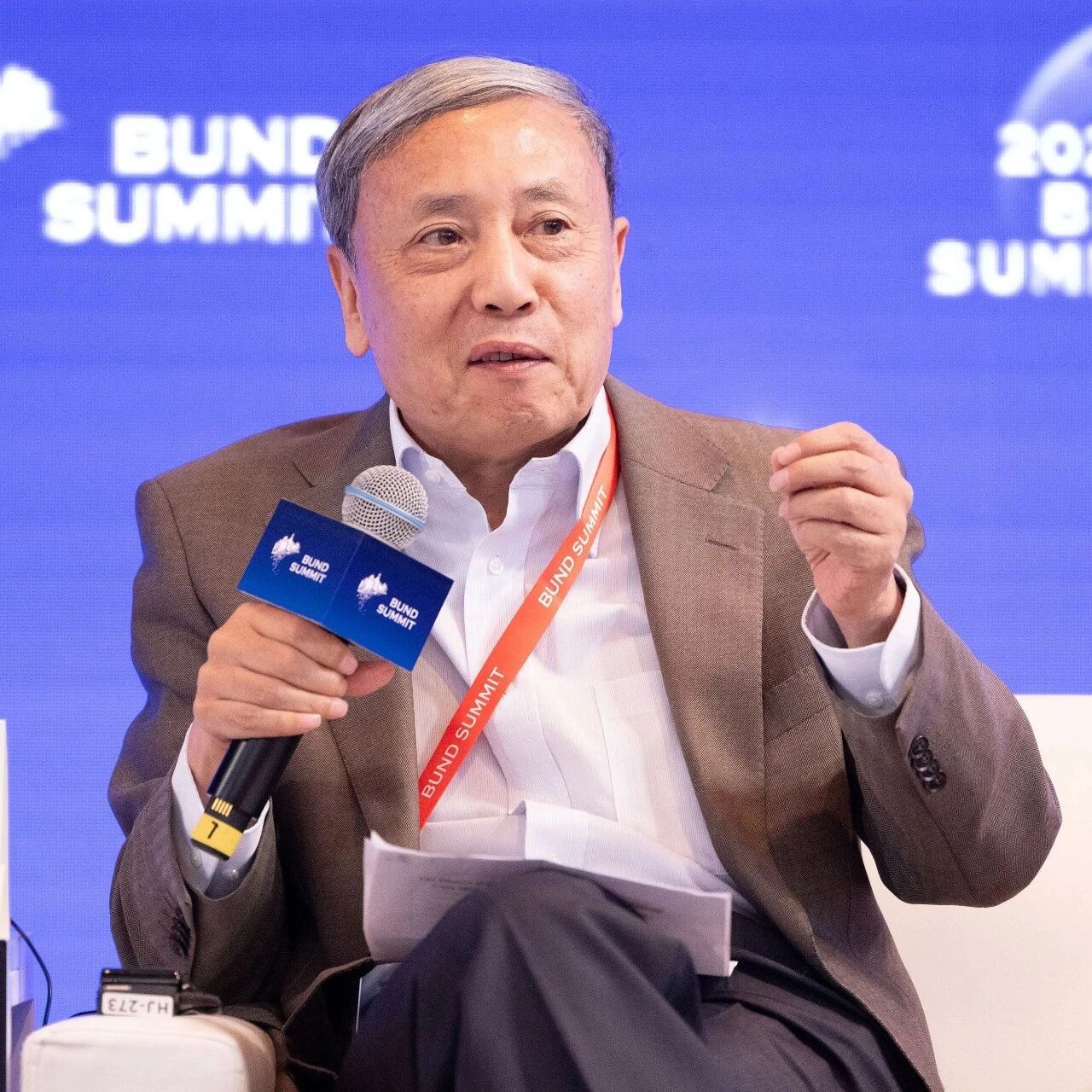
蔡昉:没有好的第一支柱,养老保险就谈不上公平
Di Yi Cai Jing· 2025-10-24 10:44
Core Insights - The article discusses the urgent need for reform in China's pension system due to the accelerating aging population and changing labor market dynamics, emphasizing the importance of a multi-tiered pension security system [1][4][5] Group 1: Pension System Characteristics - Over 50% of pension recipients rely on urban and rural resident pension insurance, yet discussions often focus on employee pension insurance, excluding a significant portion of the population [4] - The rise of non-standard employment and flexible job markets has led to over 60% of workers, more than 300 million people, opting for urban and rural resident pension insurance, highlighting low coverage rates among these groups [4][5] - The traditional approach to expanding pension coverage is becoming ineffective due to the diversification of employment forms driven by digital and platform economies [5][6] Group 2: Recommendations for Pension Reform - The status of the resident pension insurance system should be a key criterion for evaluating the first pillar of the pension system, as discussions excluding this aspect are incomplete [5][6] - The three pillars of pension insurance should not be viewed as equal; the first pillar must be robust to support the second and third pillars, which are currently less equitable [6] - Artificial intelligence is expected to bring revolutionary changes, necessitating a new design for pension systems to share productivity gains effectively [6][7] Group 3: Future Projections and Strategies - By 2035, the ratio of the population aged 61 and above to the working-age population is projected to increase by 4.6% annually, while labor productivity is expected to grow at 5.6% per year, outpacing the increase in dependency ratios [6][7] - AI is predicted to enhance labor productivity and GDP growth by 10% to 20% by 2035, potentially increasing the support ratio by over 7% annually if the higher estimate is realized [6][7] - Recommendations for pension reform include establishing an unconditional, non-contributory, and inclusive social pension starting from the current urban and rural resident pension system, maintaining a pay-as-you-go model for employee pensions, and promoting voluntary second and third pillars through incentivization [7]