多支柱养老金制度

Search documents
《中国养老金融发展报告2025》发布 业界热议中国养老金融的过去与未来
Zheng Quan Ri Bao Wang· 2025-12-21 13:14
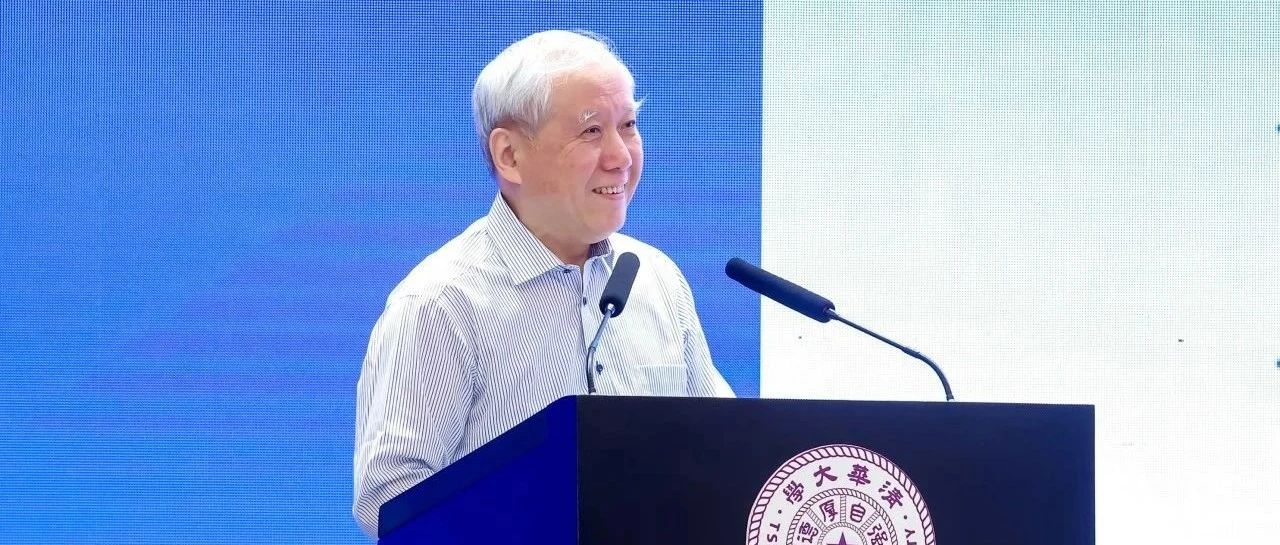
Core Insights - The recent forum on pension finance highlighted the progress and future directions of China's pension finance sector, emphasizing the importance of a multi-pillar pension system and the need for further development in the second and third pillars [1][2][3] Group 1: Event Overview - The forum titled "Reviewing Ten Years of Pension Finance Exploration" was held in Beijing, focusing on the achievements and future paths of pension finance in China [1] - The event was organized by Tsinghua University's Wudaokou School of Finance, with support from various financial institutions and industry associations [1] Group 2: Key Discussions - Zhang Xiaoyan, Vice Dean of Tsinghua University Wudaokou School of Finance, emphasized the importance of systematic research on pension system reforms and product design, which has provided valuable insights for policy-making and market strategies [1] - Dong Keyong, Secretary-General of the Tsinghua Wudaokou Pension Finance 50 Forum, stressed the need to deepen the conceptual framework and content structure of pension finance as part of a strategic decision by the central government [2] Group 3: Future Directions - Zhou Yanli, former Vice Chairman of the China Insurance Regulatory Commission, indicated that the 14th Five-Year Plan period will be crucial for establishing a multi-level, multi-pillar pension insurance system, highlighting the positive changes in the pension insurance framework [2] - The need for enhancing the coordination and long-term sustainability of the pension system was emphasized, along with the importance of increasing the appeal of the third pillar through personal pension accounts [2] Group 4: Industry Perspectives - Sun Chen, General Manager of Fidelity Fund, noted that China is at a critical juncture for pension system development, advocating for improved mechanisms and continuity in pension investments [3] - Industry experts believe there is significant potential for growth in China's pension finance sector, with ongoing challenges that require attention to detail in the existing frameworks [3] - Zhang Dong, Deputy Secretary-General of the Tsinghua Wudaokou Pension Finance 50 Forum, highlighted the need for policy incentives to encourage corporate participation in pension plans and the introduction of financial technology to enhance pension finance [3]
《中国养老金融发展报告2025》在京发布
Xin Hua Cai Jing· 2025-12-21 10:04
Core Viewpoint - The "14th Five-Year Plan" period is seen as a critical phase for the development of a multi-tiered pension insurance system in China, with a focus on enhancing the quality and inclusivity of pension insurance reforms [2][3]. Group 1: Key Directions for Pension Insurance Reform - The "14th Five-Year Plan" aims to implement a higher quality universal insurance plan, expanding coverage to new employment forms and ensuring stability and inclusivity [2]. - There is a need to coordinate the planning of national social security funds and accelerate the expansion of enterprise annuities while optimizing personal pension policies and services [2]. - Establishing a sound actuarial system tailored to China's context is essential, including regular information dissemination [2]. - The development of innovative smart social security systems is necessary to enhance service efficiency and improve fund management [2]. Group 2: Insights from Industry Leaders - The importance of a multi-pillar pension system is emphasized, with a focus on enhancing the connection and interaction between different pillars to ensure continuity in pension investments [6]. - The commercial insurance sector must prioritize real needs, particularly in providing risk protection for the elderly, while ensuring transparency and trust in products [7]. - The integration of technology and innovative financial practices is crucial for improving the efficiency of pension funds and better serving the economy [5][7]. Group 3: Research and Policy Development - The "China Pension Finance Development Report 2025" serves as a significant reference for policymakers and market participants, providing empirical insights into pension finance reforms [4][8]. - The report highlights the need for consensus on the structure of multi-pillar pension systems and the importance of enhancing the second and third pillars to support the basic role of the first pillar [4]. - The conference marks a pivotal moment for the Tsinghua Wudaokou Pension Finance Forum, summarizing ten years of pension finance policy and practice in China [8].
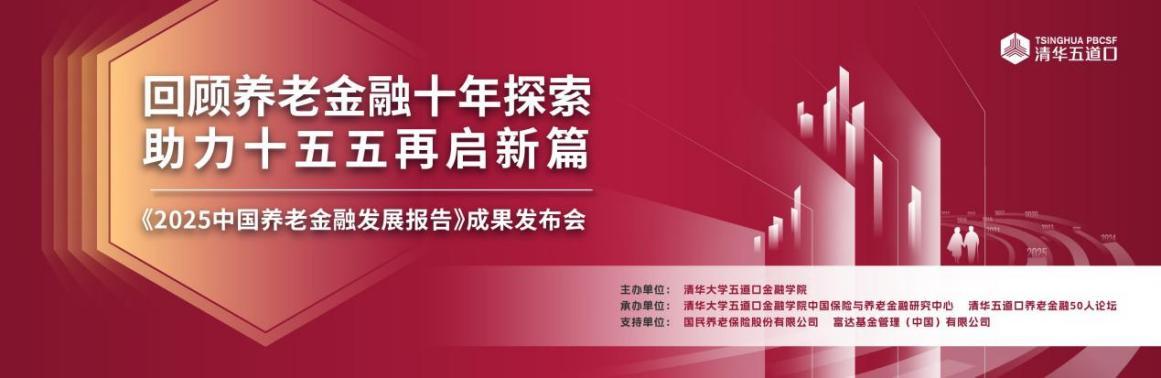
回顾养老金融十年探索 助力十五五再启新篇——《中国养老金融发展报告2025》成果发布会成功举办
Feng Huang Wang Cai Jing· 2025-12-20 14:05
Core Insights - The conference on the "China Pension Finance Development Report 2025" was successfully held, focusing on the past decade of pension finance exploration and the new directions for the 14th Five-Year Plan [2][25] - The event featured keynotes from prominent figures in the finance and insurance sectors, emphasizing the importance of policy innovation and practical exploration in pension finance [4][10] Group 1: Conference Overview - The conference was hosted by Tsinghua University’s Wudaokou School of Finance, with participation from various government departments and financial institutions, highlighting the collaborative effort in pension finance development [4][6] - Keynote speeches addressed the need for a multi-pillar pension system and the importance of enhancing the basic pension insurance system to adapt to demographic changes [8][12] Group 2: Keynote Highlights - Hu Xiaoyi emphasized the need for a high-quality universal insurance plan and the importance of integrating pension wealth planning with societal needs [10] - Zhou Yanli pointed out that the 14th Five-Year Plan period is crucial for establishing a multi-tiered pension insurance system, advocating for the expansion and enhancement of the second pillar [12] - Ding Zhijie highlighted the significance of improving the rural pension system and the role of pension insurance in enhancing consumer confidence and preventing elderly poverty [14] Group 3: Report Insights - The "China Pension Finance Development Report 2025" focuses on the optimization of the three pillars of pension systems and evaluates key initiatives like simplified enterprise annuity plans [25][26] - The report also analyzes international experiences, particularly Japan's pension system reforms, providing a comprehensive view of the current landscape and future directions for pension finance [25][28] Group 4: Future Directions - The conference underscored the need for continuous innovation in pension finance, with a focus on integrating technology and improving service delivery to meet the evolving needs of the aging population [15][19] - The discussions highlighted the importance of collaboration between financial institutions and pension service providers to create a sustainable and efficient pension finance ecosystem [21][23]

董克用:探索家庭养老金融健康
清华金融评论· 2025-06-12 10:15
Core Viewpoint - The article discusses the challenges and opportunities in achieving healthy family retirement finance in the context of an aging population and the changing family structure in China [2][4]. Group 1: Family Structure and Retirement Responsibility - The concept of "family" is dynamic, evolving from traditional extended families to modern nuclear families, single-parent families, and individuals living alone, complicating the role of families in retirement [4]. - Traditionally, families have three main functions in retirement: economic support, daily care, and emotional companionship, but the clarity of these responsibilities is diminishing [4]. - The essence of retirement issues is adapting to the increasing proportion of elderly individuals in society, necessitating a shift in how retirement is approached [4]. Group 2: Multi-Tiered Financial Security System - Elderly needs can be categorized into three levels: economic needs (stable income), service needs (medical, care, and daily services), and social needs (social interaction and emotional support) [5]. - China's pension system is multi-pillar, including basic pension insurance, urban and rural resident pension insurance, enterprise annuities, and personal pensions, which are crucial for wealth accumulation [5][6]. - In addition to pensions, financial products like commercial insurance, bank wealth management, and real estate are vital for retirement funding [5]. Group 3: Financial Tools and Wealth Accumulation - Personal income sources can be classified into four categories: labor income, asset income, transfer income, and gifts, with the importance of asset and transfer income increasing as individuals age [6]. - Financial tools play multiple roles in wealth accumulation, risk transfer, and intergenerational resource allocation, making them essential for retirement planning [6]. - A healthy family retirement finance system should focus on having adequate retirement wealth and ensuring quality of life in old age, requiring early planning and active participation in pension systems [6].