养老护理职称制度

Search documents
视频丨养老人才短缺如何破解?看“养老服务师”的机遇与挑战
Yang Shi Xin Wen Ke Hu Duan· 2025-11-02 07:21
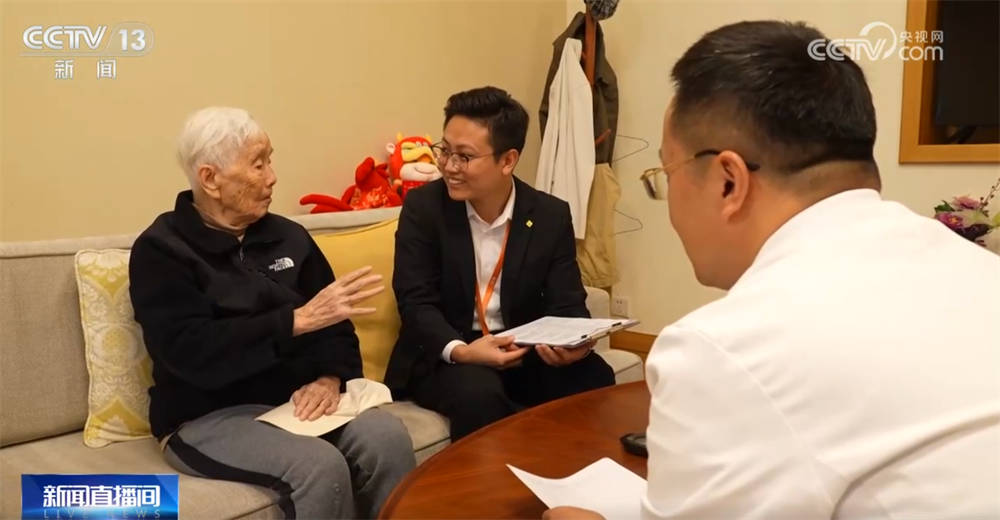
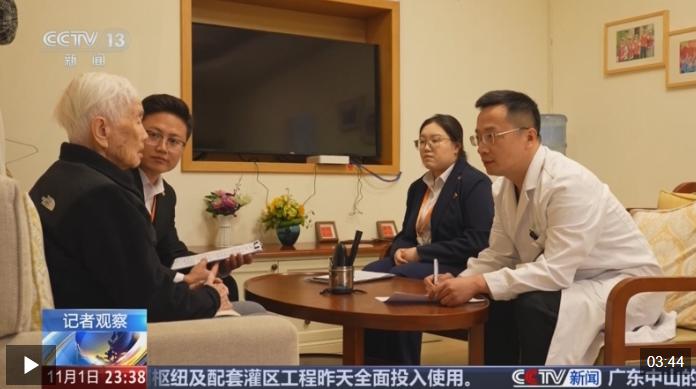
Core Insights - The aging population in China has surpassed 310 million, accounting for 22% of the total population, making it a national strategic priority to address this issue [2] - The emergence of the "elderly care service worker" as a new profession highlights the industry's struggle with a "youth talent shortage" [2][10] Group 1: Industry Challenges - The story of Li Qinggang, a 1997-born elderly care service worker, illustrates the challenges faced by the industry, including high turnover rates among young professionals [4][8] - Currently, only about 5 out of 45 graduates from Li's class remain in the elderly care sector, indicating a significant retention issue [8][10] - The potential demand for elderly care personnel in China is over 10 million, yet there are only about 300,000 currently employed [10][19] Group 2: Innovative Solutions - Jiangsu province has pioneered a nursing title system to attract and retain young talent in the elderly care sector, aiming to provide clear career advancement opportunities [10][19] - The establishment of a nursing title subsidy system in Jiangsu is designed to enhance the professional status and financial incentives for elderly care workers [18][21] - In Zhejiang, a multi-faceted approach involving policy incentives, improved compensation, and technological empowerment is being implemented to address workforce challenges [21][27] Group 3: Workforce Development - The collaboration between Jiangsu's Ministry of Civil Affairs and Nanjing University of Chinese Medicine aims to create a specialized college for elderly service management, addressing the talent gap [19] - The introduction of a special allowance system for elderly care workers in Zhejiang has led to a significant increase in certified caregivers per 10,000 elderly individuals, from 16 to 25 [27] - Despite these efforts, the industry still faces issues such as high workload and stress levels among frontline caregivers, with a significant portion of the workforce being over 50 years old [29][31]

民生一件事|多管齐下让年轻人“留得下、有奔头” 破解养老行业人才短缺
Yang Shi Wang· 2025-11-02 05:49
Core Viewpoint - The aging population in China, with over 310 million people aged 60 and above, has led to a national strategy focusing on addressing the talent shortage in the elderly care industry, particularly among young professionals [1][6]. Group 1: Current Situation - The elderly care industry is facing a significant shortage of young talent, with only about 5 out of 45 graduates from a specific class remaining in the field [5]. - The potential demand for elderly care personnel in China is over 10 million, yet there are only around 300,000 currently employed [6]. Group 2: Initiatives and Innovations - Jiangsu province has pioneered a professional title system for elderly care workers, aiming to retain young talent by providing clear career progression [6][8]. - In 2021, Jiangsu established the first undergraduate program in elderly service and management in collaboration with Nanjing University of Traditional Chinese Medicine, with a 100% employment rate for graduates in 2025 [10]. Group 3: Policy and Incentives - Zhejiang province is implementing a multi-faceted approach that includes policy incentives, improved compensation, and technological enhancements to attract and retain elderly care professionals [11]. - A special allowance system linked to professional skill levels has been introduced in Zhejiang, with over 36 million yuan distributed in 2024 [13]. Group 4: Technological Integration - The integration of technology in elderly care, such as digital twin nursing homes and robots for medication delivery, is being utilized to alleviate the workload of caregivers [15].