
内需转型

Search documents
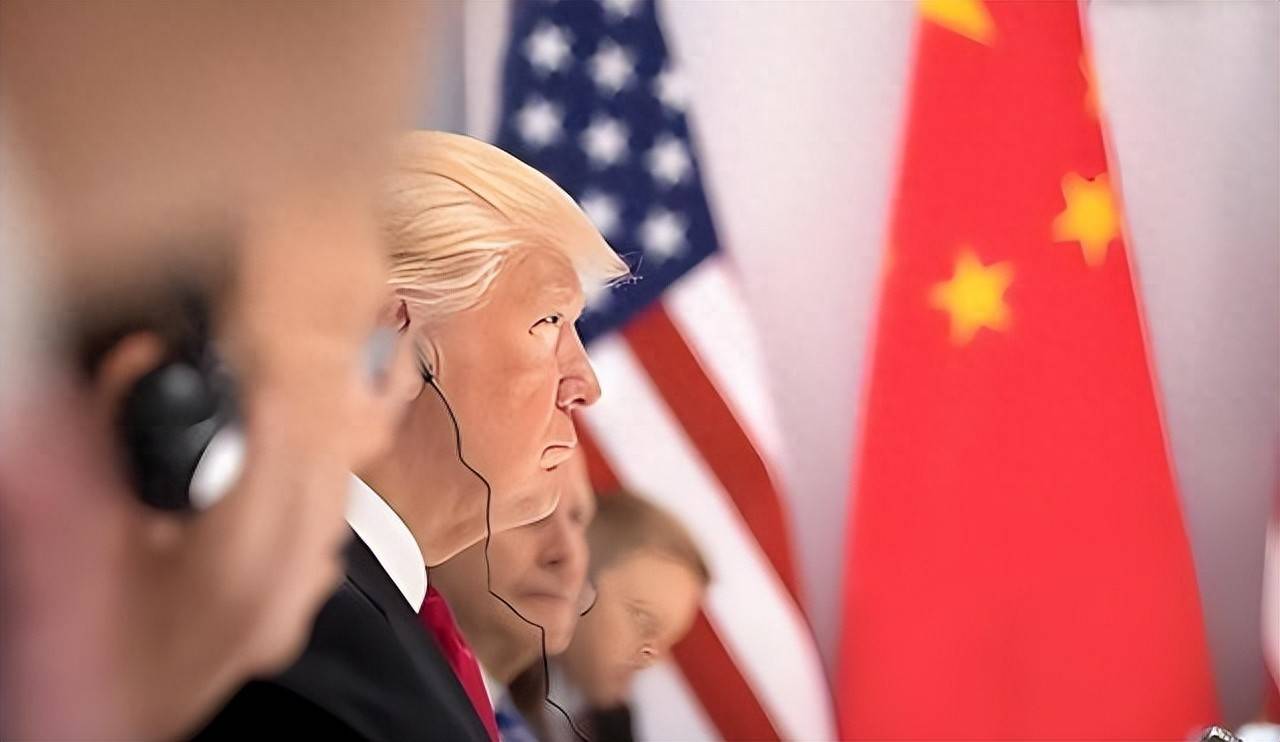
特朗普炫耀美国经济成绩,却偷偷给中国送了个“大礼包”?
Sou Hu Cai Jing· 2026-02-08 07:51
Core Viewpoint - The article discusses the impact of Trump's tariff policies on the U.S. economy and how these policies inadvertently provided opportunities for China to strengthen its market position and adapt its strategies [1][9]. Group 1: Economic Indicators and Tariff Impact - Trump claimed that tariffs led to significant economic improvements, including a rise in the stock market from 42,000 to 48,000 points and a decrease in inflation from 3.2% to 2.7% [3]. - Despite Trump's assertions, reports indicate that 96% of the additional costs from tariffs were borne by the U.S. itself, with only 4% passed on to foreign manufacturers [3][4]. - The imposition of tariffs resulted in a 0.5 percentage point reduction in U.S. economic growth expectations and a 1.9 percentage point increase in inflation [4]. Group 2: China's Response and Strategy - In response to U.S. tariffs, China accelerated its strategy to open up its economy, attracting $100 billion in foreign investment and enhancing its manufacturing capabilities [6]. - China's exports shifted focus from the U.S. to emerging markets, with record port throughput, indicating a successful adaptation to the changing trade landscape [6][7]. - The tariffs prompted China to diversify its trade relationships, strengthening ties with Europe, Japan, South Korea, ASEAN, and Latin America, while also enhancing its domestic consumption market [7][9]. Group 3: Global Trade Dynamics - The tariffs have led to a reconfiguration of global trade dynamics, with the OECD predicting a 0.2 percentage point slowdown in global growth due to the trade tensions [9]. - China's growing influence as a major trading partner for many countries has shifted geopolitical alignments, with nations increasingly favoring economic ties with China over the U.S. [9]. - The article suggests that the U.S. underestimates China's resilience and adaptability, as the trade conflict has provided China with opportunities to strengthen its position in the global market [9].

中国基建的DeepSeek时刻
Guoxin Securities· 2025-07-22 12:58
Core Insights - The report emphasizes that China's infrastructure sector is entering a "DeepSeek moment," driven by both policy support and market demand, as the country shifts towards a more robust internal demand model amidst global economic uncertainties [2][7]. - Key infrastructure projects, such as the Yarlung Tsangpo River hydropower project and the Hainan Free Trade Port construction, are highlighted as significant drivers of investment and economic growth [3][4]. Infrastructure Sector Developments - The Yarlung Tsangpo River hydropower project is noted as a strategic mega-project that will enhance China's clean energy supply and stimulate investment across various industries, including explosives, engineering machinery, and power equipment [3]. - The Hainan Free Trade Port is recognized as a model for regional development and infrastructure upgrades, attracting significant capital and talent, with a focus on enhancing infrastructure in tourism and high-tech industries [3]. - Urban renewal initiatives are shifting from expansion to quality improvement, focusing on optimizing existing urban spaces, which will drive growth in construction materials, smart devices, and related sectors [4]. Economic Transition and Internal Demand - The report discusses the shift in China's economic model from reliance on exports to leveraging internal demand, with infrastructure investment playing a crucial role in this transition [5][6]. - The construction of a unified national market is expected to facilitate the efficient flow of resources, with infrastructure investment serving as a key platform for this development [6]. - The infrastructure sector is characterized by high dividend yields and strong policy support, making it an attractive investment opportunity in the current low-interest-rate environment [6][7]. Investment Opportunities - The report suggests focusing on leading companies in the infrastructure sector that exhibit high dividend yields, strong policy protection, and technological advantages [11]. - Companies involved in urban renewal and those in the renewable energy and environmental protection sectors are identified as key areas for investment, given the increasing emphasis on sustainable development [11]. - Enterprises that can facilitate the flow of resources within the newly constructed national market are also highlighted as potential beneficiaries of this economic shift [11].