农业生物多样性

Search documents
沉睡2200年的“地下粮仓”重见天日
Qi Lu Wan Bao· 2025-12-13 10:19
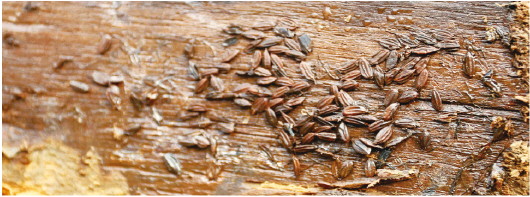
Core Insights - The discovery of well-preserved rice remains in a 2200-year-old tomb in Hubei's Yunmeng Zhengjiahu site represents the earliest and largest instance of grain burial in China, providing insights into ancient agricultural practices and beliefs [2][3] Archaeological Findings - Nearly 100,000 grains of rice from the Warring States period were uncovered, indicating a long-standing tradition of rice cultivation in the Jianghan Plain, dating back to the late Warring States period [3] - The tomb contained not only rice but also remains of various plants such as chestnuts, melons, and jujubes, reflecting the dietary preferences and biodiversity of the region during that era [3] Preservation Techniques - The rice grains were preserved in a waterlogged environment, which acted as a natural preservative, preventing oxidation and damage [5] - Scientific analysis, including carbon isotope studies, is being conducted to trace the irrigation sources and evolutionary paths of the rice varieties found [5] Cultural Significance - The intentional processing of some rice grains before burial suggests a symbolic role in ancient rituals, possibly representing a connection between the living and the afterlife [5] - The findings contribute to understanding the agricultural history and cultural practices of the Warring States period, highlighting the importance of grains in funerary customs [2][5] Broader Implications - The discovery of ancient seeds, like those from Yunmeng, emphasizes the resilience of life and the potential for ancient genetic traits to inform modern agricultural practices [6][8] - The preservation of ancient seeds serves as a vital resource for studying the origins of agriculture and the exchange of civilizations, underscoring the need for biodiversity conservation in agriculture [9]

被忽视的菜园
Hu Xiu· 2025-05-10 06:18
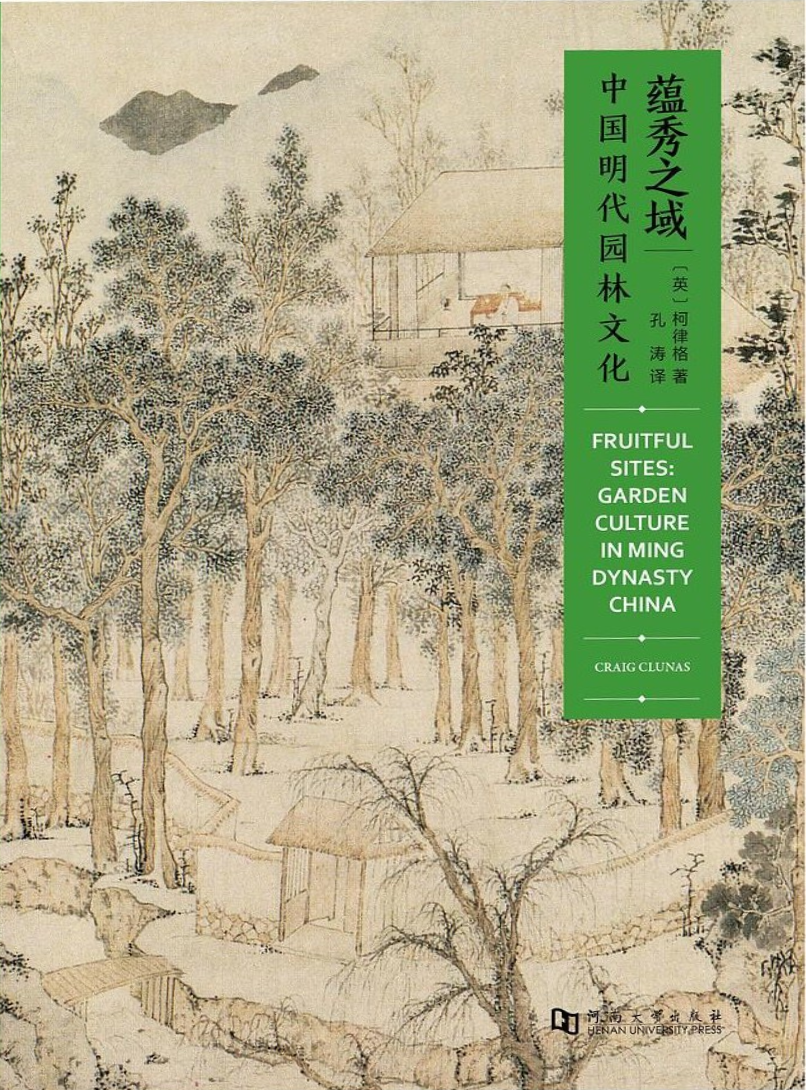
Core Viewpoint - The article emphasizes the significance of home gardens, particularly vegetable gardens, in agricultural and food culture, highlighting their historical, social, and ecological roles that have often been overlooked in research and policy discussions [1][4][29]. Group 1: Historical and Cultural Significance - Historically, gardens were primarily food production spaces, with early examples like the Garden of Eden and the Jardin d'Alcinoos being vegetable gardens [2]. - The concept of gardens in China transitioned from production to consumption during the late Ming Dynasty, indicating a shift in societal values [2]. - The lack of detailed discussions on vegetable gardens in domestic research has created a blind spot in agricultural and food culture studies, limiting the potential for community engagement in agricultural transformation [3]. Group 2: Knowledge and Practices - Vegetable gardens serve as a high-intervention form of gardening, where practices such as seed selection, planting, and sharing contribute to local knowledge and community networks [4][11]. - The relationship between gardens and seeds is crucial, as gardens are spaces for domestication and cultivation, which are essential for maintaining seed diversity [6][31]. - The social nature of gardens is evident in practices like seed exchange and sharing harvests, which foster community ties [11][12]. Group 3: Modern Implications and Policies - The "vegetable basket project" in China aims to address urban vegetable supply issues, reflecting the importance of rural gardens in meeting local consumption needs [24][25]. - Current agricultural policies recognize the role of home gardens in enhancing food security and biodiversity, yet there is a lack of comprehensive data to evaluate their impact [29][30]. - The article suggests that home gardens are vital for preserving agricultural biodiversity and should be integrated into broader agricultural research and policy frameworks [31][32].