
冬令进补

Search documents
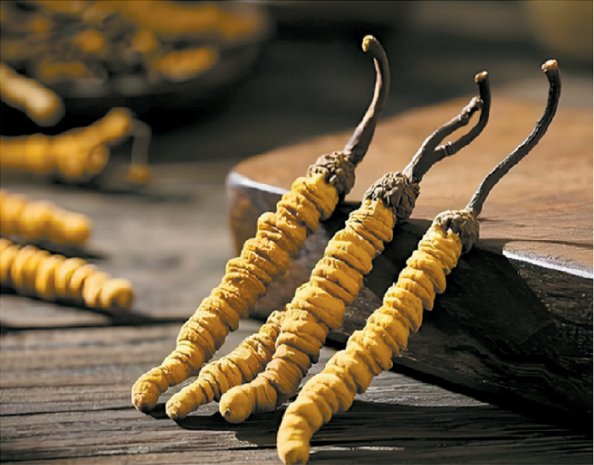
那曲虫草最低9 9元/克!机会难得!
Xin Lang Cai Jing· 2026-01-17 07:28
Core Viewpoint - The article highlights a health product promotion for Cordyceps (冬虫夏草) at a well-established health service center in Shanghai, emphasizing quality, direct sourcing, and customer satisfaction guarantees [2]. Group 1: Product Offerings - The center offers various grades of Cordyceps with pricing as follows: - 3200 heads at 99 yuan/g with a limit of 10g - 2000 heads at 328 yuan/g with a buy 50g get 30g free promotion - 1500 heads at 428 yuan/g [2]. - The Cordyceps is sourced from the high-altitude, pollution-free region of Naqu, Tibet, ensuring high quality and purity [2]. Group 2: Business Philosophy - The company adheres to a "direct supply from the source, low profit and high sales" philosophy, which reduces intermediaries and ensures competitive pricing [2]. - A commitment to quality is reinforced by a 30-day unconditional return policy, allowing customers to return products if unsatisfied [2]. Group 3: Customer Engagement - The center promotes a customer-friendly approach with a promise of genuine products and a 15-day unconditional return policy for on-site purchases [2]. - The promotional event runs from January 18 to January 22, with additional details available in-store [2].

冬季如何补气血,省名中医来支招
Xin Lang Cai Jing· 2025-12-31 17:56
Core Viewpoint - The article emphasizes the importance of winter nourishment according to traditional Chinese medicine, highlighting that winter is a time for energy storage and immune enhancement to prepare for the upcoming seasons [1]. Group 1: Importance of Winter Nourishment - Traditional Chinese medicine suggests that winter is a time for "storing" energy, where the body's metabolism slows down, making it easier to absorb nutrients [1]. - Adequate nourishment during winter can enhance the body's immunity and lay a solid foundation for health in the following spring and summer [1]. Group 2: Guidelines for Nourishment - Different body types require tailored nourishment methods and ingredients; blindly supplementing can be counterproductive [2]. - A balanced approach is essential, with gradual increases in nourishment and a mix of food types to ensure comprehensive nutrition [2]. - Maintaining a regular sleep schedule is crucial for maximizing the benefits of winter nourishment [2]. Group 3: Recommended Ingredients - It is advised to consume warm foods and limit cold items during winter; red meats like lamb and beef are recommended for their protein and iron content [3]. - Black foods and root vegetables are particularly beneficial in winter, with options like black sesame, black rice, sweet potatoes, and yam being highlighted [3]. - Vegetables such as cabbage and radish are essential for winter diets, aiding digestion and nutrient absorption [3]. Group 4: Specific Nourishing Recipes - "Angelica Ginger Lamb Soup" is recommended as an effective winter nourishing dish, combining lamb, ginger, and angelica for their warming and blood-nourishing properties [4].
“冬至大如年”,家里有老人的记住养生“四要诀”!
Xin Lang Cai Jing· 2025-12-20 13:55
Core Viewpoint - The article emphasizes the importance of winter solstice health practices for the elderly, focusing on four key strategies to enhance well-being during this season, which is seen as a critical time for nurturing vitality and preventing illness [1][2][3][4]. Group 1: Health Strategies for the Elderly - The first strategy is to maintain warmth by adding clothing and avoiding cold exposure, which helps to preserve yang energy and prevent cardiovascular issues [1][2]. - The second strategy involves nourishing kidney essence through dietary adjustments, incorporating foods like walnuts and black sesame, while avoiding late nights and excessive fatigue [2][3]. - The third strategy focuses on promoting blood circulation to reduce risks associated with the circulatory system, recommending warm foods and moderate exercise to enhance blood flow [2][3]. - The fourth strategy is about holistic management to prevent chronic disease complications, emphasizing the need for comprehensive care to stabilize the internal environment of the body [2][3]. Group 2: Winter Supplementation and Traditional Medicine - The article discusses the use of medicinal formulas (膏方) for winter supplementation, highlighting the need for tailored approaches for elderly patients with chronic conditions [4][5]. - It stresses the importance of combining different treatments under professional guidance to ensure safety and efficacy, adhering to principles of compatibility and dosage adjustments [4][5]. - Additionally, the article mentions the significance of "nurturing the spirit" during winter, suggesting activities that promote mental well-being and social interaction to enhance overall health [5].
冬季进补有哪些“宜”与“忌”?中医专家这样说
Xin Hua Wang· 2025-11-18 21:18
Core Viewpoint - The article discusses the traditional Chinese medicine (TCM) approach to winter dietary supplementation, emphasizing the importance of proper timing and individual health conditions for effective nourishment during the winter season [1][2]. Group 1: Winter Supplementation Guidelines - TCM advocates for "winter supplementation" based on the principle of "heaven and man in harmony," suggesting that winter is a time for the body to store energy and enhance vitality for the coming spring [1]. - Supplementation should ideally begin from the start of winter until just before spring, with adjustments based on regional climate differences [1]. - Not everyone is suitable for winter supplementation; individuals with respiratory infections, coughs, high fevers, or those with damp-heat constitution should avoid it [1][2]. Group 2: Recommendations for Specific Groups - Elderly individuals often experience multiple organ function declines and chronic diseases, making them more susceptible to "insufficient absorption" of supplements; thus, they should adopt a gradual approach to supplementation [3]. - Recommended foods for the elderly include ingredients that strengthen the spleen and enhance energy, such as Poria and yam, along with warming dishes like walnut porridge and mutton porridge [3]. - Women experiencing cold extremities and pale complexion should consider warming soups like angelica and ginger mutton soup, along with practices to maintain warmth [3]. Group 3: Traditional Methods of Supplementation - The use of medicinal pastes (膏方) is highlighted as a traditional method for winter supplementation, which has been practiced for over a thousand years [4]. - Medicinal pastes are tailored to individual health conditions and are suitable for chronic disease patients and those in suboptimal health, requiring professional diagnosis and dynamic adjustments [4].
哪些人群比较适合冬日进补?哪些人群则需要谨慎?专家给出建议
Zhong Guo Xin Wen Wang· 2025-11-18 09:15
Group 1 - The core idea of the article emphasizes that winter supplementation is not suitable for everyone and should be based on individual constitution assessments by professionals [1][2] - Individuals with conditions such as qi deficiency, blood deficiency, or those recovering from childbirth, serious illness, or surgery are recommended to undergo winter supplementation for health improvement [1] - Certain groups should avoid supplementation, including those with respiratory infections, coughs, high fevers during acute phases, and individuals with damp-heat or phlegm-damp constitutions [1][2] Group 2 - It is crucial to consult a qualified traditional Chinese medicine (TCM) practitioner for body constitution identification before starting any supplementation [2] - TCM practitioners utilize traditional diagnostic methods alongside Western medical examination results to create personalized supplementation plans [2]