天人相应

Search documents
为什么“冬吃萝卜夏吃姜”
Xin Lang Cai Jing· 2026-01-19 19:14
Core Viewpoint - The article emphasizes the traditional Chinese dietary wisdom of consuming specific foods in accordance with seasonal changes, highlighting the benefits of eating radishes in winter and ginger in summer for maintaining health and balance in the body [1][2][3]. Group 1: Winter Dietary Practices - In winter, the consumption of radishes is recommended as they help balance the body's internal heat and prevent issues like abdominal bloating and dryness [2]. - Radishes are noted for their ability to aid digestion and alleviate internal heat, making them a suitable choice for winter when the body's energy is more inward [2][3]. - The saying "Winter eating radish is better than ginseng" underscores the unique value of radishes during this season for maintaining health [2]. Group 2: Summer Dietary Practices - In summer, the consumption of ginger is advised to combat the effects of humidity and to support digestive health [3]. - Ginger's warming properties help to dispel internal cold and enhance appetite, counteracting the negative effects of cold foods and air conditioning during hot weather [3]. - The article stresses that the pairing of radishes in winter and ginger in summer reflects the Chinese medical philosophy of maintaining balance in response to environmental changes [3]. Group 3: Traditional Chinese Medicine Philosophy - The concept of "eating according to the seasons" is rooted in the traditional Chinese medical principle of harmonizing the body's internal state with external environmental conditions [3]. - The article illustrates the importance of seasonal eating as a means to achieve dynamic balance within the body, aligning dietary choices with natural rhythms [3]. - This approach promotes a holistic view of health, emphasizing the need for balance rather than the pursuit of singular dietary elements [3].
“身体里像有团火在烧!”男子难受到无法入睡,竟是这种水果惹的祸
Xin Lang Cai Jing· 2026-01-09 13:35
Core Viewpoint - The article discusses the health issues arising from excessive consumption of certain fruits, particularly mangoes, during the winter season, highlighting the importance of understanding the properties of different fruits to maintain health [2][3]. Group 1: Health Issues from Fruit Consumption - A patient experienced severe discomfort due to excessive consumption of mangoes, which led to heat-related constipation [2]. - The high fructose content in mangoes can irritate the gastrointestinal tract and disrupt normal bowel function, especially in individuals with a "hot" constitution or weak digestive systems [2]. Group 2: Seasonal Dietary Considerations - Winter conditions, such as lower temperatures and reduced outdoor activity, can slow metabolism and digestive function, making it crucial to be cautious with high-sugar, warming fruits [2][3]. - It is recommended to consume fruits with cooling properties, like persimmons and pears, to alleviate internal heat and dryness, while being mindful of the potential digestive issues they may cause for individuals with weak digestive systems [3].
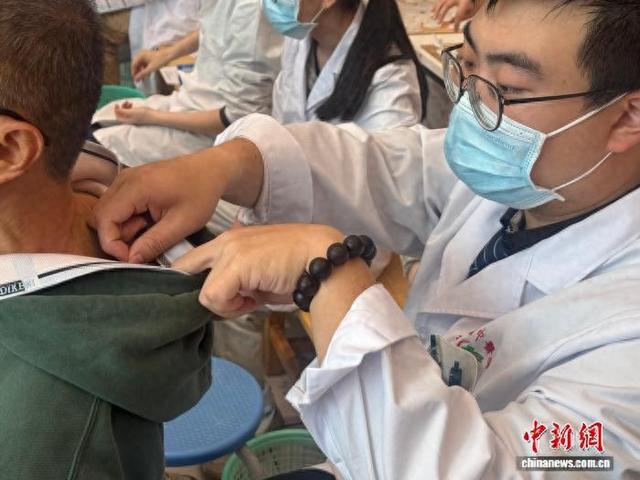
“冬病冬治”正当时:广州多家医院“开贴”岭南“三九天灸”
Zhong Guo Xin Wen Wang· 2025-12-21 12:48
Core Viewpoint - The article discusses the traditional Chinese medicine therapy "San Jiu Tian Jiu," which is a winter treatment method aimed at enhancing the body's resistance to diseases prevalent during the cold season through the application of herbal patches on specific acupuncture points [1][3]. Group 1: Therapy Overview - "San Jiu Tian Jiu" is a representative external treatment method of traditional Chinese medicine that follows the principle of "treating winter diseases in winter" [3]. - The therapy is conducted during the "three nine days" following the winter solstice, a period when the body is more susceptible to cold-related ailments [3]. - The treatment involves using natural herbs that are warming and dispersing, applied to specific acupuncture points to stimulate the body's Yang energy and enhance disease resistance [3][4]. Group 2: Health Benefits and Conditions - The therapy aims to warm the lungs and spleen, dispel hidden cold pathogens, and strengthen the body's defenses against winter diseases characterized by cold nature [3]. - This year, common symptoms include shoulder and back heaviness, dry cough, dry eyes, insomnia, irritability, dry skin, and constipation, indicating a state of "internal heat" trapped by "external cold" [4]. - The herbal patches used this year focus on "nourishing the kidneys, benefiting the lungs, and calming the liver" [4]. Group 3: Precautions - There are specific contraindications for the therapy, such as for patients with malignant tumors, severe heart and lung diseases, and those with skin allergies, who should use caution [4]. - The treatment should be performed in hospitals by qualified medical personnel [4].

冬季进补有哪些“宜”与“忌”?中医专家这样说
Xin Hua Wang· 2025-11-18 21:18
Core Viewpoint - The article discusses the traditional Chinese medicine (TCM) approach to winter dietary supplementation, emphasizing the importance of proper timing and individual health conditions for effective nourishment during the winter season [1][2]. Group 1: Winter Supplementation Guidelines - TCM advocates for "winter supplementation" based on the principle of "heaven and man in harmony," suggesting that winter is a time for the body to store energy and enhance vitality for the coming spring [1]. - Supplementation should ideally begin from the start of winter until just before spring, with adjustments based on regional climate differences [1]. - Not everyone is suitable for winter supplementation; individuals with respiratory infections, coughs, high fevers, or those with damp-heat constitution should avoid it [1][2]. Group 2: Recommendations for Specific Groups - Elderly individuals often experience multiple organ function declines and chronic diseases, making them more susceptible to "insufficient absorption" of supplements; thus, they should adopt a gradual approach to supplementation [3]. - Recommended foods for the elderly include ingredients that strengthen the spleen and enhance energy, such as Poria and yam, along with warming dishes like walnut porridge and mutton porridge [3]. - Women experiencing cold extremities and pale complexion should consider warming soups like angelica and ginger mutton soup, along with practices to maintain warmth [3]. Group 3: Traditional Methods of Supplementation - The use of medicinal pastes (膏方) is highlighted as a traditional method for winter supplementation, which has been practiced for over a thousand years [4]. - Medicinal pastes are tailored to individual health conditions and are suitable for chronic disease patients and those in suboptimal health, requiring professional diagnosis and dynamic adjustments [4].
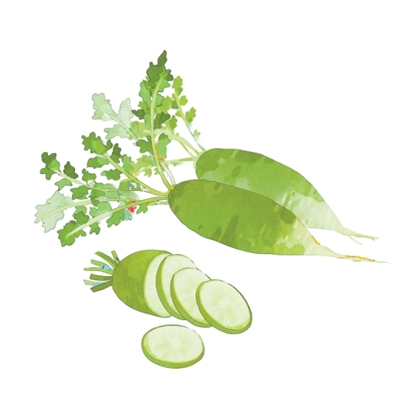
为什么“冬吃萝卜夏吃姜”(文化中国行·二十四节气二十四问)
Ren Min Ri Bao· 2025-11-09 22:20
Core Points - The article discusses the significance of the "Beginning of Winter" (立冬) as the first solar term of winter, marking the transition into a season of cold and dormancy in nature [2] - It emphasizes the traditional dietary practices associated with this season, particularly the consumption of warming foods to combat the cold [2][3] - The article highlights the balance in dietary choices, advocating for the consumption of radishes in winter and ginger in summer, reflecting traditional Chinese medicine principles [3][4][5] Summary by Sections - **Beginning of Winter Significance** - "Beginning of Winter" is the 19th solar term, starting on November 7, 2025, symbolizing the onset of winter and the end of the year [2] - It represents a time when nature begins to freeze, and people prepare for the cold by adjusting their diets and clothing [2] - **Dietary Practices in Winter** - Traditional foods like hot pot and noodle soup are favored during winter to provide warmth and energy [2] - The saying "Eat radish in winter and ginger in summer" reflects the understanding of balancing dietary intake according to seasonal changes [3] - **Health Benefits of Radish** - Radish, particularly white radish, is considered beneficial in winter due to its cooling properties, helping to balance the body's internal heat [3] - It aids digestion and prevents issues like bloating and dryness, which can occur from excessive consumption of warming foods [3] - **Health Benefits of Ginger** - Ginger is recommended in summer to combat dampness and enhance appetite, as it has warming properties that help to dispel cold and humidity [4] - The consumption of ginger aligns with the body's need to maintain balance during hot weather [4] - **Traditional Chinese Medicine Philosophy** - The article underscores the philosophy of "nourishing yin in winter and yang in summer," promoting a holistic approach to health that aligns with natural cycles [5] - It advocates for seasonal eating as a means to maintain balance and harmony within the body, reflecting the wisdom of traditional Chinese dietary practices [5]
中医护发秘诀 让你告别“落叶头”
Bei Jing Qing Nian Bao· 2025-11-03 01:00
Core Insights - The article discusses the natural phenomenon of hair loss in autumn, attributing it to the body's adaptation to seasonal changes and the need for energy conservation [1][2] - It emphasizes the importance of holistic approaches to hair care, including diet, emotional well-being, and sleep, in order to maintain healthy hair during the autumn season [3][5][6] Group 1: Seasonal Changes and Hair Loss - The article explains that as autumn arrives, the body's yang energy shifts inward, leading to reduced nourishment for hair, which results in natural hair loss [2] - It notes that a normal daily hair loss rate is between 50 to 70 strands, but significant increases may require medical attention [2] Group 2: Dietary Recommendations - The article suggests that nourishing the liver and kidneys is essential for hair health, recommending foods like black sesame, black beans, and walnuts to support kidney function [3] - It also highlights the benefits of foods such as yam, lily bulb, and lotus root for lung health, which can indirectly support hair vitality [3] Group 3: Scalp Care Techniques - The article introduces scalp massage techniques to enhance blood circulation and promote hair nourishment, recommending specific movements and pressure points [4] - It advises daily scalp brushing and pressure application on key acupressure points to stimulate energy flow [4] Group 4: Emotional and Sleep Health - The article stresses the importance of emotional stability in maintaining hair health, suggesting activities like music, calligraphy, and socializing to improve mood [5] - It emphasizes the significance of sleep, particularly during specific hours, to support liver health and consequently hair growth [6] Group 5: Herbal Remedies - The article proposes a herbal wash using ingredients like cedar leaves and ginger to aid in hair health, recommending this treatment two to three times a week [8] - It also suggests combining external herbal treatments with internal remedies for enhanced effectiveness, under professional guidance [8]
中医四法 清凉锦囊(大健康观察)
Ren Min Ri Bao Hai Wai Ban· 2025-08-11 22:57
Group 1 - A group of 21 foreign students from countries such as Portugal, Brazil, and Ireland is studying traditional Chinese medicine in Sanya, Hainan Province [2] - The first Traditional Chinese Medicine Cultural Night Market opened in Shawan City, Xinjiang, featuring medical talents providing services and free health food for citizens [4] - In Nanning, Guangxi, citizens are utilizing traditional therapies like "Sanfu Ties" to enhance their resistance against illnesses during the summer [8] Group 2 - The National Administration of Traditional Chinese Medicine held a press conference discussing health preservation methods through traditional Chinese medicine during the summer [8] - Experts emphasize the importance of preventing heatstroke and sunburn during high temperatures, recommending avoiding outdoor activities during peak UV hours [9][10] - Dietary recommendations include consuming warm beverages instead of cold drinks and focusing on seasonal fruits and vegetables to maintain digestive health [11][12][13] Group 3 - Exercise recommendations suggest engaging in light activities during cooler parts of the day, such as Tai Chi and Baduanjin, to promote health without overexertion [14][15] - For travelers, it is advised to gradually adapt to local foods and maintain hydration to prevent gastrointestinal issues [17][18]