
冬储备煤

Search documents
算力“双雄”,齐创历史新高!
Zhong Guo Zheng Quan Bao· 2025-10-27 04:19
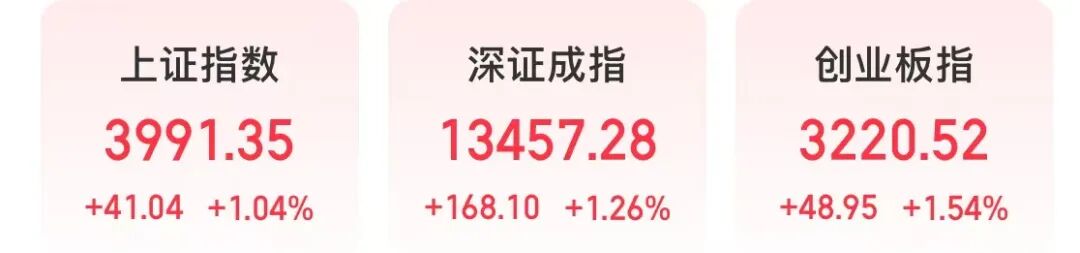
Core Viewpoint - The technology stocks and cyclical sectors are showing strong performance, with the Shanghai Composite Index reaching a new high of 3991.35 points this year [1]. Technology Sector - Technology stocks led the market in the morning, particularly in the semiconductor and computing power sectors, with notable performances from companies like Xinyi Technology and Zhongji Xuchuang, both reaching historical highs [1]. - Xinyi Technology's stock rose by 8.27%, with a trading volume of 18.114 billion yuan and a market capitalization of 401.37 billion yuan [1]. - Zhongji Xuchuang's stock increased by 3.34%, with a trading volume of 16.467 billion yuan and a market capitalization of 56.723 billion yuan [1]. - The combined market capitalization of these two leading companies in the computing power sector is approximately 968.6 billion yuan [1]. Cyclical Sector - The cyclical sectors, including steel, non-ferrous metals, coal, and electricity, experienced significant gains, reflecting a classic "coal, color, steel, and electricity" market trend [1][3]. - The steel sector saw substantial increases, with companies like Changbao Co. and Xinxing Ductile Iron Pipes achieving notable stock price surges [3]. - The steel sector index rose by 3.09%, with specific stocks like Anyang Iron & Steel and Changbao Co. increasing by 9.96% and 9.95%, respectively [4]. - The Ministry of Industry and Information Technology has proposed a draft for the implementation of capacity replacement in the steel industry, which aims to strengthen capacity constraints and improve long-term supply-demand expectations [6]. - The coal sector also showed positive movement, with stocks like Zhengzhou Coal Electricity and Shanghai Energy experiencing significant gains [8]. Market Performance - As of the morning close, the Shanghai Composite Index rose by 1.04%, the Shenzhen Component Index increased by 1.26%, and the ChiNext Index climbed by 1.54% [1].


对话电力:电厂强势冬储补库如何推涨煤价?
2025-10-22 14:56
Summary of Conference Call on Power and Coal Industry Industry Overview - The conference call focuses on the power generation and coal industry, particularly the dynamics of coal prices and electricity generation in the context of seasonal demand and supply constraints [1][2]. Key Points and Arguments Coal Price Dynamics - National power plants are accelerating their coal inventory replenishment, with October showing active coal transportation, but a slowdown is expected post-November due to weather and temperature uncertainties [1][2]. - Recent rapid increases in coal prices are driven by strong demand (due to sudden cold weather and decreased hydropower output) and supply constraints (production control measures leading to reduced output) [1][2]. - The fourth quarter is expected to see tight supply conditions, further supporting coal price increases [1][2]. Winter Coal Inventory Projections - For winter 2025, there is approximately 10 million tons of coal replenishment space compared to the peak inventory of 136 million tons at the end of 2024, influenced by temperature changes and hydropower output [3][4]. Electricity Generation Trends - The overall electricity demand remains stable, with September showing a slight improvement in generation growth compared to August. October is expected to continue this trend, but achieving positive growth for the entire year remains challenging due to significant competition from renewable energy sources [5][12]. 2026 Supply and Demand Outlook - The supply-demand balance for 2026 is uncertain and will depend on the national economic development goals and indicators such as electricity consumption's impact on GDP growth. High growth in renewable energy may exert negative pressure on coal-fired power generation [6]. Electricity Pricing Negotiations - The upcoming annual electricity price negotiations are expected to influence market sentiment in the short term, but the actual impact will depend on the negotiation outcomes and policy directions [7][8]. - Preliminary qualitative assessments suggest that electricity prices may decline in 2026, with key timelines for monitoring including the formulation of annual electricity trading plans from October to November and final negotiations in December [8]. Impact of Rising Coal Prices on Profitability - The recent surge in coal prices has significantly compressed the profitability of coal-fired power generation. For instance, the profit per kilowatt-hour for East China International has dropped to around 2.5-3 cents, down from 4-5 cents earlier in the year, due to increased fuel costs [9][10]. Short-term Loss Acceptance for Future Pricing - Coal-fired power generation may accept short-term losses in the fourth quarter to secure better pricing in 2026, although this strategy must balance various factors, including regulatory requirements and economic performance assessments [10]. Seasonal Demand Influences - Winter replenishment demand is primarily influenced by weather changes and hydropower conditions. The cold weather in northern regions has accelerated inventory replenishment, while supply constraints have made it difficult for coal prices to decline [11]. Overall Growth Outlook - The cumulative growth rate for the first nine months of the year has improved, with expectations for continued positive growth in October and the fourth quarter, although ongoing competition from rapidly growing renewable energy sources poses challenges [12].