冰雪文化

Search documents
解码冰雪运动的“中国基因”
Xin Lang Cai Jing· 2026-02-22 12:45
Core Viewpoint - The article highlights the historical significance and cultural heritage of snow sports in China, tracing back to ancient times and emphasizing the continuity of these traditions into modern practices. Group 1: Historical Significance - The earliest record of skiing in human history is depicted in rock paintings from the Dun Debrak site in Altay, Xinjiang, dating back approximately 11,000 to 9,000 years [3][6] - The "Shan Hai Jing" from the Warring States period documents scenes of nomadic people traveling in snow, indicating the long-standing relationship between humans and snow sports [6] Group 2: Cultural Heritage - The traditional "fur ski board," made from horse hair and wood, has been an essential travel tool for local herders in Altay and remains common today [8] - The local ski resort near Dun Debrak celebrates January 16 as a commemorative day for the history of skiing, featuring various cultural and sports activities [10] Group 3: Evolution of Snow Sports - Ice sports, such as "ice play," gained popularity during the Song and Yuan dynasties, with records of these activities found in historical texts like "Mengxi Bitan" [10][12] - The Qing Dynasty's court painting "Ice Play" vividly illustrates scenes of ice sports, showcasing the historical depth and evolution of snow activities in China [12]

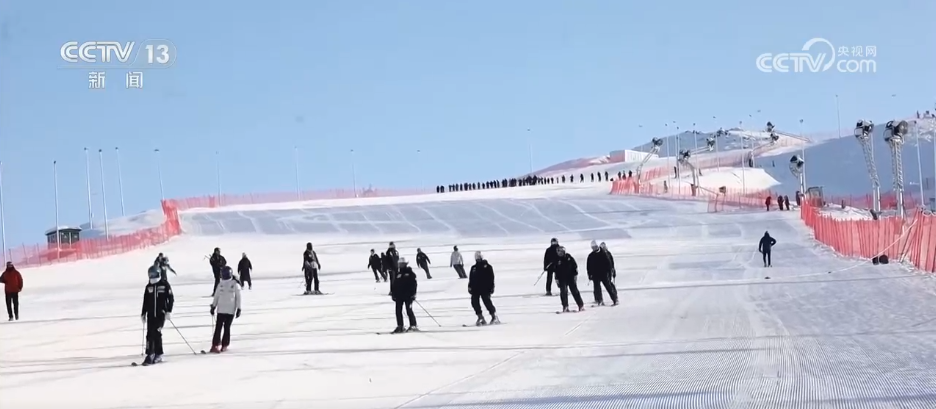
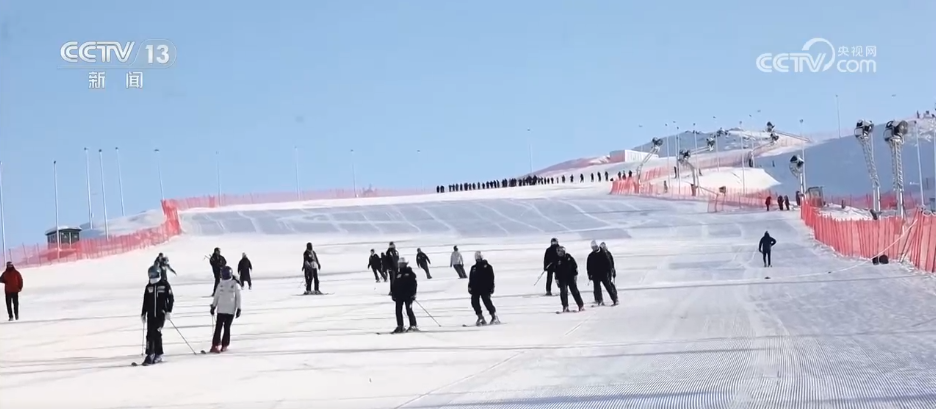
文化中国行 | 解码冰雪运动的“中国基因”
Yang Shi Wang· 2026-02-22 02:43
Core Viewpoint - The article highlights the historical significance and cultural heritage of ice and snow sports in China, tracing back to ancient times and emphasizing the continuity of these traditions into modern-day practices. Group 1: Historical Significance - The earliest records of skiing in human history are depicted in rock paintings from 11,000 to 9,000 years ago found in Altay, Xinjiang, showcasing ancient people's engagement with snow sports [3][6] - Historical texts such as "Shan Hai Jing" from the Warring States period document the activities of nomadic tribes in snowy conditions, indicating a long-standing relationship with ice and snow [6] Group 2: Cultural Heritage - The traditional "毛皮滑雪板" (fur ski board), made from horse hair and wood, has been an essential tool for local farmers and herders in Altay, reflecting the wisdom of adapting to nature [8] - January 16 is celebrated annually in the region to honor the long history of skiing, with various cultural and sports activities held to promote ice and snow culture [10] Group 3: Modern Popularity - Ice and snow sports have gained widespread popularity across China, transcending geographical and seasonal limitations, and are now embraced as a healthy lifestyle by the public [12] - Historical records from the Song and Yuan dynasties indicate that ice sports, referred to as "冰嬉," were already popular, with significant promotion by the state during the Qing dynasty [10][12]
在哈尔滨,赴一场冰雪之约 | 故乡里的中国
Jing Ji Guan Cha Bao· 2026-02-21 01:18
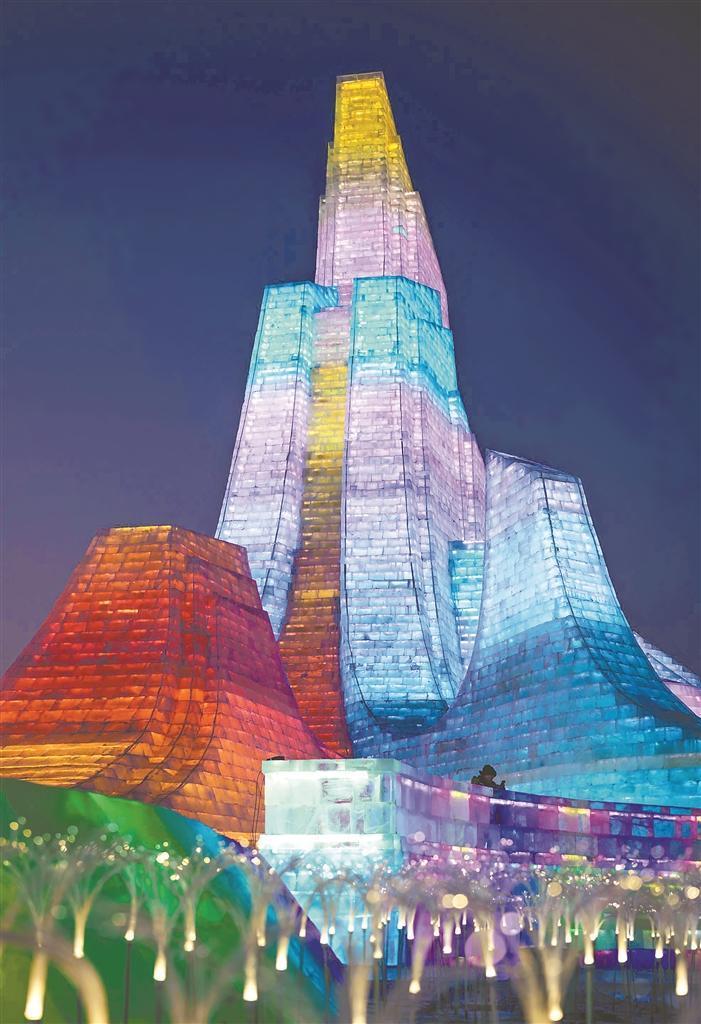
Core Viewpoint - The article highlights the unique winter culture of Harbin, focusing on its iconic ice and snow attractions, particularly the Harbin Ice and Snow World and the historical significance of ice lanterns in the city’s cultural heritage [1][2][4]. Group 1: Harbin Ice and Snow World - Harbin Ice and Snow World features the main tower "Ice Lantern Dream" standing at 42 meters, symbolizing the city's winter identity and attracting numerous visitors [2][3]. - The park showcases large-scale ice sculptures that reflect China's technological prowess and cultural diversity, including representations of famous architectural landmarks from various provinces [3]. Group 2: Ice Lantern Festival - The Ice Lantern Festival, originating in 1963, has evolved into a significant cultural event, now featuring over 300 ice sculptures crafted from 2300 cubic meters of ice and 800 cubic meters of snow, combining traditional craftsmanship with modern lighting technology [4]. - The festival is a nostalgic experience for locals, with elements like the horse-themed ice sculptures symbolizing good fortune and success, drawing many visitors [4][5]. Group 3: Ice Sports and Community Engagement - The recent 9th Harbin Winter Games have integrated ice sports into daily life, promoting activities like speed skating, short track speed skating, curling, and skiing among the local population [6][7]. - Facilities such as the curling center and the Yabuli Sports Training Base are now open year-round, allowing residents and children to engage in ice sports and experience the excitement of winter activities [7]. Group 4: Ice and Snow Culture Museum - The Harbin Ice and Snow Culture Museum, the first of its kind in China, houses 4,180 exhibits and showcases the development of ice and snow culture, including miniature models of past ice festivals [7]. - The museum emphasizes the integration of Chinese culture with ice and snow art, providing a comprehensive understanding of Harbin's historical and cultural relationship with winter sports and festivities [7].
雪光冰影里的哈尔滨
Xin Lang Cai Jing· 2026-02-19 21:59
Core Viewpoint - The article highlights the cultural significance and artistic achievements of Harbin's ice lanterns and sculptures, emphasizing their role as a symbol of the city and a unique attraction for tourism [4][5][7]. Group 1: Historical Context - The origin of Harbin's ice lanterns dates back to 1963, when the first ice lantern festival was held at Zhaolin Park, marking the beginning of a cultural phenomenon [4]. - The use of ice from the Songhua River as a building material for artistic creations has evolved, showcasing the transformation of a natural resource into a medium for art [5]. Group 2: Artistic Achievements - The 27th Harbin Ice and Snow World features a 1.2 million square meter area filled with ice sculptures, including the 40-meter tall "Heart of Ice City," which sets a new world record for ice architecture [5]. - Notable ice structures include the "Ice Sculpture Yellow Crane Tower," which reflects advanced technical skills in ice sculpting [5]. Group 3: Tourism and Cultural Impact - The ice and snow festival enhances Harbin's reputation as a winter tourism destination, attracting visitors with its stunning displays of ice and snow art [6][7]. - The combination of ice and snow sculptures enriches the artistic content of Harbin's winter tourism, contributing to the city's identity as the "Ice City" [7].
(新春走基层)黑龙江小城冰雪文化“火”热新春
Xin Lang Cai Jing· 2026-02-19 11:41
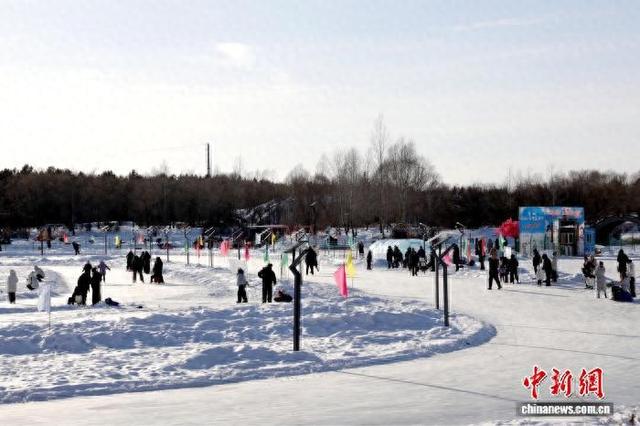
Group 1 - The article highlights the enjoyment of winter sports by the public in the Daxing'anling region of Heilongjiang Province during the Spring Festival holiday [2][3] - Residents are actively participating in various snow activities, including taking photos with large snow sculptures and experiencing snow tubing [3]
冰雪暖世界——总台春晚哈尔滨分会场|冰城“小雪花”唱响春晚
Xin Lang Cai Jing· 2026-02-16 22:32
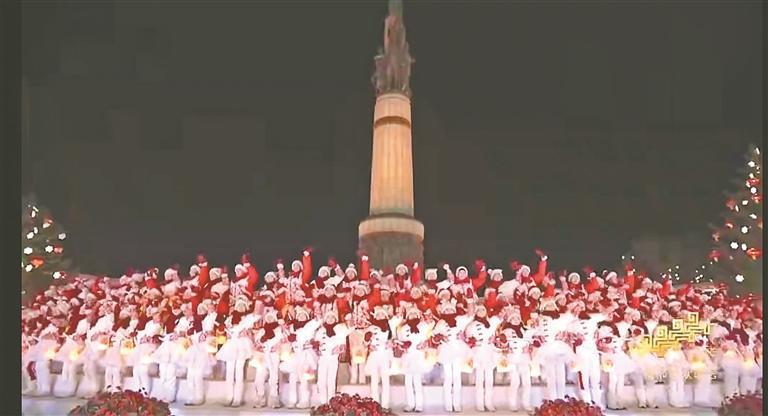
Core Viewpoint - The performance of the Harbin Youth Palace "Little Snowflakes" choir at the Spring Festival Gala highlights the cultural significance and artistic achievements of Harbin, showcasing the city's ice and snow culture through children's voices [3][4][5] Group 1: Performance Highlights - The "Little Snowflakes" choir performed at the Spring Festival Gala, bringing warmth and joy to the audience with their pure voices [3] - The choir's member, Wang Kehan, expressed pride and happiness in participating in the event, emphasizing the honor of singing for their hometown [3] - The preparation for the performance involved rigorous rehearsals in extremely cold conditions, demonstrating the children's dedication and resilience [4] Group 2: Artistic and Cultural Significance - The choir's leader, Yang Chuanqi, noted that the performance represents a national-level showcase of Harbin's artistic education and cultural heritage [4] - The journey of the "Little Snowflakes" transcends mere performance, instilling values of perseverance and teamwork in the children [5] - The event serves as a platform for the children to share the story of Harbin and convey strength through their music [5]
春晚哈尔滨分会场打造冰舞台
Xin Lang Cai Jing· 2026-02-16 10:55
Core Viewpoint - The Harbin sub-venue of the Spring Festival Gala is set to showcase a unique "ice stage" that integrates local ice and snow culture, aiming to deliver a warm and humorous experience despite the cold weather [1] Group 1: Venue and Stage Design - The Harbin sub-venue is described as the northernmost and coldest location for this year's Spring Festival Gala, featuring a specially designed "ice stage" created at the Harbin Ice and Snow World [1] - The stage design is characterized by its compact and exquisite nature, contrasting with the grand ice scenery, and aims to present unexpected effects without the use of screens or special effects [1] Group 2: Cultural Integration - The production team has incorporated representative local scenes and elements, such as the Ice and Snow World and Central Street, into the program design, blending ice and snow culture with regional characteristics and contemporary themes [1] - The event will feature well-known actors and singers from Harbin, who will return to their hometown to perform, reflecting their love for the city [1] Group 3: Performance Style and Themes - The performances will not follow conventional singing formats but will instead involve role-based interpretations, showcasing positive local figures and warm moments through situational performances [1] - The overall themes of the Harbin sub-venue's program are summarized as passion, humor, and warmth, aiming to convey the local people's enthusiasm and the city's ability to provide emotional warmth [1]
冰上拔河、暖壶当冰壶……东北人把冰雪玩明白了
Zhong Guo Xin Wen Wang· 2026-02-13 09:10
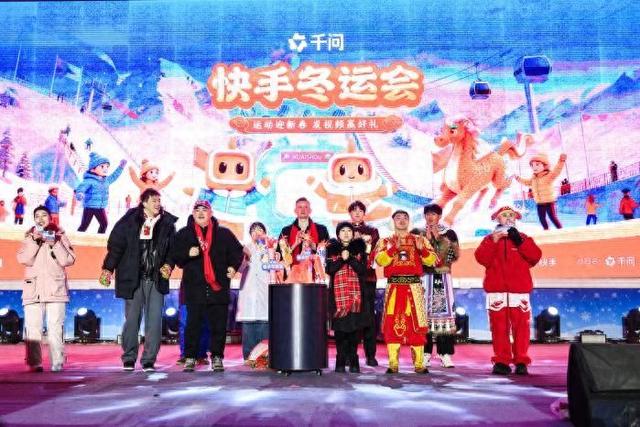
Core Insights - The Kuaishou Winter Games in Changchun is a vibrant celebration of ice and snow, transforming professional sports into accessible and enjoyable activities for everyone [1][19] - The event reflects the growing trend of ice and snow tourism in China, with an expected 360 million participants and revenue of 450 billion yuan in the 2025-2026 winter season [1][19] Event Highlights - The event features various fun competitions, including the "Ice Snow Forward" challenge, where participants navigate through obstacles, showcasing both individual and collective sportsmanship [3][5] - The Kuaishou Winter Games simplifies traditional winter sports rules, making them more engaging and accessible to a broader audience, thus promoting participation across different age groups and backgrounds [7][19] Cultural Integration - The event includes a lively evening gala that combines traditional performances, modern music, and interactive elements, enhancing the festive atmosphere and cultural exchange [9][11] - Local delicacies and traditional customs are highlighted during the event, creating a rich cultural experience for visitors [15] Online Engagement - The event has gained significant online traction, with over 1.36 billion views on the "Kuaishou Winter Games" topic, showcasing the power of social media in promoting ice and snow activities [17][19] - The integration of live streaming and short videos allows for real-time sharing of experiences, further enhancing the event's reach and engagement [17] Economic Impact - The Kuaishou Winter Games exemplifies the economic benefits of the ice and snow industry, contributing to the growth of ice and snow tourism and culture in China [19] - The event serves as a catalyst for the ongoing development of the ice and snow economy, aligning with the national vision of increasing participation in winter sports [19]
冰雪文化化雪成金
Xin Lang Cai Jing· 2026-02-12 22:40
Core Viewpoint - The State Council's document emphasizes the importance of developing ice and snow sports to stimulate the ice and snow economy, aiming to engage 300 million people in these activities and promote the entire industry chain, including culture, equipment, and tourism [1] Group 1: Ice and Snow Culture Development - The development of ice and snow culture is crucial for the quality of the ice and snow economy, serving as its essence and driving force [1] - A variety of cultural facilities, such as ice and snow museums and cultural centers, have been established, enhancing the cultural service system [2] - Ice and snow cultural activities are flourishing, with numerous festivals and events enriching the cultural landscape and supporting economic growth [2] - The integration of traditional and modern cultural elements is evident, with ancient customs being preserved while new cultural forms emerge [2] - The continuous expansion of ice and snow culture provides a solid foundation for the development of the ice and snow economy [2] Group 2: Promotion of Ice and Snow Sports - Ice and snow culture plays an irreplaceable role in promoting participation in ice and snow sports, requiring both broadening the participant base and deepening the experience [3] - The legacy of major ice and snow events, such as the Beijing Winter Olympics, serves as a valuable resource for cultural promotion and sustainable development [3] - The popularization of ice and snow sports culture is essential for expanding participation, with initiatives like school visits by sports stars effectively engaging youth [3] Group 3: Traditional Ice and Snow Culture - The preservation and innovation of traditional ice and snow cultural heritage, such as ice and snow carving techniques, enhance the diversity of ice and snow sports [4] - Ice and snow culture transforms sports into cultural experiences, enriching the economic value and spiritual significance of the ice and snow economy [4] Group 4: Value and Competitiveness Enhancement - The deep integration of ice and snow culture into the industry chain enriches product offerings and opens new market opportunities, enhancing overall competitiveness [5] Group 5: Ice and Snow Equipment Manufacturing - The ice and snow equipment manufacturing sector is evolving from manufacturing to innovation and branding, driven by cultural and technological advancements [6] - Cultural elements are increasingly incorporated into product design, enhancing the emotional connection and market appeal of ice and snow equipment [6] - The recognition of Chinese ice and snow brands on international platforms, such as the Milan-Cortina Winter Olympics, signifies a shift towards brand globalization [6] Group 6: Ice and Snow Tourism - The integration of culture into ice and snow tourism is driving quality upgrades, with a shift from mere observation to immersive experiences [7] - Unique regional cultural resources are being leveraged to create distinctive ice and snow tourism products, significantly increasing tourist engagement and spending [7] - Cultural branding, such as the promotion of the Altay region as the "origin of human skiing," enhances international visibility and attracts foreign tourists [7] - The goal is to achieve a high-level coordinated development of the ice and snow economy, targeting a total scale of 1.5 trillion yuan by 2030 [7] Group 7: Future Directions - There is a need to strengthen ice and snow culture construction, improve facilities, and deepen integration with related industries to transform ice and snow resources into economic advantages [8]
哈尔滨推出萌趣雪人公交卡 300余个城市通用
Zhong Guo Xin Wen Wang· 2026-02-10 08:31
Core Viewpoint - Harbin has launched a snowman-themed public transport card to promote its unique ice and snow culture, making the romantic experience of winter more accessible [1][3]. Group 1: Product Details - The "Ice Fun Cultural Transport Card - Snowman" is officially released in Harbin, with a limited first batch of 300 cards available [3]. - This card is compatible with over 300 cities that support the "Transport Union" standard, usable for buses, subways, and other public transport [3]. - Each snowman card is crafted with care using soft clay and resin, capturing intricate details such as the curvature of the red hat, the folds of the scarf, and the heart-shaped button [3]. Group 2: Cultural Significance - The snowman card embodies the essence of ice and snow culture, transforming the warmth of Harbin's winter into a portable companion for users [3]. - The initiative aims to enhance the travel experience by integrating practical use with cultural elements, reflecting the city's unique characteristics [3]. Group 3: Future Plans - Harbin Transportation Group plans to continue developing more cultural transport cards that combine practicality, cultural significance, and collectibility to meet diverse needs of residents and tourists [3].