冰雪装备国产化

Search documents
缺雪的南方城市,为何滑雪场生意越来越热闹? | 声动早咖啡
声动活泼· 2026-01-26 09:05
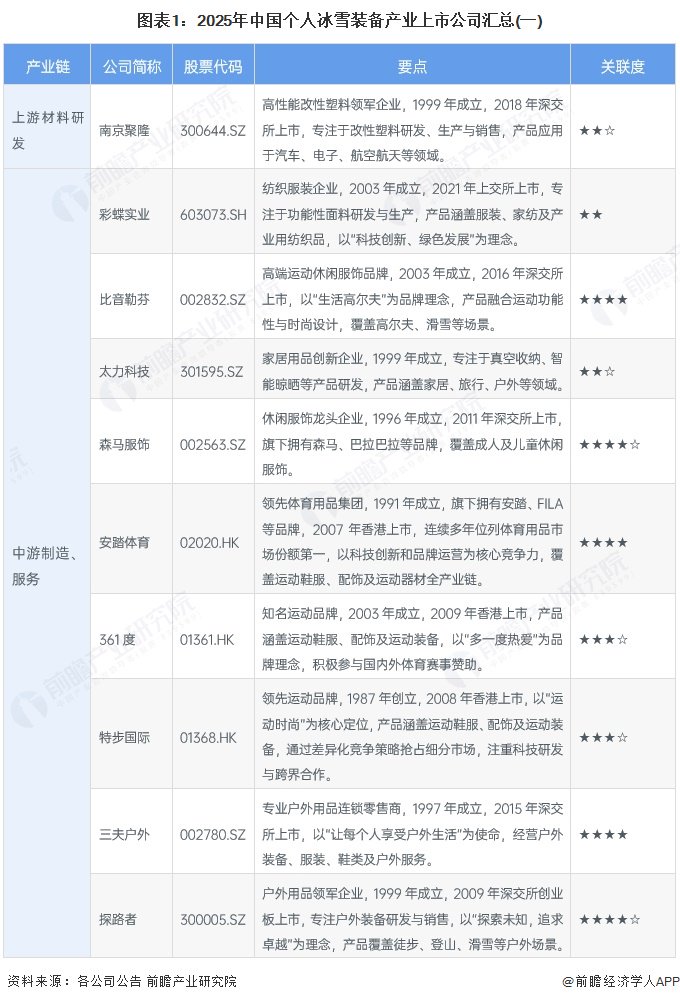
Core Viewpoint - The article discusses the rapid growth of the indoor snow sports economy in southern China, highlighting how cities with little to no snowfall are becoming significant players in the ice and snow consumption market, driven by strong consumer spending power and innovative facility designs [4][5][6]. Group 1: Market Growth and Consumer Trends - Southern cities are emerging as active participants in the ice and snow economy, with over 563 million visits to indoor snow venues in 2024-2025, accounting for over 21% of total visits nationwide [4]. - The largest indoor ski resort, Shenzhen Qianhai Ice and Snow World, opened in September last year, attracting over 5,000 visitors daily within six months of operation [4]. - The target demographic includes affluent parents, with 19% of ice and snow consumers being families, as skiing is seen as a valuable investment in children's development [6]. Group 2: Economic Structure and Spending Patterns - The primary expenses in the ice and snow sector include ticket prices, which are around 420 yuan for four hours, and coaching fees ranging from 200 to 600 yuan per hour [5]. - Indoor ski resorts are integrated into larger commercial complexes, offering additional attractions such as water parks and hotels, thus enhancing the overall consumer experience [7]. - The trend of combining skiing with other leisure activities is evident, as facilities aim to extend the consumer experience beyond just skiing [8]. Group 3: Operational Challenges and Industry Dynamics - Indoor ski resorts face higher operational costs compared to outdoor resorts, with energy costs potentially accounting for nearly half of total operational expenses [11]. - The investment return period for indoor ski resorts is longer, estimated at 10-15 years, compared to 5-8 years for outdoor resorts [11]. - Despite the growth, some indoor ski resorts have exited the market, indicating the challenges in converting casual visitors into long-term customers [12]. Group 4: Policy and Industry Support - The Chinese government has introduced policies to promote the development of the ice and snow industry, including financial incentives to reduce operational costs for southern venues [9]. - The domestic production of snow equipment is increasing, with over 90% of conveyor belts and more than 60% of snow-making machines now produced locally, which is expected to lower costs [10].

【最全】2025年个人冰雪装备行业上市公司全方位对比(附业务布局汇总、业绩对比、区域布局、业务规划等)
Qian Zhan Wang· 2025-11-12 06:08
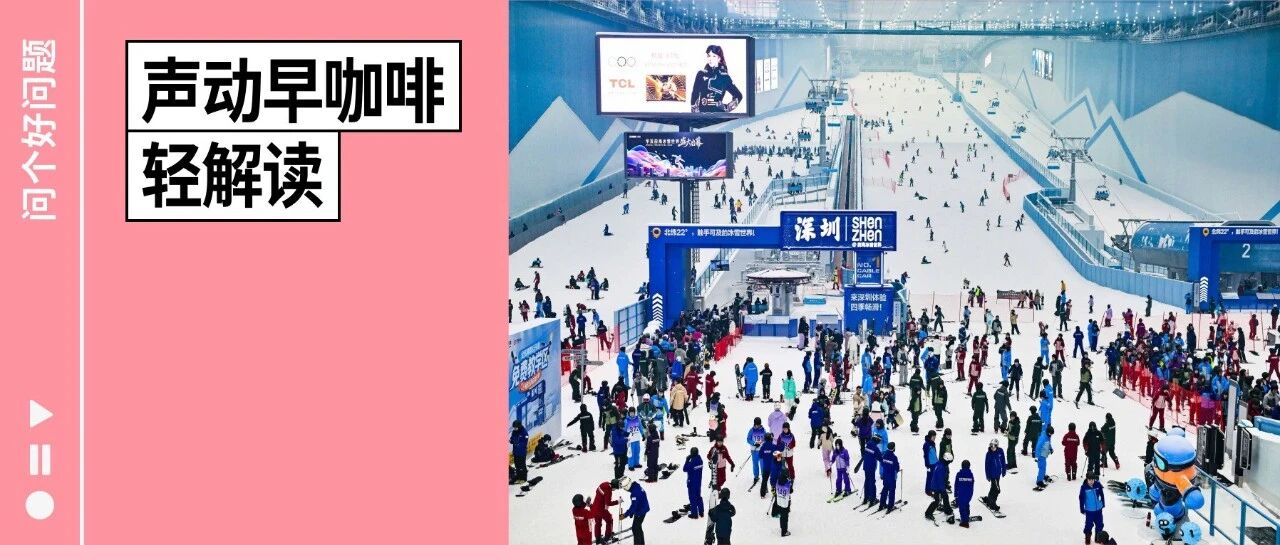
Core Insights - The article discusses the landscape of the personal snow equipment industry in China, highlighting the limited number of listed companies and their focus on outdoor sports and ice facility construction [1][5]. Company Overview - Major listed companies in the personal snow equipment sector include Sanfu Outdoor, Ternua, Anta, Inpace, Shuhua Sports, Xinlong Health, and Huali Technology, among others [1]. - The industry is divided into two main categories: companies focusing on outdoor sports equipment (e.g., Anta, Ternua) and those specializing in ice facility construction (e.g., Inpace) [1]. Financial Performance - Anta Sports leads in revenue with 42.2 billion yuan and a gross margin of 63.4%, attributed to its multi-brand strategy and strong profitability in snow-related business [3][4]. - Bi Yin Le Fen achieves the highest gross margin at 75.9% due to its high-end positioning, while Sanfu Outdoor maintains a gross margin of 58.6% from its specialized snow equipment [3][4]. - Other companies like Ternua and Semir have moderate gross margins, with Inpace and Shuhua Sports showing average margins [3]. Revenue and Profitability Metrics - In the first half of 2025, Anta Sports reported a revenue of 42.27 billion yuan, while other companies like 361 Degrees and Tebu International reported revenues of 6.26 billion yuan and 7.5 billion yuan, respectively [4]. - The earnings per share (EPS) varied significantly, with Anta at 2.77 yuan and Ternua at 0.38 yuan, while companies like Ternua and Inpace reported lower EPS figures [12]. Regional Market Focus - Companies are strategically located in regions rich in snow resources, with Anta, Sanfu Outdoor, and Ternua focusing on the Beijing-Tianjin-Hebei and Northeast areas, while others like Tebu and Inpace target East China and North China [5][7]. - Internationally, companies are expanding into Southeast Asia, Europe, and the Middle East to meet the growing demand for snow equipment [5][7]. Future Business Plans - Companies like Anta, 361 Degrees, and Tebu are increasing R&D investments in snow equipment and enhancing their international presence [15]. - Sanfu Outdoor plans to expand its snowfield store network and strengthen partnerships with ski clubs and event organizations [15]. - Inpace and Shuhua Sports are focusing on upgrading ice facilities and services, while Huali Technology is developing VR snow products [15].