
造雪机

Search documents
精准滴灌助力冰雪经济滑上“高级道”
Xin Lang Cai Jing· 2026-02-15 22:17
Group 1 - The ice and snow economy in Liaoning Province is experiencing significant growth, with a focus on enhancing financial support across various sectors including tourism, sports, culture, manufacturing, and infrastructure [1][2] - The provincial government plans to integrate special funds from cultural, tourism, and sports sectors to create a comprehensive support system for the high-quality development of the ice and snow economy, termed as the "five-dimensional" support path [1] - In 2025, Liaoning Province will allocate 100 million yuan to enhance ice and snow tourism, focusing on brand promotion, development of premium routes, and renovation of tourism facilities [2] Group 2 - During a specialized investment promotion event in June 2025, Liaoning Province signed 15 projects with a total intended investment of 7.318 billion yuan, emphasizing the importance of ice and snow themed projects [2] - The total number of tourists in the province during the 2024-2025 ice and snow season reached 195 million, generating a total tourism revenue of 187.626 billion yuan, reflecting year-on-year growth of 14.8% and 7.4% respectively [2] - The provincial government is actively supporting the high-end snow and ice equipment manufacturing sector, which is a key part of the ice and snow industry chain, through various financial incentives and funding mechanisms [2][3] Group 3 - Since 2025, the construction of venues for the "15th Winter Games" has entered a critical phase, with a total of 5.35 billion yuan allocated for venue and infrastructure development, ensuring the construction of key facilities [3] - The government is utilizing a financing model that combines provincial investment, corporate investment, self-raised funds from competition areas, and bond funds to support venue construction [3] - Liaoning Province is also enhancing collaboration between government and financial sectors, leveraging a 20 billion yuan industrial investment fund to attract social capital for promising ice and snow projects and enterprises [3]
冰雪经济-冷资源-价值重构新增长极
2026-02-05 02:21
Summary of the Ice and Snow Economy Conference Call Industry Overview - The ice and snow economy is defined as a model that transforms "cold resources" into "hot economy" through ice and snow sports, tourism, equipment support, and cultural drivers, becoming a new growth point for economic development [1][2] Key Points and Arguments - The national plan for the ice and snow economy sets a market size target of 1.5 trillion yuan by 2030, with a phased target of 1.2 trillion yuan by 2027. The industry scale is expected to grow from 360 billion yuan in 2016 to 980 billion yuan in 2024, with a compound annual growth rate of 21% [3][4] - Participation in ice and snow sports is rapidly increasing, with 294.2 million residents expected to participate in the 2024-2025 season, a participation rate of 20.61%, an increase of 27.44 million from the previous season. The proportion of high-frequency deep consumers has also increased, with over half of respondents having a consumption budget of over 500 yuan [5][6] - The ice and snow industry chain includes upstream heavy asset infrastructure and high-margin equipment, with 2,678 ice and snow sports venues established by the end of 2024. The midstream focuses on services such as venue operations, education, event hosting, and tourism, with revenues expected to reach 550 billion yuan in 2023-2024, a year-on-year increase of 58% [6][7] Additional Important Insights - The core expenditures in the downstream consumer market include tickets, transportation, and dining, with high-end ski equipment rentals and professional coaching services emerging as new growth points [7] - The current macroeconomic environment supports service consumption and domestic demand, making the ice and snow economy a beneficiary of policy incentives and industry upgrades. The upcoming Milan Winter Olympics may act as a catalyst for market interest [8]
接住消费新需求 多地“冰雪+”模式点燃“热经济”
Ren Min Wang· 2026-01-26 09:12
Group 1 - The core viewpoint of the articles highlights the rapid development and increasing popularity of ice and snow sports in China, driven by government policies and initiatives aimed at promoting the ice and snow economy [2][3] - The State Council has issued opinions to stimulate the ice and snow economy, aiming to consolidate the achievement of engaging 300 million people in ice and snow sports and to develop a comprehensive ice and snow industry chain [2][3] - By 2027, the goal is to enhance the infrastructure for ice and snow sports, improve service levels, and increase the total scale of the ice and snow economy to 1.2 trillion yuan [3] Group 2 - The ice and snow equipment and gear industry is crucial for the development of ice and snow sports and the overall ice and snow economy, with China having established a comprehensive product system for ice and snow equipment [4][5] - There are currently six champion enterprises and 21 "specialized, refined, distinctive, and innovative" enterprises in the ice and snow equipment sector, indicating a growing industrial base [5] - The government encourages the expansion of ice and snow sports through grassroots initiatives and strategic development, focusing on regional cooperation and innovation to enhance participation, especially among youth [5]
缺雪的南方城市,为何滑雪场生意越来越热闹? | 声动早咖啡
声动活泼· 2026-01-26 09:05
Core Viewpoint - The article discusses the rapid growth of the indoor snow sports economy in southern China, highlighting how cities with little to no snowfall are becoming significant players in the ice and snow consumption market, driven by strong consumer spending power and innovative facility designs [4][5][6]. Group 1: Market Growth and Consumer Trends - Southern cities are emerging as active participants in the ice and snow economy, with over 563 million visits to indoor snow venues in 2024-2025, accounting for over 21% of total visits nationwide [4]. - The largest indoor ski resort, Shenzhen Qianhai Ice and Snow World, opened in September last year, attracting over 5,000 visitors daily within six months of operation [4]. - The target demographic includes affluent parents, with 19% of ice and snow consumers being families, as skiing is seen as a valuable investment in children's development [6]. Group 2: Economic Structure and Spending Patterns - The primary expenses in the ice and snow sector include ticket prices, which are around 420 yuan for four hours, and coaching fees ranging from 200 to 600 yuan per hour [5]. - Indoor ski resorts are integrated into larger commercial complexes, offering additional attractions such as water parks and hotels, thus enhancing the overall consumer experience [7]. - The trend of combining skiing with other leisure activities is evident, as facilities aim to extend the consumer experience beyond just skiing [8]. Group 3: Operational Challenges and Industry Dynamics - Indoor ski resorts face higher operational costs compared to outdoor resorts, with energy costs potentially accounting for nearly half of total operational expenses [11]. - The investment return period for indoor ski resorts is longer, estimated at 10-15 years, compared to 5-8 years for outdoor resorts [11]. - Despite the growth, some indoor ski resorts have exited the market, indicating the challenges in converting casual visitors into long-term customers [12]. Group 4: Policy and Industry Support - The Chinese government has introduced policies to promote the development of the ice and snow industry, including financial incentives to reduce operational costs for southern venues [9]. - The domestic production of snow equipment is increasing, with over 90% of conveyor belts and more than 60% of snow-making machines now produced locally, which is expected to lower costs [10].


软硬兼修打造冰雪胜地IP
Jing Ji Ri Bao· 2026-01-26 04:15
Core Insights - The ice and snow economy is becoming a significant force in promoting winter tourism consumption and enriching leisure product offerings [1] Group 1: Policy Support and Development Framework - Strong policy support is evident, with the State Council issuing "24 Opinions" to stimulate the high-quality development of the ice and snow economy [1] - The National Development and Reform Commission has released a list of high-quality outdoor sports destinations, showcasing a structured development framework for ice and snow sports [1] Group 2: Industry Growth and Participation - The ice and snow sports participation reached 292 million people during the 2024-2025 season, with ski resorts receiving 256 million visitors [2] - The ice and snow economy is projected to exceed 900 billion yuan in 2024 and is expected to surpass 1 trillion yuan in 2025, becoming a new growth driver for consumption and investment [2] Group 3: Events and Market Integration - The 2024-2025 season saw a surge in tourism spending and visitor numbers in Harbin, driven by the Asian Winter Games and numerous high-level ice and snow events [2] - The integration of ice and snow sports with cultural, entertainment, and tourism sectors is enhancing market engagement and consumer experience [2] Group 4: Future Development Strategies - The focus should be on enhancing both quality and quantity in ice and snow tourism, including the development of high-end ski slopes and international hotel services [3] - There is a need to balance peak and off-peak seasons by developing year-round attractions and experiences to maximize resource utilization [3] Group 5: Infrastructure and Service Improvement - There is a pressing need to improve infrastructure and professional services at ski resorts to meet international standards and enhance visitor safety [4] - Recommendations include direct transportation access to ski resorts, comprehensive WiFi coverage, and the availability of certified bilingual instructors and emergency medical services [4]
追雪河南 火热“开板”之后,如何穿越四季?
He Nan Ri Bao· 2026-01-20 23:58
Core Insights - The article discusses the booming ice and snow economy in Henan, driven by increased participation in winter sports and tourism, with a focus on sustainability and year-round engagement [3][4][6][10]. Group 1: Industry Growth and Trends - The ice and snow economy in Henan is experiencing significant growth, with over 150,000 visitors recorded in the last snow season [5]. - The government is actively promoting the development of ice and snow sports, aiming for a national ice and snow industry scale to exceed 1 trillion yuan by 2025 [6][18]. - The participation rate in ice and snow sports is projected to reach 20.61% by 2025, with 292 million residents expected to engage in these activities [6]. Group 2: Challenges and Concerns - Many ski resorts face operational challenges, with significant investments in infrastructure leading to high maintenance costs during off-seasons [8][9]. - The industry is experiencing product homogeneity, with many resorts offering similar basic services, which may reduce their appeal to returning customers [9]. - The reliance on seasonal weather conditions poses risks to profitability, as warmer winters can shorten the snow season [9]. Group 3: Innovations and Solutions - The industry is exploring ways to extend the ice and snow experience beyond winter, integrating activities like mountain biking and outdoor festivals to attract visitors year-round [10][22]. - Companies are diversifying their offerings, with some transitioning from equipment manufacturing to providing comprehensive solutions for ice and snow projects [16]. - The development of themed accommodations and packages, such as "stay and ski" deals, is enhancing the overall visitor experience and driving demand [12][13]. Group 4: Future Outlook - The government is implementing policies to support the ice and snow economy, including the issuance of consumer vouchers to encourage participation in winter sports [18]. - There is a strong emphasis on creating unique experiences that leverage local culture and natural resources, aiming to differentiate Henan's offerings from other regions [22][24]. - The focus is shifting towards building a resilient and innovative ecosystem that integrates various sectors, including culture, technology, and tourism, to sustain growth in the ice and snow economy [23][24].
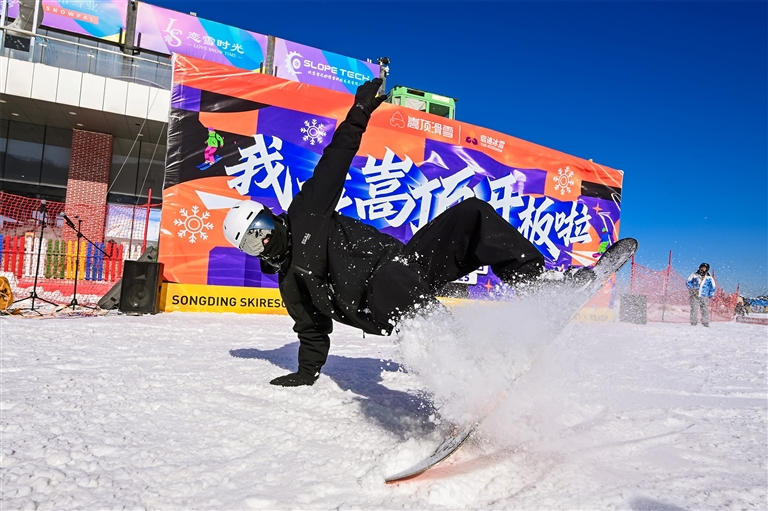
从冷资源里寻找热力值 让冬日河南热“雪”沸腾
He Nan Ri Bao· 2026-01-13 23:36
Core Insights - The article highlights the transformation of China's ice and snow tourism from a niche experience to a mainstream activity, with projections indicating that by the winter of 2025-2026, the number of ice and snow tourists will reach 360 million, generating revenue of 450 billion yuan [1][2] - The government has set ambitious targets for the ice and snow economy, aiming for a total scale of 1.2 trillion yuan by 2027 and over 1.5 trillion yuan by 2030 [2] - The ice and snow tourism market is increasingly driven by younger consumers, with significant participation from the post-90s and post-00s demographics, indicating a shift in consumer behavior and preferences [6][10] Industry Development - The ice and snow economy is characterized by a new development pattern of "north-south resonance, central rise, and east-west collaboration," which creates favorable conditions for the development of ice and snow tourism in Henan [2] - Henan has implemented a series of policies to promote ice and snow tourism and sports, positioning it as a key component of its cultural and tourism development strategy [4][5] - The "Winter Tour Central Plains: Hometown Henan" route has been recognized as a national-level ice and snow tourism boutique line, connecting major scenic spots and enhancing regional tourism appeal [5] Market Trends - Data shows that 74.8% of respondents are interested in ice and snow tourism activities, with a notable increase in frequency and spending on such activities [2] - The trend of younger consumers dominating the ice and snow tourism market is evident, with significant participation from the 18-35 age group, indicating a growing market potential [6][10] - The diversification of ice and snow tourism offerings, including urban ice rinks and themed parks, caters to various consumer needs and enhances accessibility [11][12] Infrastructure and Investment - Significant investments have been made in ice and snow tourism infrastructure, with over 200 million yuan allocated to develop comprehensive ice and snow tourism complexes in certain areas [9][10] - The establishment of professional ski resorts and the enhancement of existing facilities have improved the quality and appeal of ice and snow sports in Henan [9][10] - The development of ice and snow equipment manufacturing in Henan supports the local economy and reduces operational costs for ice and snow venues [14] Consumer Engagement - The integration of cultural elements with ice and snow activities, such as traditional crafts and performances, enhances the overall visitor experience and promotes local culture [12][13] - The rise of "ice and snow + culture" and "ice and snow + tourism" models reflects a trend towards cross-industry collaboration, meeting diverse consumer demands [14][16] - The increase in multi-day visits and related spending indicates a shift towards more immersive and extended tourism experiences in the ice and snow sector [15]
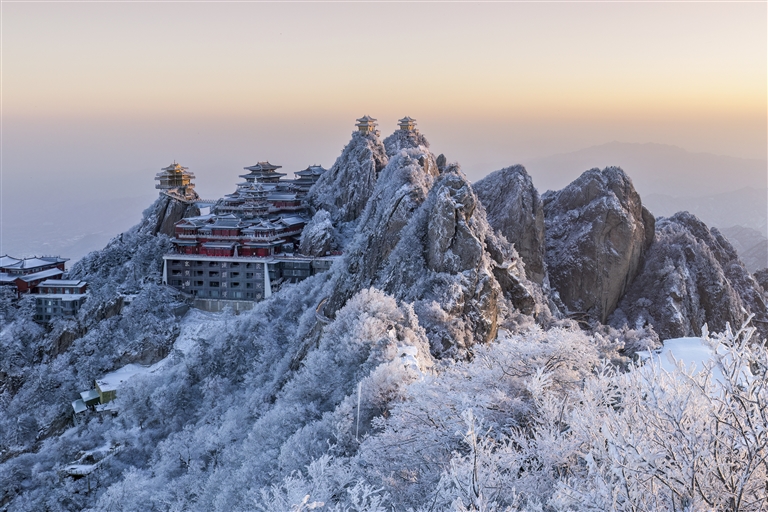
黑龙江哈尔滨:吸引八方来客 引领冰雪经济新机遇
Xin Hua Wang· 2026-01-13 03:37
Group 1 - Harbin is becoming a global hub for the ice and snow industry, highlighted by events such as the 42nd Harbin International Ice and Snow Festival and the International Ice and Snow Economic Expo, attracting around 300 renowned companies from various countries [1][2] - The Italian company Ten Ice Group plans to establish its fourth global equipment center in China, indicating the country's growing importance as a core area for technology research and manufacturing in the ice and snow sector [2] - China's ice and snow tourism is shifting from "sightseeing" to "experiencing," creating significant market opportunities for high-end snowmobiles and all-terrain vehicles [1][2] Group 2 - The global ice and snow industry is witnessing increased collaboration, with Chinese companies exporting ice and snow landscape construction and mobile ice-making technology to countries like Kazakhstan and Saudi Arabia [2] - The ice and snow sector is seen as a platform for global business and innovation, with Finland's Rovaniemi city deepening cooperation with China in this field [3] - Harbin's industrial foundation and technological innovation are attracting international attention, with local institutions like Harbin Institute of Technology being recognized for their expertise and quality [4][5]
吸引八方来客 中国“冰城”引领冰雪经济新机遇
Xin Hua Wang· 2026-01-09 02:29
Group 1 - Harbin is becoming a global hub for the ice and snow industry, attracting international attention and investment opportunities [5][6] - The 2026 Harbin International Ice and Snow Economic Expo gathered around 300 renowned companies from various countries, showcasing advanced products like snowmobiles and all-terrain vehicles [2][3] - The Italian company Ten Ice Group plans to establish its fourth global equipment center in China, highlighting China's role as a core area for technology research and manufacturing in the ice and snow sector [3] Group 2 - China's ice and snow services are beginning to achieve "reverse output," with companies exporting ice landscape construction and mobile ice-making technology to countries like Kazakhstan and Saudi Arabia [5] - The global market for ice and snow equipment is expanding, with significant potential for cross-border event operations and international licensing of ice and snow intellectual properties [5] - Harbin's industrial foundation and technological innovation are attracting international interest, with local institutions like Harbin Institute of Technology being recognized for their educational and research capabilities [6][7]

从冰博会看中国冰雪运动装备的机遇和挑战
Xin Hua Wang· 2026-01-08 07:43
Core Viewpoint - The 2026 Harbin International Ice and Snow Economic Expo highlights the opportunities and challenges for China's ice and snow sports equipment industry, showcasing advancements in domestic products and the potential to break foreign brand monopolies. Group 1: Industry Developments - The expo gathered ice and snow equipment companies from around the world, focusing on market opportunities [1] - Domestic manufacturers aim to increase market share and reduce reliance on imports, with significant breakthroughs in product development [1] - The number of companies in the ice and snow equipment sector has grown from approximately 300 in 2015 to around 900 in 2023, with sales revenue increasing from less than 5 billion to about 22 billion [3] Group 2: Product Innovations - Harbin Qianmao Xuelong Sports Equipment Co., Ltd. developed a specialized skiing board for the national team, utilizing aerospace-grade composite materials, priced at half of imported products [1] - Ice Snow Huan Tong Sports Equipment Technology Co., Ltd. launched 13 new products, including lightweight ski boards and helmets using aerospace-grade carbon fiber technology [2] - Heilongjiang Carbon Environment Composite Materials Co., Ltd. introduced carbon fiber ski boards and plans to expand into international markets [3] Group 3: Market Challenges - Despite advancements, domestic companies face challenges due to the established presence of foreign brands in the market [4] - High-end products are still dominated by foreign brands, indicating a need for continued innovation and integration within the supply chain [5] - Experts suggest that support for small and medium enterprises in terms of financing and policy is crucial for fostering innovation in the industry [5]