净零未来

Search documents
加拿大取消对华电动汽车100%关税
Sou Hu Cai Jing· 2026-01-17 05:46
Core Insights - The visit of Canadian Prime Minister Mark Carney to China resulted in significant agreements, including the cancellation of a 100% tariff on Chinese electric vehicles, marking a historic shift in Canada-China relations [1][4][11] Group 1: Trade Agreements - Canada will allow an annual quota of 49,000 Chinese electric vehicles, which will benefit from a 6.1% most-favored-nation tariff rate, prior to the 100% additional tariff set for 2024 [4][5] - The quota is expected to increase to 70,000 vehicles by the fifth year, promoting investment in Canada's automotive sector and creating new jobs [5][6] - The agreement on electric vehicles is seen as a positive step towards enhancing trade relations and addressing previous trade barriers [4][7] Group 2: Agricultural Trade - Carney announced that tariffs on Canadian canola seed will significantly decrease starting March 1, 2024, benefiting Canadian farmers and potentially releasing CAD 3 billion in export orders [6][7] - The goal is to not only restore previous export levels of canola to China but to exceed them, indicating a strong focus on agricultural trade [7][8] Group 3: Strategic Partnership - The signing of the China-Canada Economic and Trade Cooperation Roadmap represents a high-level cooperation document aimed at enhancing bilateral trade and investment [8][9] - The roadmap outlines cooperation in eight areas, including agriculture, energy, e-commerce, and sustainable trade, with 28 specific initiatives proposed [9][10] - Both countries are committed to establishing a regular communication mechanism to address trade concerns and enhance cooperation [8][9] Group 4: Energy Cooperation - Canada plans to double its energy network investments over the next 15 years, creating opportunities for Chinese partnerships in renewable energy sectors [10] - The expansion of the Trans Mountain pipeline is expected to facilitate increased oil exports to Asia, with China becoming a major buyer of Canadian crude oil [9][10] Group 5: Bilateral Relations - The recent agreements signify a shift towards a more predictable and stable relationship between Canada and China, contrasting with the complexities of Canada's relationship with the U.S. [11][12] - Carney emphasized the importance of diversifying trade partnerships to reduce reliance on the U.S. market, aiming to double non-U.S. exports over the next decade [12][13]


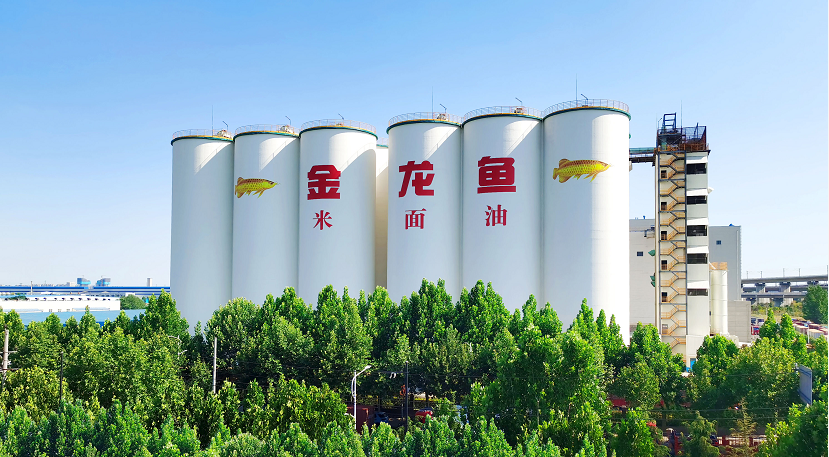
益海嘉里金龙鱼守护国民餐桌 践行可持续发展
Cai Jing Wang· 2025-04-01 07:38
Core Insights - The food industry is shifting from basic sustenance to a focus on health and nutrition, with companies like Yihai Kerry Arawana leading the way in this transformation [1][3] - Yihai Kerry Arawana's 2024 Sustainable Development Report highlights its commitment to sustainability, including circular economy practices and social responsibility [1][9] Group 1: Health and Safety Initiatives - Yihai Kerry Arawana has established a comprehensive quality control system from farm to table, ensuring food safety and product traceability [3][6] - The company has introduced innovative health-focused products, such as MLCT oils and low-GI rice and flour products, to meet evolving consumer demands [6][3] Group 2: Sustainable Practices - The company is actively engaged in reducing food waste and enhancing resource efficiency through advanced processing techniques in rice, wheat, soy, and corn [7][9] - Yihai Kerry Arawana has implemented measures to reduce greenhouse gas emissions, achieving a reduction of 136.3 million tons of CO2e by 2024 [9][10] Group 3: Recognition and Future Outlook - Yihai Kerry Arawana has been recognized as the top company in the food industry for sustainability by S&P Global's 2024 Corporate Sustainability Assessment [10] - The company aims to achieve net-zero emissions by 2050, focusing on optimizing energy use and promoting low-carbon practices across its value chain [9][10]