减重平台期

Search documents
司美格鲁肽停药后体重反弹?因为你没有这样做
GLP1减重宝典· 2025-12-30 14:46
Core Viewpoint - The article discusses the rising obesity rates in China and the global implications of obesity, highlighting the transformative role of GLP-1 medications like semaglutide in the weight loss market, while also addressing the challenges of medication adherence and the reasons for discontinuation of use [4][6][20]. Group 1: Obesity Statistics and Economic Impact - China has the highest number of overweight and obese individuals globally, with over 530 million adults affected, including approximately 100 million classified as obese [4] - By 2030, it is projected that the number of overweight adults in China will reach 540 million, and the number of obese individuals will increase to 150 million, representing a 2.8-fold and 7.5-fold increase from 2000, respectively [4] - The global obesity rate is expected to rise to 25% by 2035, up from 14% in 2020, with obesity impacting global economic productivity equivalent to 3.6% of the US GDP, leading to indirect costs as high as $1.24 trillion [4] Group 2: Medication Adherence and Discontinuation - A study published in the journal "Obesity" found that semaglutide has the highest adherence rate among weight loss medications, with 63% of users still on the medication after three months, 56% after six months, and 40% after one year [6] - Common side effects of GLP-1 medications include nausea, diarrhea, and vomiting, which may lead to discontinuation; 17% of patients reported nausea even at low doses of semaglutide [9] - Supply issues have plagued semaglutide since 2022, contributing to challenges in patient adherence [10] Group 3: Effects of Discontinuation - A clinical trial indicated that participants who stopped semaglutide after an initial 20-week treatment regained an average of 6.9% of their body weight, while those who continued the medication lost an additional 7.9% [7] - Participants who maintained semaglutide use and lifestyle changes lost an average of 17.3% of their body weight over 68 weeks, while those who stopped regained about two-thirds of their weight [7] Group 4: Reasons for Stopping Medication - Patients may stop using semaglutide after reaching their target weight or due to a plateau in weight loss, mistakenly believing the medication is no longer effective [12][15] - Gradual dose reduction is recommended to mitigate increased hunger sensations that may occur after stopping the medication [15] Group 5: Importance of Lifestyle Changes - Effective weight loss requires a combination of medication and lifestyle changes; reliance solely on medication is insufficient [16] - Regular exercise is crucial for preventing weight regain and improving overall health [19] Group 6: Long-term Use of Semaglutide - Studies show that continuous use of semaglutide over two years can lead to a weight reduction of 15.2% compared to placebo, with 77.1% of patients losing at least 5% of their body weight [20] - Obesity is a chronic condition requiring ongoing management, similar to other chronic diseases, emphasizing the need for long-term medication use [21]

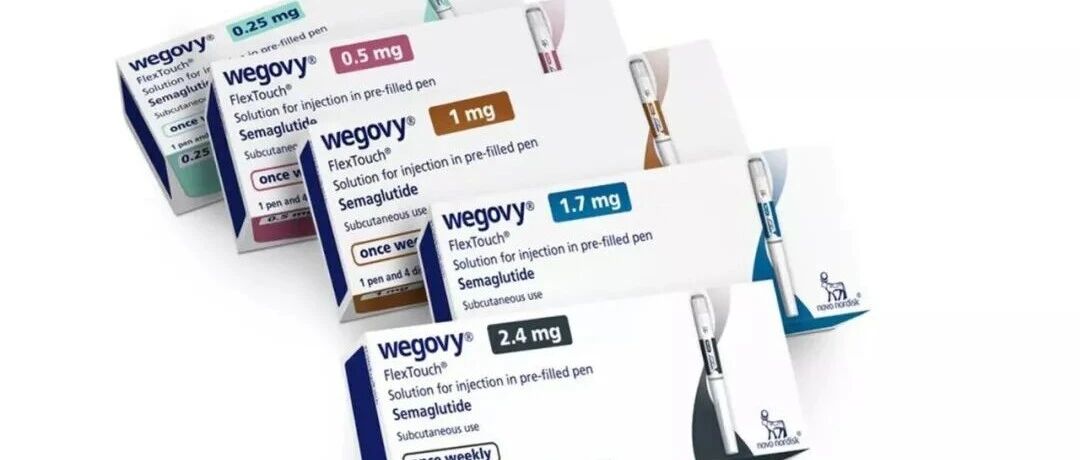
减重减不动了?一文看懂使用司美格鲁肽时如何应对平台期
GLP1减重宝典· 2025-05-26 08:04
Core Viewpoint - The article discusses the phenomenon of weight loss plateau, explaining its causes and potential solutions, emphasizing the importance of continuous intervention for effective weight management [1][4][12]. Group 1: Causes of Weight Loss Plateau - Weight loss plateau occurs when the body adjusts to reduced calorie intake and increased energy expenditure, leading to a decrease in basal metabolic rate (BMR) after losing approximately 5 kg [4][6]. - The body's natural set point theory suggests that it maintains weight within a 10%-20% range around a predetermined set point, which can lead to weight regain after initial weight loss [6][12]. - The increase in appetite following weight loss can counteract the effects of weight loss interventions, such as medications or surgeries, rather than indicating a failure of these treatments [9][12]. Group 2: Effectiveness of Weight Loss Medications - New weight loss medications like Wegovy and Zepbound can double the time before reaching a weight loss plateau, extending the average plateau period from one year to two years [3][9]. - Clinical trials, such as the STEP 5 trial, show that participants using Wegovy can achieve significant weight loss, averaging 15.2% over two years, compared to placebo [11]. - Long-term use of GLP-1 receptor agonists is necessary for sustained weight management, as stopping the medication often leads to weight regain [12][11]. Group 3: Strategies to Overcome Weight Loss Plateau - To break through a plateau, it is essential to continue medication and focus on increasing basal metabolic rate through improved sleep quality, increased muscle mass, and dietary optimization [13][17]. - Lowering the body's set point is crucial, which may take six months to a year, requiring patience and commitment from individuals [15][18]. - Dietary changes, such as reducing high-calorie foods and increasing protein and fiber intake, can enhance metabolism and help overcome weight loss stagnation [15][17]. Group 4: Importance of Lifestyle Changes - Regular physical activity, including both aerobic and resistance training, is vital for maintaining weight loss and improving metabolic rate [17]. - Adequate sleep is essential for metabolic regulation, as sleep deprivation can lead to hormonal imbalances that increase appetite and reduce satiety [17]. - Individuals must adopt sustainable lifestyle changes to maintain weight loss, as temporary measures are unlikely to yield long-term results [18].