体重调定点理论

Search documents
使用司美格鲁肽当短期“应急瘦身针”不可取!需严格遵循长期管理方案
GLP1减重宝典· 2026-01-26 11:48
Core Viewpoint - The article emphasizes the importance of using semaglutide as part of a long-term management plan for obesity, rather than as a quick-fix solution for weight loss. It warns against the misuse of the drug, which can lead to weight regain and adverse effects [2][6]. Group 1: Misuse of Semaglutide - There is a growing concern about the "follow-the-trend" phenomenon where individuals misuse semaglutide for rapid weight loss, leading to irregular injections and self-discontinuation of the drug [2][3]. - Medical experts stress that obesity is a chronic disease requiring structured long-term treatment, and that the pursuit of quick results can be counterproductive [6]. Group 2: Efficacy of Long-term Use - In the STEP 5 trial, participants using Wegovy (semaglutide) for two years lost an average of 15.2% of their body weight compared to a placebo group, highlighting the drug's effectiveness when combined with a low-calorie diet and increased physical activity [7]. - The SELECT trial showed that patients who continued semaglutide for four years maintained an average weight loss of about 10%, with no rebound observed for 65 weeks [7]. Group 3: Obesity as a Chronic Disease - Recent studies confirm that obesity is classified as a chronic disease, with 76.8% of obese patients and 94.6% of doctors agreeing on this classification [8][10]. - Obesity is linked to various health complications, including type 2 diabetes and cardiovascular diseases, necessitating its inclusion in chronic disease management [8][11]. Group 4: Complications from Obesity - Obesity is associated with multiple complications, including metabolic disorders and mental health issues, which significantly increase healthcare costs [11]. - A retrospective analysis indicated that conditions like hypertension and diabetes associated with obesity lead to increased medical expenses, with hypertension costs rising by 17.6% and diabetes by 9.2% [11]. Group 5: Weight Plateau and Management - Weight plateaus occur due to a decrease in basal metabolic rate after initial weight loss, which can hinder further weight reduction efforts [13][15]. - To overcome plateaus, it is essential to continue medication and implement strategies to boost metabolic rate and adjust the body's weight set point [16][17]. Group 6: Strategies to Break Through Plateaus - Adjusting dietary habits by reducing high-calorie foods and increasing protein and fiber intake can help overcome weight loss plateaus [20]. - Incorporating strength training alongside aerobic exercises can enhance muscle mass and metabolic rate, aiding in sustained weight loss [21]. - Ensuring adequate sleep is crucial for metabolic regulation, as sleep deprivation can disrupt hormone levels that control appetite [23].

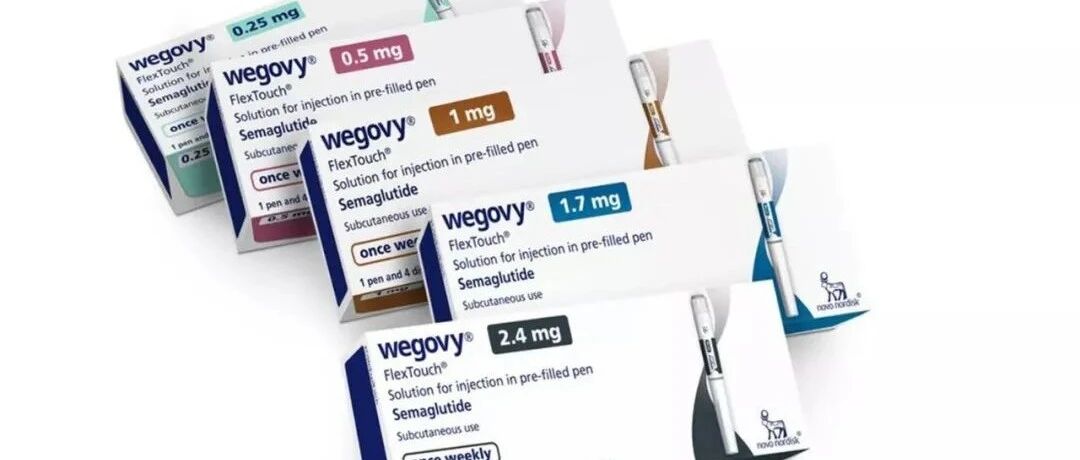
如果使用司美格鲁肽疗效不佳,自查这四大因素是否影响减肥进程!
GLP1减重宝典· 2026-01-11 03:02
Core Viewpoint - The article discusses the challenges and individual variability in the effectiveness of GLP-1 medications for weight loss, highlighting that a significant portion of patients may not achieve desired results due to various factors such as genetic differences, lifestyle habits, and medication adherence [2][4]. Group 1: Individual Variability in Weight Loss - Approximately 10%-15% of patients using GLP-1 medications experience poor weight loss results, with less than 5% weight reduction [4] - In clinical trials, about 14% of participants using semaglutide did not achieve a 5% weight loss, and one-third lost less than 10% [4] - Genetic differences and prior medication history may contribute to the variability in weight loss outcomes among patients [4] Group 2: Dosage and Administration - Individual sensitivity to GLP-1 medications necessitates careful dosage adjustments, starting with 0.25mg weekly and potentially increasing to 2.4mg based on efficacy and tolerance [5] - Adjustments in dosage should be made under medical supervision, considering individual health conditions [7] Group 3: Lifestyle Factors - Weight loss is not solely dependent on medication; lack of resistance training and high protein intake can hinder results [8] - A comprehensive approach combining medication with lifestyle changes, such as diet and exercise, is essential for effective weight management [8] Group 4: Weight Loss Plateaus - Weight loss plateaus are common due to a decrease in basal metabolic rate after losing approximately 5 kg [9] - The body may enter an energy conservation mode, making it difficult to continue losing weight [9] - Strategies to overcome plateaus include increasing metabolic rate and adjusting dietary habits [11][12] Group 5: Importance of Sleep - Insufficient sleep can disrupt metabolic regulation, leading to increased hunger and decreased satiety, which may hinder weight loss efforts [13] - Adequate sleep (7-9 hours per night) is crucial for muscle recovery and overall health, supporting weight loss and body composition goals [13] Group 6: Counterfeit Drug Concerns - The rise of counterfeit semaglutide drugs poses significant risks, with illegal production and sales reported in multiple regions [14] - Consumers are advised to purchase medications only from licensed pharmacies and under medical guidance to avoid potential health hazards [14]

减重减不动了?一文看懂使用司美格鲁肽时如何应对平台期
GLP1减重宝典· 2025-05-26 08:04
Core Viewpoint - The article discusses the phenomenon of weight loss plateau, explaining its causes and potential solutions, emphasizing the importance of continuous intervention for effective weight management [1][4][12]. Group 1: Causes of Weight Loss Plateau - Weight loss plateau occurs when the body adjusts to reduced calorie intake and increased energy expenditure, leading to a decrease in basal metabolic rate (BMR) after losing approximately 5 kg [4][6]. - The body's natural set point theory suggests that it maintains weight within a 10%-20% range around a predetermined set point, which can lead to weight regain after initial weight loss [6][12]. - The increase in appetite following weight loss can counteract the effects of weight loss interventions, such as medications or surgeries, rather than indicating a failure of these treatments [9][12]. Group 2: Effectiveness of Weight Loss Medications - New weight loss medications like Wegovy and Zepbound can double the time before reaching a weight loss plateau, extending the average plateau period from one year to two years [3][9]. - Clinical trials, such as the STEP 5 trial, show that participants using Wegovy can achieve significant weight loss, averaging 15.2% over two years, compared to placebo [11]. - Long-term use of GLP-1 receptor agonists is necessary for sustained weight management, as stopping the medication often leads to weight regain [12][11]. Group 3: Strategies to Overcome Weight Loss Plateau - To break through a plateau, it is essential to continue medication and focus on increasing basal metabolic rate through improved sleep quality, increased muscle mass, and dietary optimization [13][17]. - Lowering the body's set point is crucial, which may take six months to a year, requiring patience and commitment from individuals [15][18]. - Dietary changes, such as reducing high-calorie foods and increasing protein and fiber intake, can enhance metabolism and help overcome weight loss stagnation [15][17]. Group 4: Importance of Lifestyle Changes - Regular physical activity, including both aerobic and resistance training, is vital for maintaining weight loss and improving metabolic rate [17]. - Adequate sleep is essential for metabolic regulation, as sleep deprivation can lead to hormonal imbalances that increase appetite and reduce satiety [17]. - Individuals must adopt sustainable lifestyle changes to maintain weight loss, as temporary measures are unlikely to yield long-term results [18].