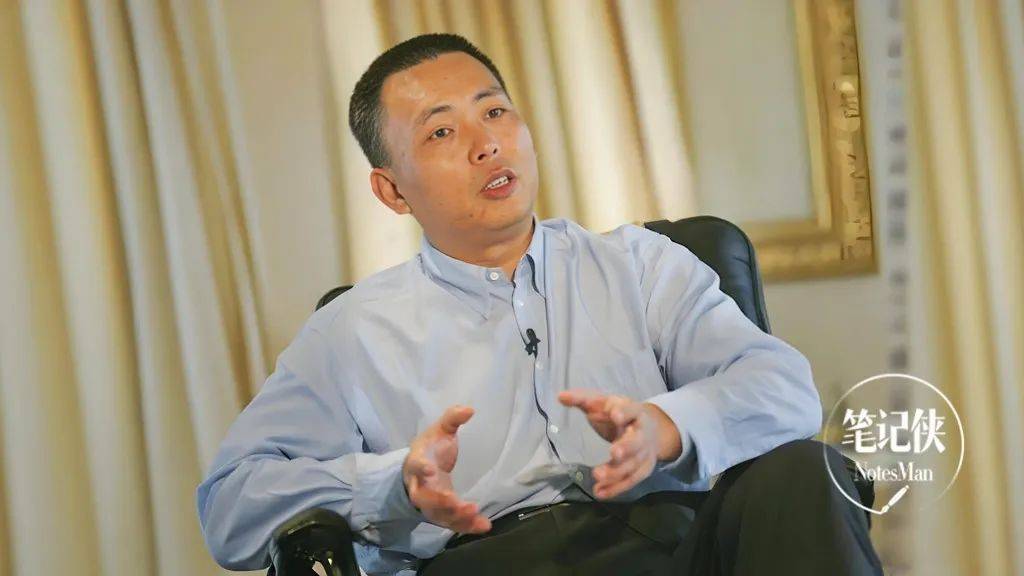
创业本质

Search documents
CEO的加减乘除与行稳致远
3 6 Ke· 2025-12-23 04:06
Group 1: Core Concepts - The essence of entrepreneurship is the race between the CEO's cognitive curve and the industry's time window, where success depends on the ability to upgrade cognition faster than opportunities disappear [1] - The fundamental tools for CEOs in managing a business are addition, subtraction, division, and multiplication, where addition builds the foundation, subtraction focuses efforts, division resets, and multiplication leads to explosive growth [1] Group 2: Addition as Foundation - Addition is crucial during the startup phase or critical transition periods, determining the organization's survival and cognitive breakthroughs [3] - CEOs must transition from being specialists to integrators, filling role gaps within the organization by becoming versatile leaders [4] - Expanding cognitive boundaries through social leverage is essential when facing new variables, allowing CEOs to break out of information silos [6] - Learning from cross-industry peers can fill knowledge gaps and drive transformation [10] - Non-work energy from personal life can enhance decision-making quality, serving as a counterbalance to decision fatigue [11] Group 3: Subtraction as Focus - Subtraction involves shedding redundancies and focusing on critical areas, especially during key turning points [14] - In the early stages, CEOs should avoid overambition and instead define their capability boundaries to prevent resource dilution [16] - During growth phases, CEOs should step back to empower their teams, focusing on strategic direction rather than operational details [19] - Long-term success requires resisting the temptation of diversification and maintaining focus on core competencies [22] Group 4: Division as Reset - Division involves rationally dissecting successes and failures to return to fundamental growth logic [26] - CEOs should analyze success factors to avoid attribution bias and maintain humility [28] - Organizations must adapt their capabilities to new market demands, shedding outdated practices [30] - CEOs should engage in first-principles thinking to address core business questions and avoid superficial solutions [32] Group 5: Multiplication as Growth - Multiplication leverages core capabilities for exponential growth, transforming individual strengths into organizational systems [36] - Strategic alliances can enhance growth by combining complementary strengths [40] - The ultimate multiplication occurs when CEOs evolve from operational roles to visionary leaders, fostering self-sustaining organizations [43] - The highest business achievement is enabling collective strength rather than individual prowess [44]


段永平:高手都在做减法
Sou Hu Cai Jing· 2025-07-06 15:34
Group 1 - The essence of entrepreneurship is to provide irreplaceable value, rather than merely pursuing business for profit [6][9] - Successful entrepreneurs often fall into two categories: those with no way out and those driven by ideals [10][12] - Key preparations for entrepreneurship include avoiding nepotism and accepting the possibility of failure [13][14] Group 2 - Corporate culture consists of three elements: mission, vision, and core values, which influence each other [15][16] - A strong corporate culture serves as a constraint beyond formal regulations, helping to avoid fundamental errors [18][19] - Evaluating corporate culture involves observing actions and words, focusing on whether decisions are based on ethics or profit [22][23] Group 3 - A good business model is characterized by differentiation, a strong competitive moat, and sustainable cash flow [26][39] - Differentiation is crucial for long-term success, as it allows companies to meet unique consumer needs [32][36] - Companies with strong products, like Moutai and Apple, have established robust business models [48] Group 4 - The distinction between doing the right thing and doing things right is essential for long-term success [49][50] - Establishing a "Stop Doing List" helps avoid wrong choices and emphasizes the importance of long-term thinking [51][54] - Successful execution involves learning from mistakes while maintaining control over the direction of the business [62][63] Group 5 - The concept of "本分" (being true to oneself) emphasizes doing what is right and maintaining integrity [67][78] - A calm and rational mindset, referred to as "平常心" (ordinary mind), is crucial for making sound decisions [80][84] - The philosophy of simplicity in business and life, encapsulated in "doing the right things and doing things right," reflects profound wisdom [89]