认知升级

Search documents
刚刚!混沌发放限量红包封面,还有5套思维大课免费学
混沌学园· 2026-02-13 02:24
Group 1 - The article emphasizes the importance of the Spring Festival as a time for reflection and planning for the future, offering a special learning program titled "New Year New Thinking" to help individuals achieve cognitive breakthroughs and upgrade their thinking [1] - The program runs from February 11 to February 24, 2026, featuring five thematic course packages that cover key areas such as cognitive upgrade, mental strength cultivation, philosophical thinking, management advancement, and entrepreneurial thinking [1] - Both members and non-members can participate in the program and access selected courses for free, with additional incentives such as limited edition red envelope covers available at the end of the article [1] Group 2 - The course on "Philosophical Thinking and Business Innovation" aims to help participants break free from binary thinking and understand the essence of business problems through a philosophical lens, enhancing their cognitive capabilities for better decision-making in the new year [5] - The "Wisdom of Managing Stress and Anxiety" course focuses on exploring inner strength and offers methods for stress management and self-awareness, helping individuals maintain inner peace and balance in a fast-paced life [10] - The course on "Eastern Philosophy and Modern Life" discusses the integration of Eastern and Western philosophies, providing a comprehensive perspective that enhances cognitive frameworks necessary for competition in the AI era [15] Group 3 - The "Systematic Methods for Building High-Performance Teams" course teaches management as empowerment rather than control, equipping managers with the skills to unlock team potential and improve management capabilities during the Spring Festival [20] - The "Entrepreneurial Thinking Upgrade from 0 to 1" course emphasizes methodical innovation in entrepreneurship, guiding participants to rethink the essence of entrepreneurship and develop their unique innovation paths [25]


2025年中国个人奢侈品市场:在“价值回归、认知升级”的时代重塑方向、稳步复苏
BAIN· 2026-02-01 06:28
Investment Rating - The report indicates a cautious recovery in the Chinese personal luxury goods market, with an overall decline expected to narrow to 3%-5% in 2025 [9][11]. Core Insights - The Chinese luxury goods market is gradually recovering, but consumers remain cautious, leading to a decline in non-essential spending. There is a growing preference for high-value luxury items that combine quality, uniqueness, and practicality [8][10]. - The market is witnessing a shift towards experiential luxury consumption, particularly in travel and health, as consumers favor emotional and sensory satisfaction over physical goods [8]. - Brands focusing on affordable luxury and ultra-high-end segments are gaining market share by providing "real value" to affluent young consumers and ultra-high-net-worth individuals [8][10]. - The share of overseas luxury consumption has decreased compared to 2024, driven by a weaker RMB and ongoing domestic promotions, which encourage luxury spending to return to mainland China [8][10]. Summary by Sections Market Overview - The Chinese personal luxury goods market is projected to shrink by 3%-5% in 2025, with signs of recovery in the third quarter. Different categories show varied performance, with beauty and personal care recovering, while watches continue to face pressure [10][11]. - The second-hand luxury market is growing robustly, with an expected increase of 15%-20%, although it still represents a small portion of the overall market [10][36]. Consumer Behavior - Consumers are becoming more discerning, leading to a cautious approach in luxury purchases. The market is transitioning into a slow growth phase, with expectations for continued recovery into 2026 [10][49]. - The report identifies three main consumer segments driving market dynamics: high-end consumers, middle-aged middle-income consumers, and a new generation of luxury seekers [28]. Category Performance - Beauty and personal care categories are showing strong recovery, with growth rates of 4%-7%. In contrast, the leather goods category is expected to decline by 8%-11% due to insufficient innovation and rising prices [18][20]. - Jewelry is expected to see a reduced decline of 0%-5%, while the watch category is under significant pressure, with an anticipated decline of 14%-17% [20]. Second-Hand Market - The second-hand luxury market is expected to grow significantly, driven by increased supply and changing consumer behavior towards value and sustainability [35][36]. - The second-hand market is primarily concentrated in leather goods and watches, with leather goods accounting for 50%-55% of the market [40]. Local Brand Competitiveness - Chinese local luxury brands are emerging as significant competitors by integrating innovative designs with local culture, thus attracting consumer attention [45]. - These brands are leveraging a deeper understanding of local consumer preferences to create unique product aesthetics and marketing strategies [45][48]. Future Outlook - The luxury market is expected to continue facing volatility and uncertainty in 2026, but there are signs of sustained recovery, supported by domestic policy and geopolitical factors [49][50]. - The second-hand luxury market's low penetration rate compared to global averages indicates substantial growth potential [49].
中国商界大佬,都在做这件事
盐财经· 2026-01-31 09:37
Core Viewpoint - The article emphasizes the critical role of reading in the lives of successful entrepreneurs, highlighting how it serves various functions throughout their careers and contributes to their personal and professional development [3][4]. Group 1: Importance of Reading for Entrepreneurs - Entrepreneurs in China often come from humble beginnings and have a strong desire to learn, using books as essential tools for self-education [6][9]. - Ren Zhengfei, founder of Huawei, exemplifies this by self-studying law to resolve business issues, which later influenced Huawei's legal strategies [7][9]. - Reading is not merely a leisure activity for entrepreneurs; it is a means to address survival challenges and enhance their business acumen [9][10]. Group 2: Influence of Specific Books - Song Zhiping, a notable entrepreneur, frequently recommends Peter Drucker's "Innovation and Entrepreneurship," viewing innovation as fundamental to entrepreneurial spirit [10][12]. - During Song's leadership at China National Building Material Group, the company achieved significant revenue growth, emphasizing the need for continuous innovation [12][13]. - Entrepreneurs like Lei Jun and Jack Ma have shared how specific books inspired their entrepreneurial journeys, shaping their visions and ambitions [19][21]. Group 3: Transition from Wealth to Cultural Appreciation - As entrepreneurs accumulate wealth, they face the challenge of enhancing their public image and social reputation, prompting a shift from materialism to a focus on cultural and aesthetic pursuits [25][27]. - The concept of "useless books" is introduced, suggesting that reading literature that may not have immediate practical applications can profoundly shape one's character and worldview [27][28]. - Entrepreneurs increasingly recognize the value of reading diverse materials to break free from conventional thinking and expand their understanding of the world [28][30].

2026,从这条Flag开始 | 红杉汇读者Flag大赏
红杉汇· 2026-01-04 00:06
Personal Development - The article emphasizes the importance of personal growth and setting clear goals for the future, particularly in the context of professional development and learning new skills [1][2] - Several contributors outline their specific plans for 2026, focusing on areas such as deep learning, industry networking, and continuous education through reading and online seminars [3][4][5] Family Planning - Contributors express a desire to strengthen family bonds through shared activities, such as exercise and quality time, highlighting the significance of family support in personal endeavors [10][11] - Specific goals include regular family exercise days, celebrating important dates, and creating lasting memories through shared experiences [12][13][15][16] Life Philosophy - The article encourages readers to find balance in life, suggesting that amidst busy schedules, one should seek moments of joy and connection with loved ones [17][18] - Contributors share aspirations for health and well-being, including fitness goals and maintaining a healthy lifestyle, which are seen as foundational for pursuing dreams [19][20][21][22]

CEO的加减乘除与行稳致远
3 6 Ke· 2025-12-23 04:06
Group 1: Core Concepts - The essence of entrepreneurship is the race between the CEO's cognitive curve and the industry's time window, where success depends on the ability to upgrade cognition faster than opportunities disappear [1] - The fundamental tools for CEOs in managing a business are addition, subtraction, division, and multiplication, where addition builds the foundation, subtraction focuses efforts, division resets, and multiplication leads to explosive growth [1] Group 2: Addition as Foundation - Addition is crucial during the startup phase or critical transition periods, determining the organization's survival and cognitive breakthroughs [3] - CEOs must transition from being specialists to integrators, filling role gaps within the organization by becoming versatile leaders [4] - Expanding cognitive boundaries through social leverage is essential when facing new variables, allowing CEOs to break out of information silos [6] - Learning from cross-industry peers can fill knowledge gaps and drive transformation [10] - Non-work energy from personal life can enhance decision-making quality, serving as a counterbalance to decision fatigue [11] Group 3: Subtraction as Focus - Subtraction involves shedding redundancies and focusing on critical areas, especially during key turning points [14] - In the early stages, CEOs should avoid overambition and instead define their capability boundaries to prevent resource dilution [16] - During growth phases, CEOs should step back to empower their teams, focusing on strategic direction rather than operational details [19] - Long-term success requires resisting the temptation of diversification and maintaining focus on core competencies [22] Group 4: Division as Reset - Division involves rationally dissecting successes and failures to return to fundamental growth logic [26] - CEOs should analyze success factors to avoid attribution bias and maintain humility [28] - Organizations must adapt their capabilities to new market demands, shedding outdated practices [30] - CEOs should engage in first-principles thinking to address core business questions and avoid superficial solutions [32] Group 5: Multiplication as Growth - Multiplication leverages core capabilities for exponential growth, transforming individual strengths into organizational systems [36] - Strategic alliances can enhance growth by combining complementary strengths [40] - The ultimate multiplication occurs when CEOs evolve from operational roles to visionary leaders, fostering self-sustaining organizations [43] - The highest business achievement is enabling collective strength rather than individual prowess [44]

消费者更追求“值得” 赵浩兴谈2026年中国商业创新四大关键词
Sou Hu Cai Jing· 2025-12-20 09:17
Core Insights - The article discusses the systemic transformation of Chinese commerce driven by technology, demand, and ideology, highlighting four key themes for innovation by 2026: cognitive upgrade, polymorphic symbiosis, digital intelligence empowerment, and emotional experience [1][2]. Group 1: Key Themes of Innovation - Cognitive upgrade emphasizes returning to the essence of business, focusing on respecting consumers and enhancing quality of life [2]. - Polymorphic symbiosis advocates breaking industry boundaries to foster collaboration between commerce and sectors like culture, tourism, health, and sports [2]. - Digital intelligence empowerment focuses on enhancing efficiency through digital technology while infusing warmth into services, creating intelligent and compassionate business environments [2]. - Emotional experience requires businesses to create genuine and warm scenarios that provide both rational and emotional satisfaction to consumers [2]. Group 2: Impact of AI on Consumption - AI is no longer a concept but a significant force reshaping the consumption market across the entire supply chain [2]. - On the supply side, intelligent products are experiencing double-digit growth, becoming a primary driver of consumption [2]. - New shopping scenarios like immersive shopping and instant retail are emerging, heavily influenced by AI's precise insights into consumer behavior [2]. Group 3: Changing Consumer Logic - Consumers are shifting their focus from merely seeking low prices to pursuing value, which includes emotional value, service quality, and brand integrity [2][3]. - The "three qualities of brand" concept—morality, character, and quality—suggests that true brands succeed by creating and communicating comprehensive value rather than relying on low prices [3]. Group 4: Challenges and Talent Needs - The main challenge in commercial innovation is not a lack of technology but the disconnect between technology and real consumer needs [3]. - There is a significant talent bottleneck, with a scarcity of professionals who understand both business and technology and are willing to innovate [4]. - The traditional education system often produces specialists rather than versatile talents needed for modern commerce, which requires a blend of product knowledge, market understanding, consumer psychology, and aesthetic appreciation [4]. Group 5: Policy Support and Future Outlook - The Chinese government is prioritizing domestic demand and market strength, with initiatives aimed at boosting consumption and removing unreasonable restrictions in the consumption sector [4]. - A strong domestic market is seen as a strategic foundation for China's modernization and economic resilience [4]. - The future of commercial innovation in China is viewed positively, with an emphasis on sincerity and value as key drivers for success [4].
马云预言怎么回事?2026年,手握存款的人,或将面临三大挑战
Sou Hu Cai Jing· 2025-12-16 09:43
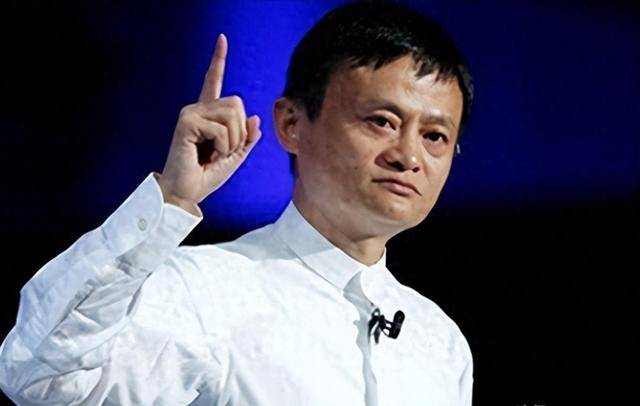
Core Insights - The traditional safety of bank deposits is diminishing as interest rates fail to keep pace with inflation, leading to a sense of financial anxiety among individuals [1][9] - The investment landscape is fraught with risks, and many are falling prey to scams promising high returns, particularly among those less familiar with financial markets [11][15] Group 1: Bank Deposits and Inflation - Bank deposit interest rates have significantly declined from 3.25% in 2021 to below 2.15% by 2024, with some banks offering rates as low as 1.95% [3] - The purchasing power of money is eroding, with essential goods like vegetables and medications experiencing price increases, leading to a phenomenon termed "invisible shrinkage" of wealth [5][7] Group 2: Investment Risks and Scams - Many individuals are seeking higher returns due to low interest rates, making them vulnerable to scams that promise guaranteed profits [11][13] - Financial products from banks are also yielding lower returns, with some investment products dropping by as much as 150 basis points, leading to significant losses for investors [15] Group 3: Economic Environment and Employment - The rise of AI is contributing to a cycle of "technological unemployment," where job losses lead to reduced consumer spending, further exacerbating economic challenges [17] - Historical comparisons, such as the "lost two decades" in Germany and Japan, highlight the importance of stable asset allocation over speculative investments during turbulent times [19][41] Group 4: Entrepreneurship Challenges - The entrepreneurial landscape has become increasingly difficult, with over 80% of new restaurant ventures failing within months due to market saturation and rising costs [24][26] - Successful entrepreneurs are those who adapt to market demands and invest in skills that meet real needs, rather than following trends blindly [28] Group 5: Financial Management Strategies - A shift in wealth management strategies is evident, with individuals prioritizing certainty over high returns, reflecting lessons learned from past financial pitfalls [17][20] - The concept of "stable and detailed" financial management is emphasized, advocating for a balanced approach to savings, investments, and personal development [32][35]
如何重新找回深度阅读的乐趣?
3 6 Ke· 2025-12-02 08:08
Core Insights - The article emphasizes the importance of reading as a means of cognitive enhancement and personal growth, highlighting the need to prioritize reading in daily life [5][22] Group 1: Reading Challenges - Many individuals experience a decline in reading due to life pressures, leading to a phenomenon termed "reading desert," where the desire to read exists but the action does not [3][4] - Surveys indicate that over one-third of adults in the U.S. wish to read more, with even higher percentages in France, where 65% of individuals aged 15 and above express a desire to increase their reading volume [3] Group 2: Prioritizing Reading - To read more, it is essential to elevate reading to a higher priority in daily routines, which may involve redesigning habits and schedules to allocate fixed time for reading [5][6] - Successful readers often integrate reading into their professional lives, demonstrating that when reading becomes a necessity, it naturally takes precedence over other activities [5] Group 3: Cognitive Benefits of Reading - Engaging with literature enhances empathy and emotional recognition, while non-fiction broadens cognitive boundaries and improves decision-making quality [10] - Long-term reading habits are associated with a lower risk of Alzheimer's disease and related cognitive disorders [10] Group 4: Building Reading Habits - Establishing a reading habit requires understanding intrinsic motivations and creating an environment conducive to reading [9][13] - The "two-minute rule" suggests starting with minimal reading goals to foster a habit, gradually increasing the duration as the habit solidifies [16] Group 5: Identity and Reading - Transforming into a reader involves adopting an identity that aligns with reading, which can be reinforced through daily actions and self-affirmations [18][20] - The article suggests that recognizing oneself as a reader can shift reading from a chore to a natural behavior [20] Group 6: Advanced Techniques for Habit Formation - Accepting occasional setbacks in reading is part of the habit-building process, and visualizing progress can enhance motivation [21] - Joining reading communities can amplify the enjoyment of reading and help maintain the habit by turning it into a social activity [21]

这四个生肖为何总能抓住商机?揭秘他们的财富增长密码
Xin Lang Cai Jing· 2025-11-10 08:39
Core Insights - The article discusses the correlation between zodiac signs and financial success, highlighting specific traits and strategies associated with individuals born under the signs of Rat, Snake, Monkey, and Pig [3][4][7][9]. Group 1: Zodiac Sign Insights - **Rat**: Individuals born in the Year of the Rat are characterized as opportunity hunters, with a knack for identifying business opportunities in seemingly ordinary situations. They are advised to focus on AI applications, the silver economy, and county-level economies in the next six months [3]. - **Snake**: Those born in the Year of the Snake exhibit a philosophy of steady success, marked by high sensitivity to information and the ability to integrate resources effectively. They are encouraged to explore long-term value sectors like vocational training and health management, especially as their financial prospects are expected to improve in 2028 [4][6]. - **Monkey**: People born in the Year of the Monkey are noted for their creativity and ability to monetize everyday inspirations. They are advised to concentrate on the knowledge payment sector, particularly in developing lightweight courses in niche areas [7]. - **Pig**: Individuals born in the Year of the Pig often benefit from the support of others, revealing the economic value of interpersonal relationships. They are advised to enhance their financial management skills to convert assistance into sustainable business models [8][9]. Group 2: Common Wealth Traits - The analysis of these zodiac signs reveals three common traits among high financial intelligence individuals: opportunity sensitivity, resource integration, and risk balancing. These traits can enhance wealth creation capabilities regardless of zodiac sign [10][14]. - **Opportunity Sensitivity**: The ability to identify overlooked value points is crucial for financial success [14]. - **Resource Integration**: Effectively combining fragmented elements into profitable models is a key strategy [14]. - **Risk Balancing**: Successful individuals are willing to try new ventures while also understanding the importance of setting safety nets [14].

5位汽车大咖的极限48小时
汽车商业评论· 2025-10-05 23:08
Core Viewpoint - The article emphasizes the necessity for the Chinese automotive industry to embrace globalization as a critical strategy for survival and growth, highlighting the complexities and challenges involved in this transition [8][9]. Group 1: Industry Leaders' Insights - Su Weiming from Renault China stresses the importance of cultural management in cross-border operations, advocating for a structured approach to mitigate communication barriers and enhance operational efficiency [16][17]. - Wang Ting from Chery emphasizes the need for an ecosystem approach in supply chain management, advocating for a shift from traditional procurement to a more integrated and collaborative model [20][21]. - Cui Weiguo from SAIC International warns against price competition in overseas markets, suggesting that value creation through technology differentiation is essential for sustainable growth [24][26]. - Feng Qingfeng from Lotus Group calls for a cognitive upgrade in the automotive industry, arguing that innovation should focus on creating new categories rather than merely enhancing existing products [29][32]. - Xu Daqian from Bosch China highlights the importance of long-term governance structures and local adaptation in achieving success in global markets [35][38]. Group 2: Challenges and Strategies for Globalization - The article outlines various challenges faced by Chinese automotive companies in their globalization efforts, including tariff barriers, technical hurdles, and cultural differences [24][25]. - Su Weiming suggests that companies should prioritize local partnerships and adapt their strategies to fit the unique characteristics of each market [17][18]. - Wang Ting emphasizes that a green supply chain is not just a cost but a necessity for survival in the future market landscape [22]. - Golding from PwC points out that the current overseas market demands a different approach to technology and iteration speed compared to the domestic market [41][42]. Group 3: Future Directions - The article suggests that the future of the automotive industry lies in recognizing and addressing the diverse consumer demands across different regions, which can unlock new growth opportunities [30][32]. - Xu Daqian advocates for a focus on quality and technology rather than price competition, drawing lessons from successful global players like Toyota [38][39]. - Golding emphasizes the importance of strategic mergers and acquisitions as a means to enhance competitiveness and scale in the global market [41][42].