利益平衡

Search documents
美国组建稀土联盟,55国代表欣然参会,首个帮中国说话的国家出现
Sou Hu Cai Jing· 2026-02-10 05:47
Core Viewpoint - The "Critical Minerals Ministerial Meeting" hosted by the U.S. aims to establish a coalition against China's dominance in the rare earth and critical minerals sector, despite the apparent focus on technical cooperation among participating countries [3][5][18]. Group 1: U.S. Strategy and Objectives - The U.S. emphasizes "supply chain security" and proposes the creation of a "Critical Minerals Preferential Trade Group" to set price floors and implement adjustable tariffs for resource extraction and refining [3][5]. - The U.S. has allocated $100 billion in loan authority to entice countries to join this coalition, which includes both traditional allies and resource-rich nations [5]. - The U.S. is heavily reliant on imports for critical minerals, with nearly 70% of rare earth compounds sourced from abroad, particularly from China, making the goal of supply chain independence challenging [7][18]. Group 2: Argentina's Position - Argentina's Foreign Minister publicly stated that the agreement with the U.S. does not exclude Chinese investment in Argentine minerals, challenging the notion of a U.S.-led exclusive alliance [9][11]. - Argentina's relationship with China is crucial, as it is a significant lithium resource country and China's second-largest trading partner, with substantial Chinese investments in local energy and infrastructure [11][13]. - The Argentine stance reflects a broader sentiment among participating countries, indicating a desire to balance relationships rather than fully align with the U.S. against China [15][25]. Group 3: Global Supply Chain Dynamics - The global supply chain for rare earths is highly interdependent, with countries seeking to maximize their economic benefits rather than strictly choosing sides [17][25]. - China's dominance in the rare earth sector is underscored by its control over 34% of global resources and 92% of refining capacity, creating significant barriers for the U.S. to replicate this industrial ecosystem [18][20]. - The U.S. attempts to manipulate market dynamics through political means, such as price floors and tariffs, which may disrupt the established supply chains tied to high-tech industries [23][27].

China says it hopes firms seek lawful, balanced solutions over TikTok deal
Reuters· 2025-12-25 07:49
Core Viewpoint - The Chinese government emphasizes the importance of companies finding solutions that adhere to Chinese laws and regulations while balancing the interests of all stakeholders [1] Group 1 - The Chinese commerce ministry spokesperson highlighted the government's desire for companies to comply with legal frameworks [1] - There is a focus on ensuring that the interests of all parties involved are considered in corporate decision-making [1]


企业变革,要不要平衡利益?
Hu Xiu· 2025-10-24 02:36
Core Viewpoint - The reforms initiated by Zong Fuli at Wahaha, focusing on digitalization and process optimization, have sparked controversy regarding the balance of internal stakeholder interests [1] Group 1 - Zong Fuli's reforms at Wahaha are seen as potentially overlooking the internal balance of power among stakeholders [1] - The success of Zong Fuli's reforms is questioned, raising the issue of whether corporate transformations should consider the balance of interests [1]
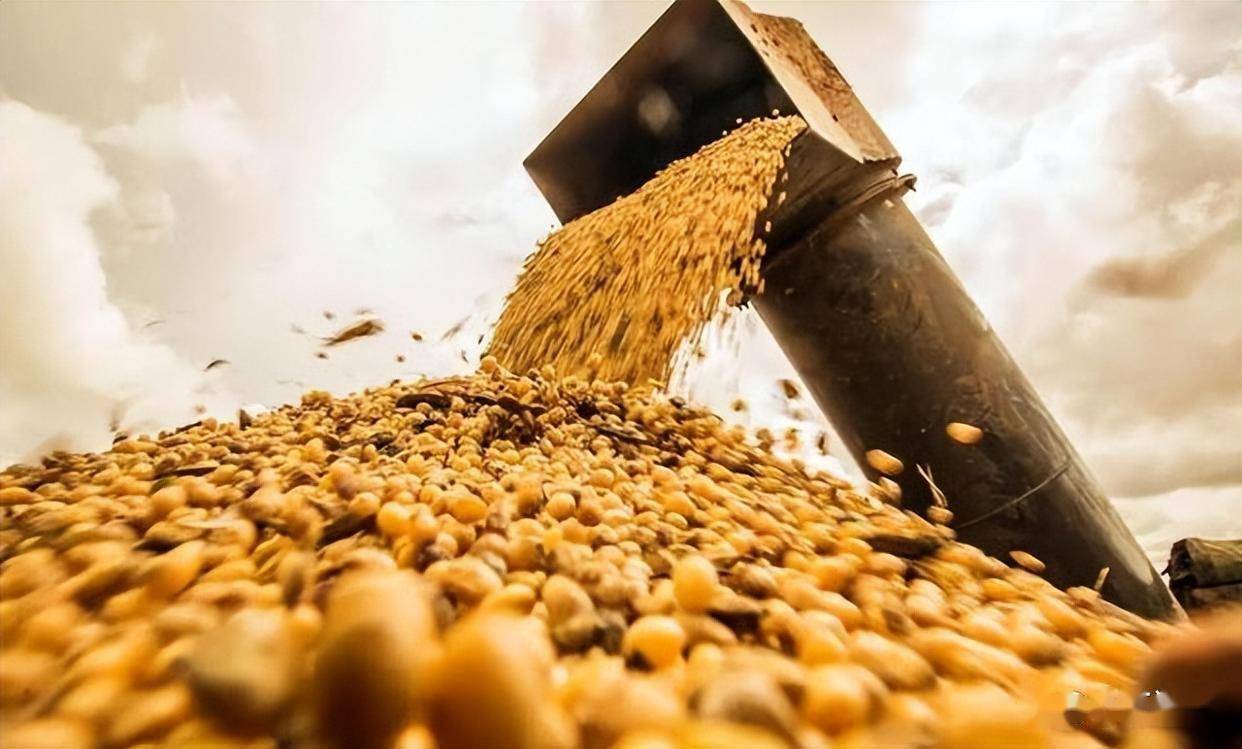
日本被迫接手中国不要的美豆,背后代价惊人,美日交易有多黑?
Sou Hu Cai Jing· 2025-05-08 07:17
Core Insights - The global agricultural market is experiencing a power shift, particularly affecting U.S. soybean exports to China due to tariffs, leading to significant market challenges for U.S. farmers [1][3]. Group 1: U.S. Soybean Market Dynamics - In 2024, U.S. soybean exports to China plummeted by 62%, dropping from $12.84 billion in 2022 to $4.87 billion, with over 3 million tons of soybeans stuck in Midwest warehouses, representing 15% of the annual U.S. production [3]. - The tariff escalation began in early 2023 when the U.S. raised tariffs on Chinese electric vehicles to 27.5%, prompting China to impose a 35% tariff on U.S. soybeans, causing U.S. soybean prices to soar to $1,026 per ton, nearly double that of Brazilian soybeans priced at $580 per ton [3]. Group 2: Japan's Role and Negotiations - In Q1 2025, China imported only 120,000 tons of U.S. soybeans, a staggering 89% decrease, while Brazilian soybean imports surged by 45%, capturing 82% of the Chinese market [5]. - The U.S. government is seeking to increase soybean imports from Japan by 40% over three years, aiming to raise the current 60% share of U.S. soybeans in Japan's imports to 80%, which would absorb 160,000 tons of U.S. soybeans from the current unsold inventory [5][6]. - The U.S. is also negotiating to lower Japan's beef import tariffs from 38.5% to 25% and eliminate technical barriers on organic dairy products, which could significantly impact Japan's agricultural sector [6]. Group 3: Economic Implications and Domestic Reactions - If Japan fully complies with U.S. demands, it could incur an additional $1.5 billion in soybean import costs annually, equating to 18% of Japan's total agricultural budget for 2024 [11]. - Domestic backlash in Japan is evident, with protests from farmers against the perceived concessions to U.S. agricultural interests, highlighting the tension between national interests and alliance obligations [11][13]. - The situation underscores the precarious balance between geopolitical alliances and economic self-interest, as Japan navigates the complexities of trade negotiations with the U.S. while managing domestic agricultural pressures [13][15].