
制度化治理

Search documents
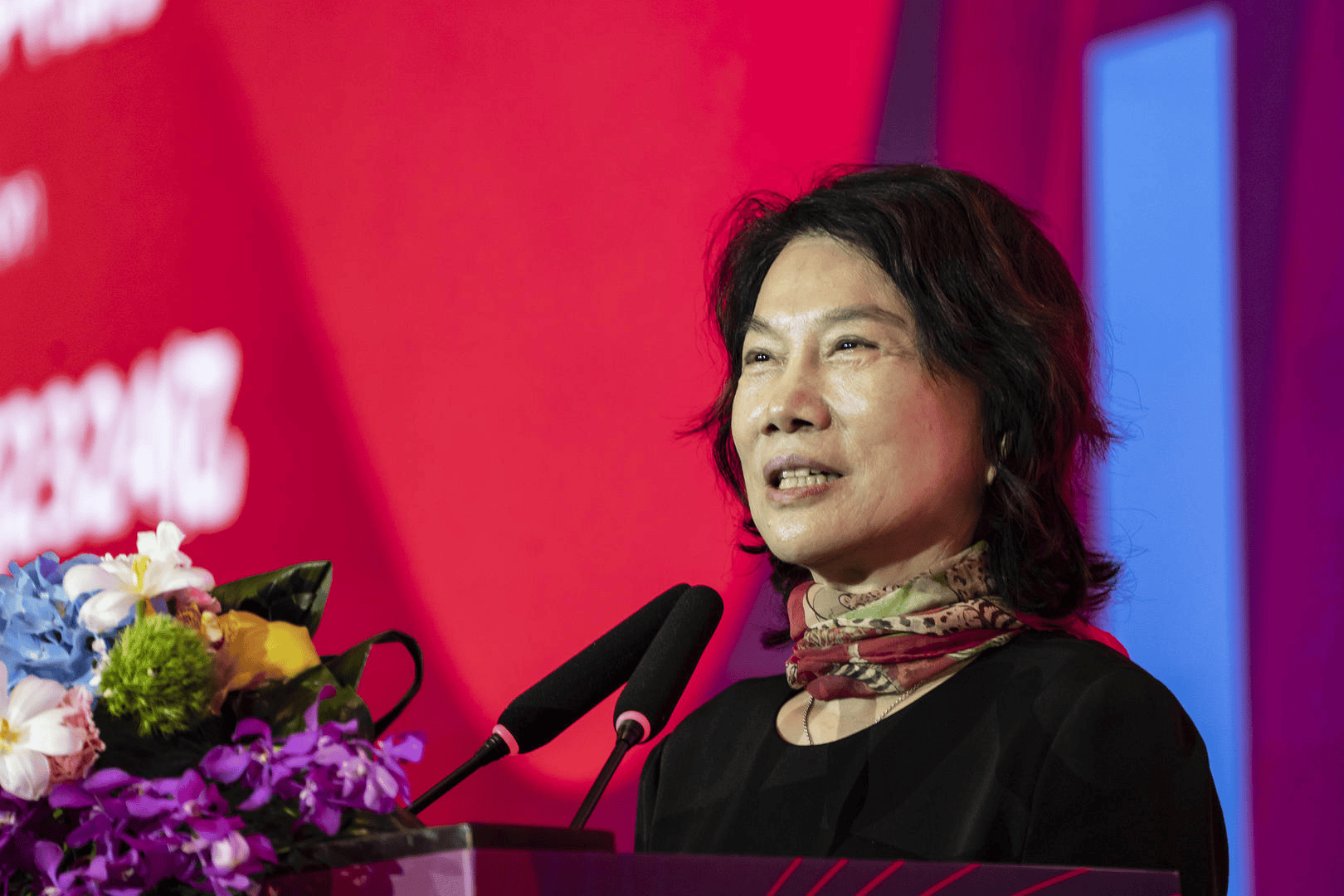
董明珠卸任!格力电子元器件公司换帅,方祥建接任
Sou Hu Cai Jing· 2026-01-26 14:49
2026年1月23日,珠海格力电子元器件有限公司发生工商变更,董明珠卸任法定代表人、执行董事职务,由方祥建接任并担任执行公司事务的董事。该公司 成立于2022年7月,注册资本1亿元,由格力电器全资控股,主营电子元器件制造、第三代半导体芯片(碳化硅方向)等业务。 此次变动是董明珠两年内第4次从格力系子公司核心职位退任。2025年6月,她已卸任格力芯片设计公司"珠海零边界"董事长;8月卸任"格力钛新能源"董 事。 方祥建为格力内部培养的技术派高管,2021年11月出任格力电器副总裁,深耕质量与生产运营领域超20年,契合电子元器件板块技术研发需求。 2025年4月格力电器董事会换届中,董明珠连任董事长但卸任总裁(由张伟接任),方祥建等多名年轻高管晋升副总裁。此次调整延续了"技术骨干接班"路 径,降低业务对个人标签的依赖。 董明珠此次卸任是格力制度化治理的关键一步,标志着芯片业务从"董明珠驱动"转向"专业化梯队驱动"。短期看有助于提升子板块执行力,长期则需验证年 轻管理层能否延续技术攻坚与市场化能力。 ...


国际观察|从互降关税到共建规则——中国-东盟经贸合作持续升级为区域经济注入动能和信心
Xin Hua Wang· 2025-10-28 04:13
Core Points - The signing of the upgraded version 3.0 of the China-ASEAN Free Trade Area agreement marks a significant enhancement in economic cooperation between China and ASEAN, providing new momentum and confidence for regional economic development [1][2] - The upgrade reflects a shift from tariff reduction to rule-building, indicating a deeper institutionalization of cooperation that encompasses various sectors including digital economy, green economy, and supply chain connectivity [2][3] Group 1: Economic Cooperation Upgrade - The China-ASEAN Free Trade Area has evolved from its initial versions focused on tariff reduction to a more comprehensive framework that includes nine new chapters addressing modern economic challenges [2][3] - The 3.0 version is seen as a milestone for promoting economic integration in the Asia-Pacific region, emphasizing the importance of rule-building over mere tariff reductions [2][3] Group 2: Focus on Digital and Green Development - The upgraded agreement includes provisions for digital and green economies, which are crucial for sustainable development and industrial transformation in the region [4][5] - Experts believe that the 3.0 version will facilitate deeper integration in digitalization and green transitions, enhancing cooperation across diverse sectors [4][5] Group 3: Response to Global Economic Challenges - The signing of the 3.0 version sends a strong signal of commitment to open cooperation and mutual benefit amidst rising trade protectionism and geopolitical tensions [5][6] - The agreement is expected to bolster regional economic resilience and provide a stabilizing effect against external shocks [5][6]