制贩同盟

Search documents
生意越做越穷?问题不在用户,聪明人押“供给侧”,不砸广告躺赚
Sou Hu Cai Jing· 2025-11-28 13:14
Core Insights - The current business environment has shifted from a growth phase to a contraction phase, making it increasingly difficult for companies to sustain growth [2][4] - Traditional methods of customer acquisition and retention are no longer effective, as evidenced by declining revenues and increasing closure rates in various sectors, including the restaurant industry [4][6] - Successful businesses are rethinking their entire value chain rather than just focusing on customer conversion rates [6][10] Industry Trends - The restaurant industry is experiencing a significant decline, with the number of restaurants in China projected to drop from 9 million to 7.7 million by 2024, and a 5.1% revenue decrease in Beijing [4] - E-commerce is facing rising costs for customer acquisition, indicating a need for businesses to adapt their strategies to maintain long-term growth [4][19] Business Models - Companies like Sam's Club and Costco have successfully implemented a membership model that filters out price-sensitive customers, allowing them to focus on high-value consumers and streamline their product offerings [8][10] - The domestic brand Zhihui has redefined the value of everyday products, such as tissue paper, by emphasizing quality and aesthetics, leading to significant sales growth [12] - Luckin Coffee has established a highly digitalized supply chain that allows it to maintain a competitive edge despite market challenges [14] Strategic Focus - Businesses are increasingly prioritizing customer loyalty and long-term value over short-term sales, as seen in the restaurant industry where operators focus on deepening relationships with existing customers [15][19] - Retailers like Pang Donglai are restructuring their supply chains to connect directly with manufacturers, enhancing transparency and customer decision-making [17] - The shift in e-commerce from focusing on gross merchandise volume (GMV) to customer lifetime value (LTV) reflects a broader trend towards sustainable business practices [19][21]


为什么近两年新的零售渠道越来越多?食品饮料企业该如何做选择
Sou Hu Cai Jing· 2025-05-30 05:03
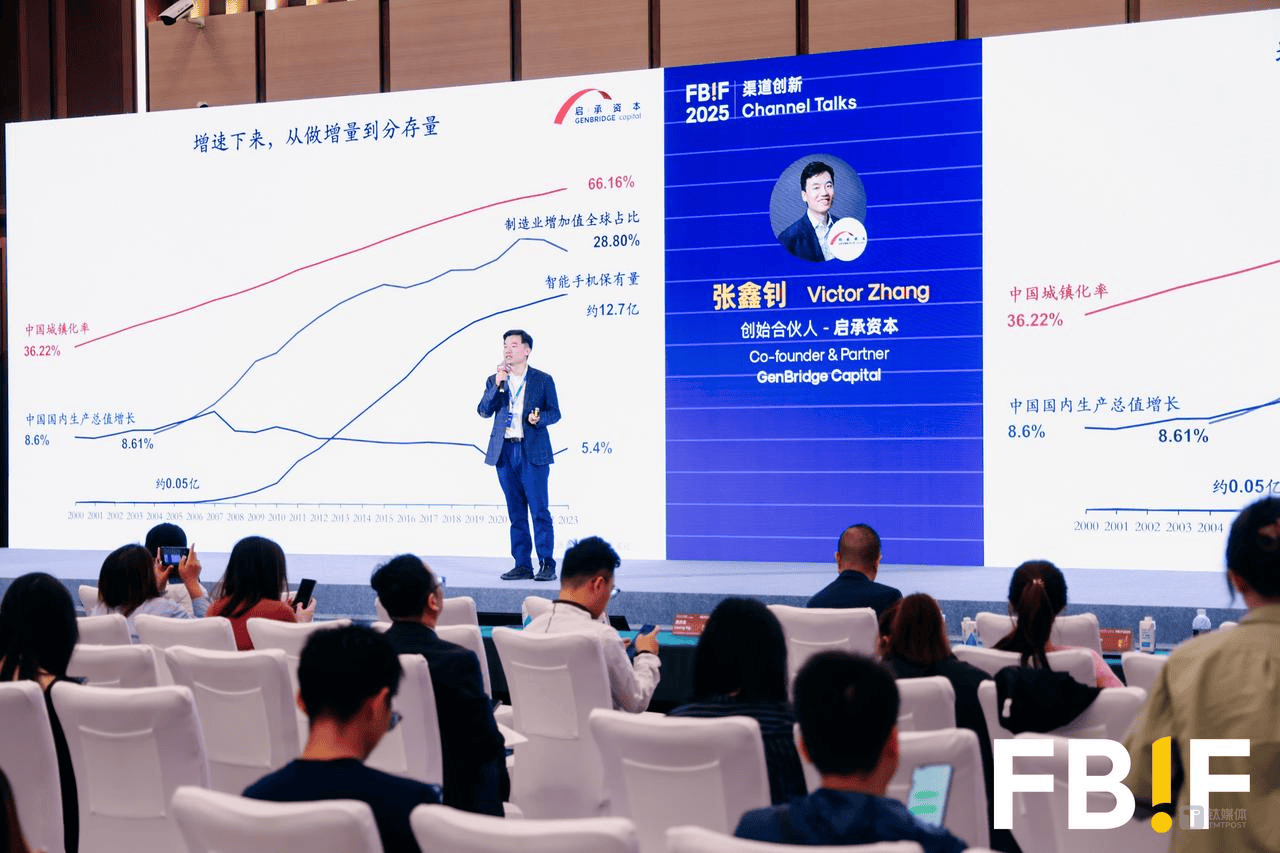
Group 1 - The core viewpoint is that the Chinese retail market is undergoing significant changes, with new channel forms emerging and consumer demands evolving, leading to a complex landscape for food and beverage brands [2][3] - The retail industry has shifted from an incremental growth phase to a stock phase, altering the value chain dynamics, where the market power has transitioned from sellers to buyers [3][4] - The emergence of new retail brands, such as Hema and Sam's Club, reflects innovation in response to consumer preferences, indicating a competitive landscape where category management becomes crucial [3][4] Group 2 - Category management, which focuses on understanding consumer needs, has been underutilized by retailers historically, but is now gaining importance as consumer power increases [4][6] - The relationship between different retail channels, such as convenience stores and discount stores, is complex, with some overlap in market segments but also distinct operational focuses [6][7] - A new collaborative relationship between retailers and brand manufacturers is necessary, emphasizing mutual benefits and shared insights to enhance category planning and consumer service [7]